Blogs
From Concept to Commissioning: Njord Containerized Filtration System
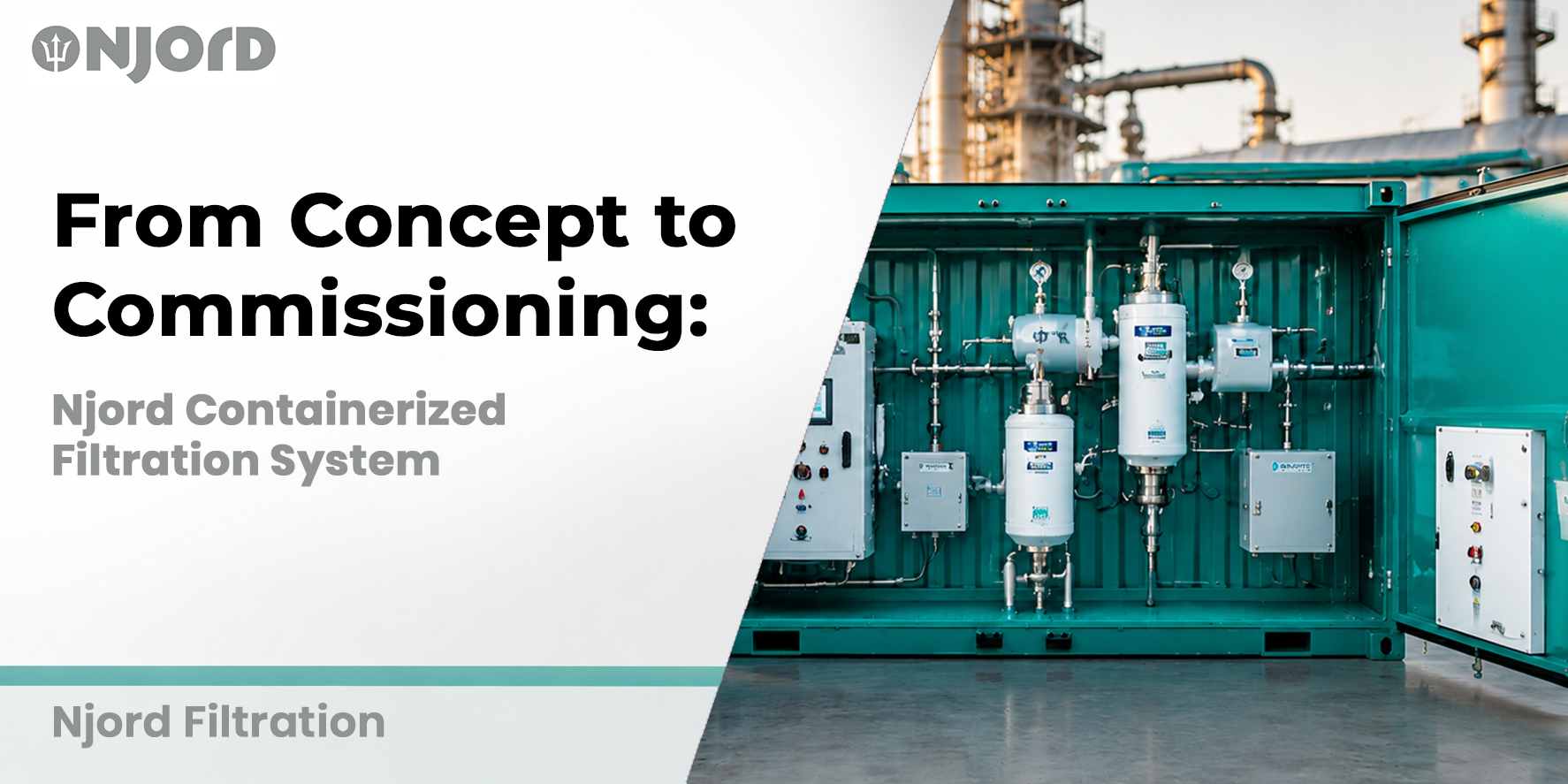
The fuel containerized system is a space where the fuel is stored and filtered for future use. In industries where fuel quality is crucial to performance, even minor contamination can create obstacles during operations. Njord Containerized Systems by Njord Filtration offers a smarter way, combining advanced filtration in a single containerized system to improve performance. From planning to the final steps, we have created a space where not only can fuel be stored, but the filtration process can also be performed smoothly, ensuring the engine system runs properly.
Table of contents:
- What is a containerized filtration system, and how is it different from traditional setups?
- What problems do these systems solve in fuel and fluid management?
- How do containerized systems reduce downtime and operational risks?
What is a containerized filtration system, and how is it different from traditional setups?
The need for clean fuel is one of the most crucial aspects of daily operations and of maintaining the engine system efficiently. Instead of building a complicated on-site filtration system, you can easily rely on the ready-to-use Njord Containerized Systems to filter and store fuel.
- A containerized filtration system is an integrated filtration system housed inside a shipping container, keeping the fuel away from contamination.
- This system includes filters, pipes, pumps and a control system to monitor and track system performance.
- It is movable and travel-friendly, along with an easy-to-install, user-friendly system that requires no complicated instructions.
- The system consists of an automation and monitoring system to track fuel performance and the filtration process.
It is different from the traditional fuel filtration system. In terms of installation, the traditional approach is pre-built components, while the containerized system is built on-site. The containerized system takes less time to deploy and is portable, allowing it to be deployed anywhere as needed. Also, this new system is scalable; hence, it can be converted into a fixed filtration system.
What problems do these systems solve in fuel management?
Multiple issues can arise during fuel management and affect end-user usability, including emergencies. Fuel contamination and poor-quality maintenance can reduce the effective performance of the engines and generators, preventing them from running smoothly. Our containerized system is designed to solve these problems more reliably and efficiently. Have a look.
- The first thing is fuel contamination. The containerized system removes unwanted contaminants such as dirt, wax, dust and water particles to provide cleaner fuel.
- It helps prevent engine breakdowns caused by contaminated fuel.
- It helps run the system smoothly without interruption by reducing stoppage gaps, thereby reducing downtime.
- The multi-stage filtration prevents external contaminant particles and keeps the fuel ready to use.
- Apart from the traditional system, it eliminates the complicated installation just to save time and makes it user-friendly.
- It takes up limited space, as all the components are housed in a single unit.
- Overall, it makes servicing easier and more effective.
The best part is that when you need fuel and harsh weather is preventing the transportation system from delivering on time, Njord Filtration's Njord containerized systems are the best choice.
See what to choose? Fuel polishing or tank cleaning?
How do containerized systems reduce downtime and operational risks?
The most problematic situation is the sudden breakdown of the engine or the backup generator. Once the system is stopped, the entire system is interrupted, leading to late project delivery. As a result, it has an overall impact on the business, as you can see. But not with the presence of our Njord containerized systems.
This system provides clean fuel to keep the operations running efficiently and properly. The best part is that it keeps the fuel cleaning process running continuously, even while the system is operating. The clean fuel keeps the internal parts free of damage and helps them work best. This system also detects early problems and monitors performance to track them for scalability. It reduces excess investment costs and downtime.
Conclusion
The Njord containerized systems offer a cleaner, more efficient solution that can save you time and money. On top of that, it will provide the highest-quality fuel to keep operations running smoothly. Contact us and let us know your requirement, and we will help you solve it.
FAQs
- Can this system be moved?
Yes, our containerized system is portable, and you can take it anywhere to manage fuel. - Do they need constant maintenance?
Maintenance is quicker and simpler compared to the traditional setup. - Can I use this in remote areas?
Yes, absolutely, you can use it, especially in remote areas, for fuel management. It will reduce the dependency on frequent fuel transportation.
Upgradable Fuel Systems: Investing Smart Without Overspending
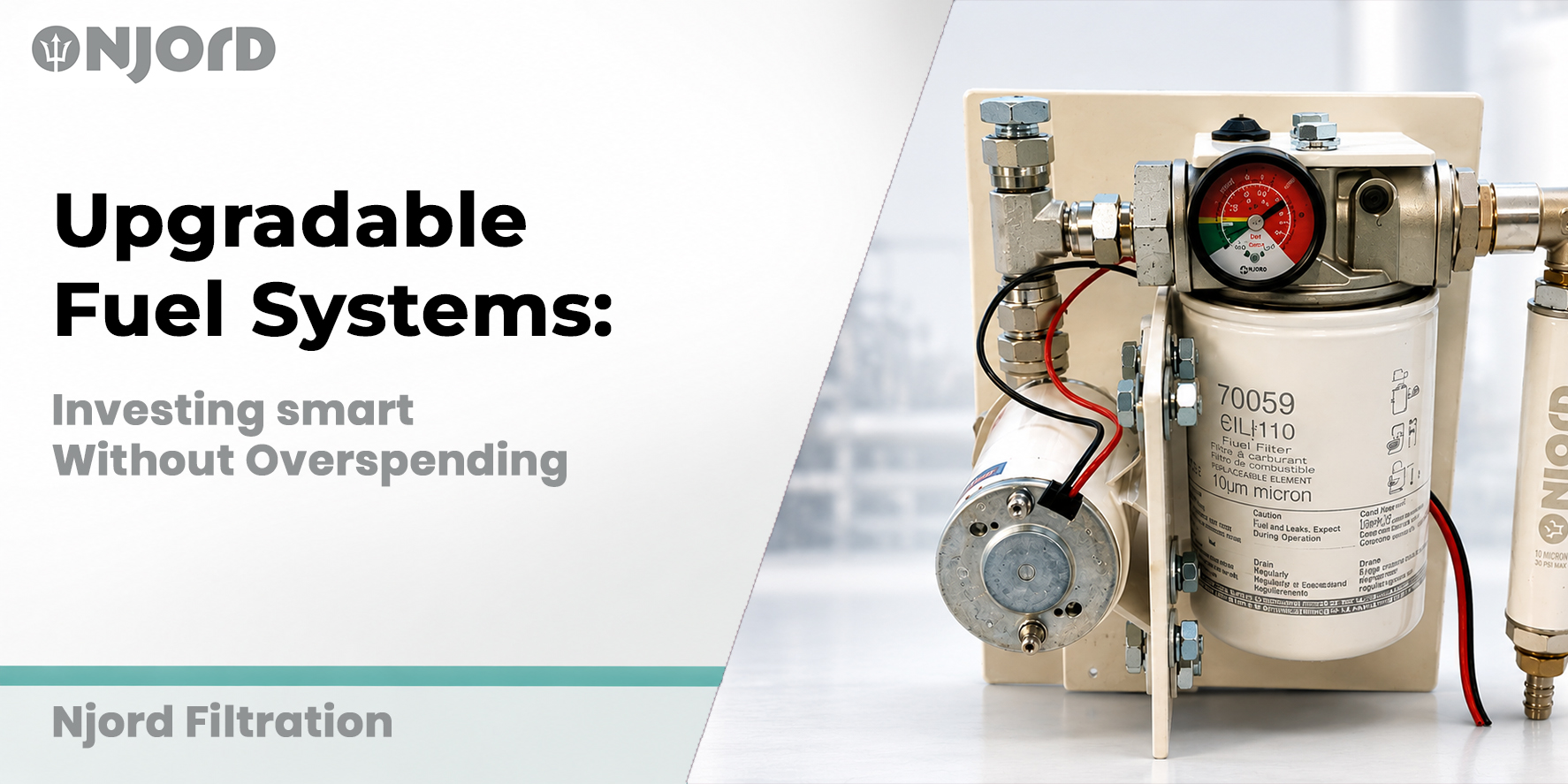
In the era of inflation, almost every business is looking for a smarter way to store and manage the fuel to run the daily operations efficiently. The fuel management system includes many other processes to keep the fuel clean and free of contamination, ensuring it is ready for use. Hence, the business has a portion of its expenditure on the fuel polishing system, which you cannot deny. But not every business requires a fixed setup for the fuel management system. The ultimate convertible polishing systems of the fuel by Njord Filtration are the ideal choice for them. In this blog, we will explain how a convertible fuel system enhances operational efficiency more cost-effectively.
Table of contents:
- What is a convertible fuel polishing system, and how does it work?
- What challenges arise with non-upgradable polishing systems?
- How do convertible systems address fuel contamination issues affordably?
What is a convertible fuel polishing system, and how does it work?
Businesses such as construction, marine and shipping companies, power generation, transportation and logistics companies, manufacturing industries, and many more are more inclined to use fuel, especially during an emergency. Not always does a fixed setup of a fuel management system help. To maintain the system effectively, the convertible polishing system is key.
- In a convertible polishing system, fuel circulation is the process of drawing fuel from the storage tank to maintain flow in the unit.
- This polishing system removes unwanted particles such as water, dust, wax, dirt and microbial growth to keep the fuel ready to use.
- In this system, the fuel passes through multiple steps to filter the fuel for the intended use.
- In the stages of filtration, there is a specific stage where the system removes fuel from water particles that can cause microbial growth.
- There are also additive and conditioning steps to keep the fuel clean and enhance its quality.
- The sensors, installed inside the system, monitor fuel filtration, including flow rate and system performance.
- It works as both a portable and a fixed fuel management system to maintain efficient, constant fuel flow.
As a result, Njord Filtration's convertible polishing system for fuel works for both remote and on-site fuel polishing, enabling uninterrupted daily operations.
See how you can extend the engine’s longevity with Njord Filtration?
What challenges arise with non-upgradable polishing systems?
The non-upgradable fuel polishing system may make you think it is affordable, but the after-effect can increase your expenses. Businesses that lack an upgradable fuel polishing system face multiple challenges. Without the proper system, the business starts to face inefficiencies, high long-term costs, and low performance. When a business changes its requirements, then the system needs to be replaced accordingly. When your fuel polishing system fails, you need to make a decision, but it comes at a higher cost.
A limited or fixed fuel polishing system cannot adapt to changes in requirements, such as increased fuel volume. The older system lacks maintenance quality and fails to perform effectively. Hence, overall downtime increases, as do other operations. When the system fails to provide clean fuel, it also damages other internal parts in the generators. During an emergency, inefficient internal components can cause sudden engine failure and disrupt operations. The convertible polishing system from Njord Filtration is the ultimate solution for businesses looking to increase productivity without obstacles.
How do convertible systems address fuel contamination issues affordably?
The convertible fuel polishing system is a specific approach to treating contaminated fuel without incurring additional investment. This system combines the mobility and fuel polishing stages, providing clean fuel and real-time performance monitoring and tracking. When we talk about affordability, it means reducing your excess maintenance costs, frequent repairing costs and engine replacement as well.
If you know the importance of fuel polishing, you should know how quickly and affordably you can avail yourself of it to ensure uninterrupted operations without delay. The multi-stage filtration process ensures clean fuel is transferred, so other internal parts stay damage-free. The lesser the damage, the lesser the maintenance cost will be. So, switch to our convertible polishing system for cleaner fuel from Njord Filtration.
Conclusion
To maintain a smooth business flow without worrying much about maintenance and repair costs, you can opt for the best fuel polishing solution to keep the engines ready for any emergency. Connect with us to learn about the features of our convertible polishing system.
FAQs
- Why choose the convertible fuel system?
Our convertible polishing system is flexible, allowing you to upgrade from portable to fixed without any hassle. - Is the system affordable?
Yes, it is lower in cost because it reduces the risk of spillage and wastage and prevents the need for an entire system replacement. - What businesses can use this polishing system?
Businesses like: marine and transport, power generation, construction sites, especially remote sites, can take the best advantage of it.
All You Need to Know About Portable Fuel Polishing by Njord Filtration
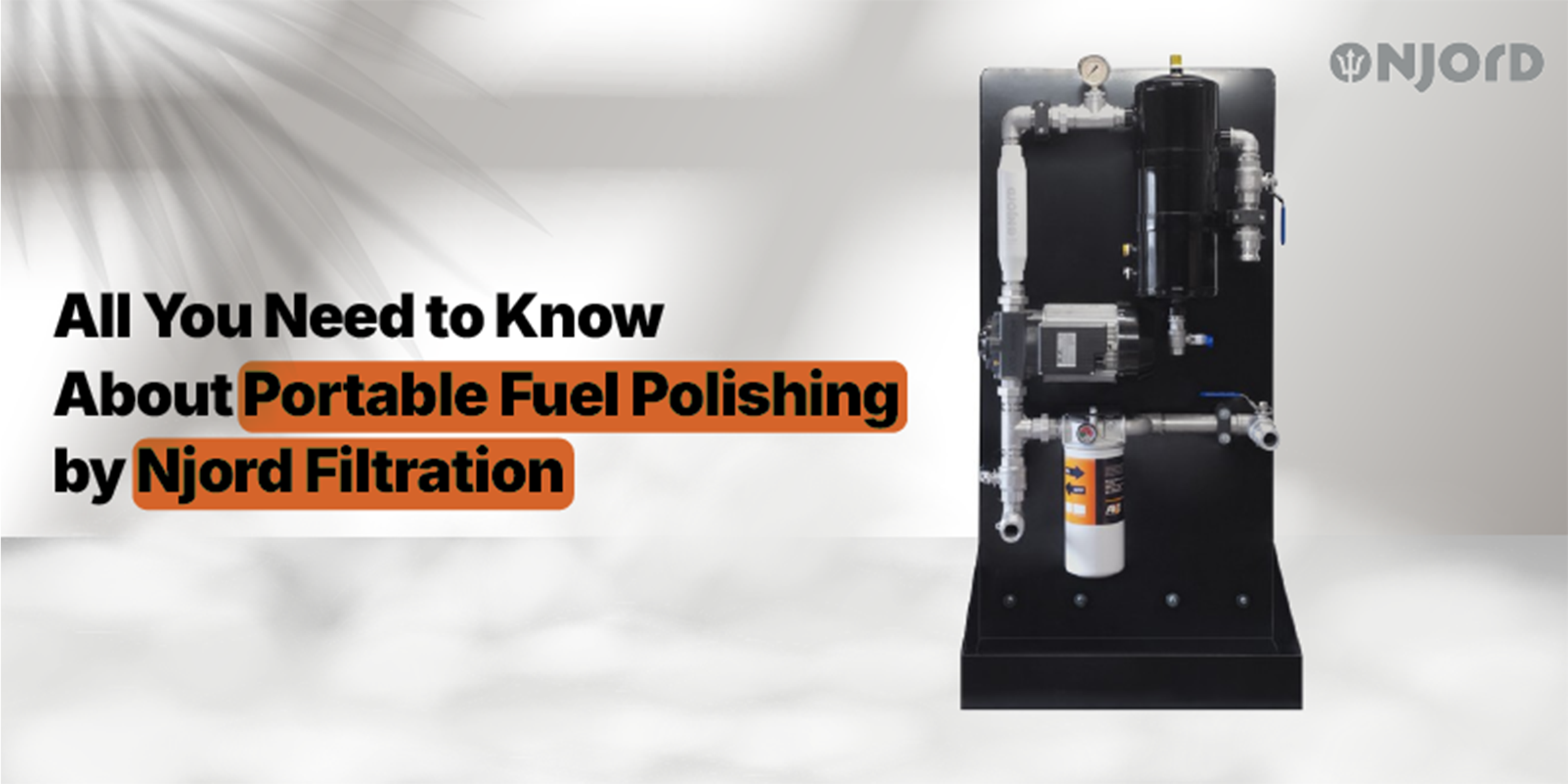
Fuel polishing has become crucial for cleaning fuel and keeping it usable, whether for emergencies or for normal use. Fuel polishing involves deep-cleaning the fuel to remove impurities such as dirt, sludge, water, wax, and sediment. In short, the contaminated diesel fuel has been cleaned and is ready for use. There are different types of fuel polishing systems, and the portable is among them. The portable fuel polishing system is mainly used across different locations because it is mobile, and its polishing structure remains the same. Hence, this you can carry this portable system can anywhere to use Njord Filtration's fuel polishing services. In this blog, we will explore the uses and benefits of this fuel polishing system.
What is portable fuel polishing?
Before we start on the portable one, you should first know about fuel polishing. There is a difference between fuel polishing and filtration. Filtration is the basic cleanup of the fuel, while polishing cleans the fuel inside and out; in this process, it removes various tiny contaminants, leaving pure fuel. This polishing system offers a variety of options, including a portable option. It provides fuel polishing services at multiple locations because it is portable and you can be move it between locations.
- The portable fuel polishing system uses portable machines to clean the fuel from the fuel tank.
- It removes dirt, wax, sediment, sludge, water particles, and other impurities from the fuel.
- The polishing system is portable and you can carry it anywhere as needed.
- This portable fuel polishing system is ideal for data centers, construction sites, and remote locations.
- It deep-cleans the fuel, making it clean and ready to use in any situation.
- Clean fuel keeps the generator, power backup engines, and other internal parts protected and running efficiently.
Hence, using a portable fuel polishing system from Njord filtration is the best option to ensure high-quality polished fuel, so you do not have to worry about complications.
What are the key components of a portable fuel polishing?
A portable fuel polishing system includes multiple components that provide deep cleaning for the fuel. Lets have a look at the parts and what they do.
- The pump: To clean the fuel, a specific pump is required to move it from the tank to the system.
- The pre-filter, or coarse filter, is the first, or basic, filter that removes larger particles, such as debris, dirt, and metal particles.
- The fine filter or the micro filter: In the micro filter, it removes the tiniest contaminant particles, making the fuel cleaner, and it moves to the next level, the water separator.
- Water separator- Inside the water separator, there’s separation of the water particles that can cause the growth of microbes or fungi. Water particles can damage internal components; therefore, removing them is very important.
- The portable fuel polishing system uses hoses and pipes to carry fuel into and out of the system.
- The control panel is the center of the system, monitoring and operating it until the process runs.
- The flow meter helps determine the fuel flow rate during cleaning.
Lastly, the whole system comes in a frame or trolley that helps carry it from one place to another.
How does portable fuel polishing reduce maintenance costs?
Whether it is a portable or fixed fuel polishing system, the ultimate goal is to provide clean, polished fuel to keep engines and generators running efficiently without breakdowns. The first thing is that it provides clean fuel, which the engine pumps, and the fuel flows to the other parts to ensure the whole system runs smoothly. While unpolished fuel can hamper the system's smooth operation, contaminant particles can clog filters, leading to increased fuel consumption and a process that will not stop until the injectors jam and the entire system shuts down. As you can see, contaminated fuel can cause serious damage, requiring either repair or replacement of internal components, sometimes the entire engine. The portable fuel polishing unit is mobile and works best when needed. Thus, the polished fuel will not only increase the engine's efficiency but also extend the machines' longevity and prevent excessive maintenance or repair costs.
How does portable fuel polishing help reduce generator failure?
People primarily use generators to keep a power backup during emergencies. Working locations such as construction sites, marine sites, and data centres are among thcenterscritical for power backup generators to keep operations running without interruption. And the role of the polished fuel comes here. A generator runs on diesel, and, through the portable fuel polishing system, the stored diesel becomes contaminant-free, helping the generator operate without failure. The smooth flow of fuel through the injectors and pipelines is working properly, and the generator continues to provide backup without any further issues. Also, clean fuel supports proper combustion, keeping engines healthy for years and preventing generator failure.
Clean fuel at any time and anywhere
When you can get clean fuel, you need it, then you must go for the portable fuel polishing system by Njord Filtration, and keep a backup to work in any emergency. Avail this service to reduce maintenance costs and achieve better results.
Keep your generator running without a breakdown with a portable fuel polishing system. Get in touch with us and let the generators increase their efficiency over time.
FAQs
- Can a data center use the portable fuel polishing system?
Yes, the data centers can certainly use the portable fuel polishing system for better, instant results. - What is the main use of this portable system?
The main purpose of the portable system is to provide deep fuel cleaning to keep the generators functional. - Is this system difficult to use?
No, this portable system is user-friendly and easy to use, but if experts handle it, the process will be much more efficient.
Fuel Management System: Remote Construction and Infrastructure Projects
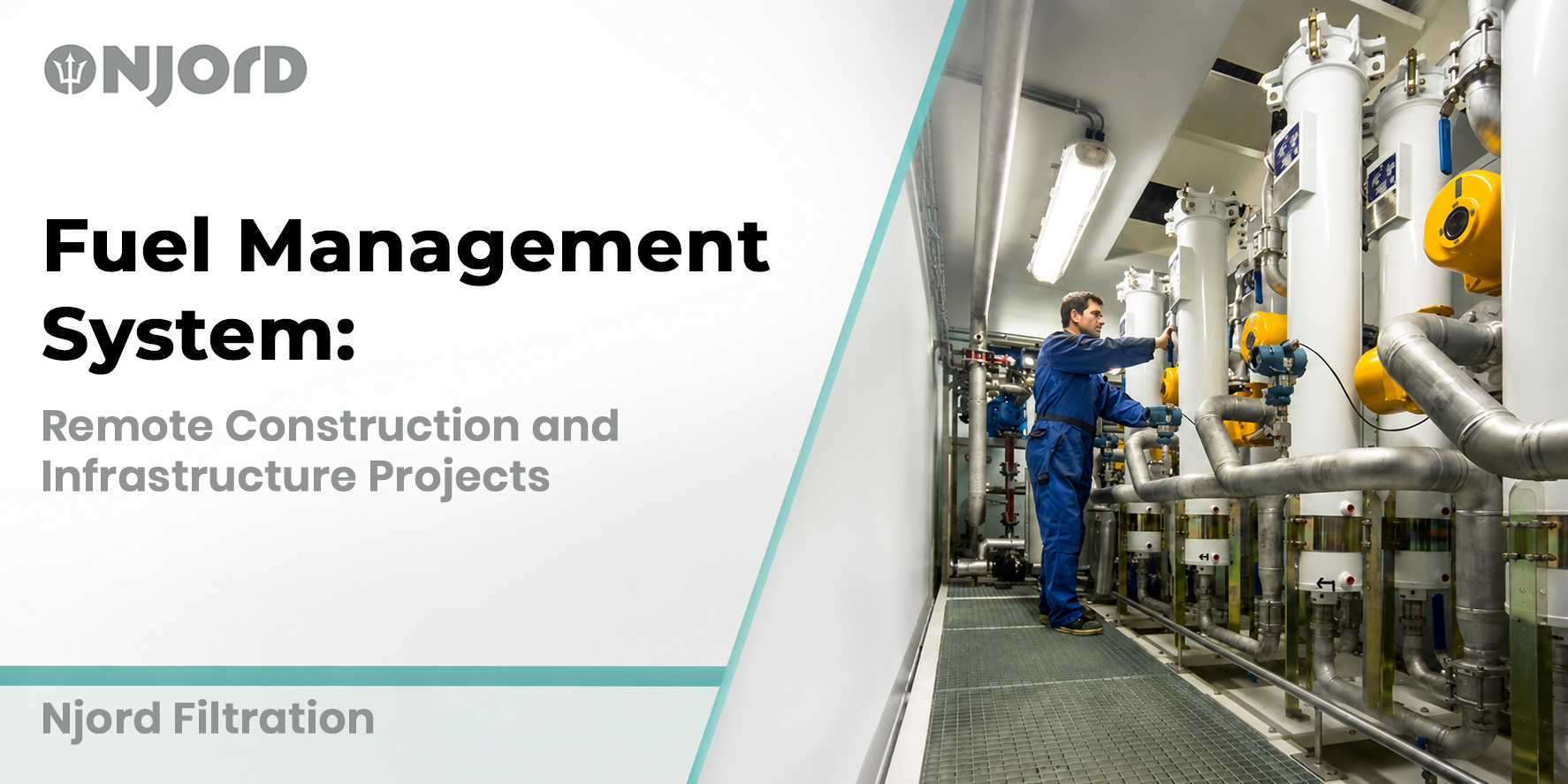
Fuel is the ultimate support of remote constructions and infrastructure projects. To support daily operations, the need for power machinery and backup generators is the most crucial consideration. However, managing the fuel system to keep the construction process running smoothly is necessary. But challenges such as difficult logistics, a lack of monitoring and contamination risk arise in fuel storage. This is why we have come up with the Njord containerized system for fuel storage by Njord Filtration, which provides a smart, all-in-one solution that integrates storage, filtration, dispensing and tracking within the portable unit. This system is designed to stand harsh conditions, keeping the fuel supply flowing smoothly and hassle-free by reducing downtime.
Table of contents:
- What are the biggest fuel management challenges faced in remote infrastructure projects?
- How do containerized fuel systems improve operational efficiency on remote project sites?
- How do containerized fuel systems enhance safety standards in construction zones?
What are the biggest fuel management challenges faced in remote infrastructure projects?
Managing fuel, especially at remote construction sites during major infrastructure projects, is difficult. Environmental calamities can disrupt logistics and delay on-time fuel delivery, and an improper fuel management system can create unwanted delays at work and in project delivery. Let's see what challenges a remote construction site faces during the construction process in terms of fuel storage.
- The first and most important concern is the transportation of the fuel. What if the remote place is difficult to reach and takes longer to get to? Hence, not only will the fuel supply be difficult, but expenses will also be high and delivery time-consuming.
- The next challenge is improper fuel storage management. Due to inadequate maintenance of the fuel storage, the risk of contamination with water, dust and other unwanted particles is high.
- Overall, transportation is very time-consuming; hence, the process gets interrupted, sometimes impacting project delivery as well.
- Due to the lack of good fuel, which means the contaminated one, the emergency generators can face problems, leading to system failure.
- The unsafe storage of fuel can cause serious accidents and environmental hazards.
- Inadequate fuel storage can lead to waste or spillage, reducing the fuel supply.
As you can see, proper fuel storage is important and affects fuel consumption during construction hours. Avail the Njord containerized system from Njord Filtration and experience fuel storage differently.
See how you can keep your backup power ready with Njord Filtration?
How do containerized fuel systems improve operational efficiency on remote project sites?
The Njord containerized system for fuel storage is the ultimate solution for remote construction sites. By controlling fuel consumption, storage and safety, this system can also bring balance to remote construction and other infrastructure projects.
- The first thing it does is ensure that fuel availability meets demand for external and emergency needs without causing delays.
- The preassembled plug-and-play units are easy to install, and the whole process is quick and straightforward, saving time.
- When the containerized system ensures fuel safety without compromising quality by eliminating unwanted contamination, the machinery and emergency generators operate without interruption.
- As the fuel stays contamination-free, the internal parts of the generators and other systems stay intact and healthy, enabling the construction process to run smoothly without damaging them.
- The best part is that it tracks real-time fuel usage and detects leaks and thefts to ensure accountability.
- Optimizing logistics by reducing delivery frequency, which sometimes takes time and money, is also time-consuming. It saves time and money. Ensure your projects are delivered on time without increasing infrastructure charges.
There are many advantages to Njord Filtration's fuel containerized system. It not only saves time and money but also enhances the sense of a secure working process, especially in remote construction sites.
How do containerized fuel systems enhance safety standards in construction zones?
The containerized fuel is always easy and safe to use. A construction site, especially in remote areas, is more difficult to work on. In any emergency, the use of generators is obvious. Now, imagine there is an emergency requiring the generator to start, but after a while, it stops working. Now think about the scenario and its consequences.
The Njord containerized system of fuel storage is much more convenient to use because it ensures fuel safety by detecting leaks, if any. Hence, you can stay prepared in the event of an unfortunate incident. It alerts you before any hazard. It obviously ensures safety and monitors fuel usage in real time. The container keeps the fuel free from external contamination, and hence the filtered fuel helps the generator run smoothly without interruption.
Conclusion
In remote construction and infrastructure projects, maintaining proper fuel management to continue daily operations efficiently is difficult. The Njord containerized system, with safer, more reliable fuel storage and proper monitoring, reduces the risk of waste and hazards. Contact us and get the solution to escalate your business.
FAQs
- What is a containerized system of fuel management?
Our containerized fuel management system is a portable unit that stores the fuel to keep it free from external contamination and provides dispensing and monitoring of the enclosed system. - Why is it beneficial for remote sites?
Yes, because it provides fuel for on-site construction and reduces the constant need for frequent fuel deliveries. - Can containerized fuel systems operate in harsh environments?
Yes, our fuel containerized system is designed to operate efficiently in harsh environmental conditions, ensuring your daily operations run smoothly.
Keeping the Data Centers' Generators Efficient - Explained
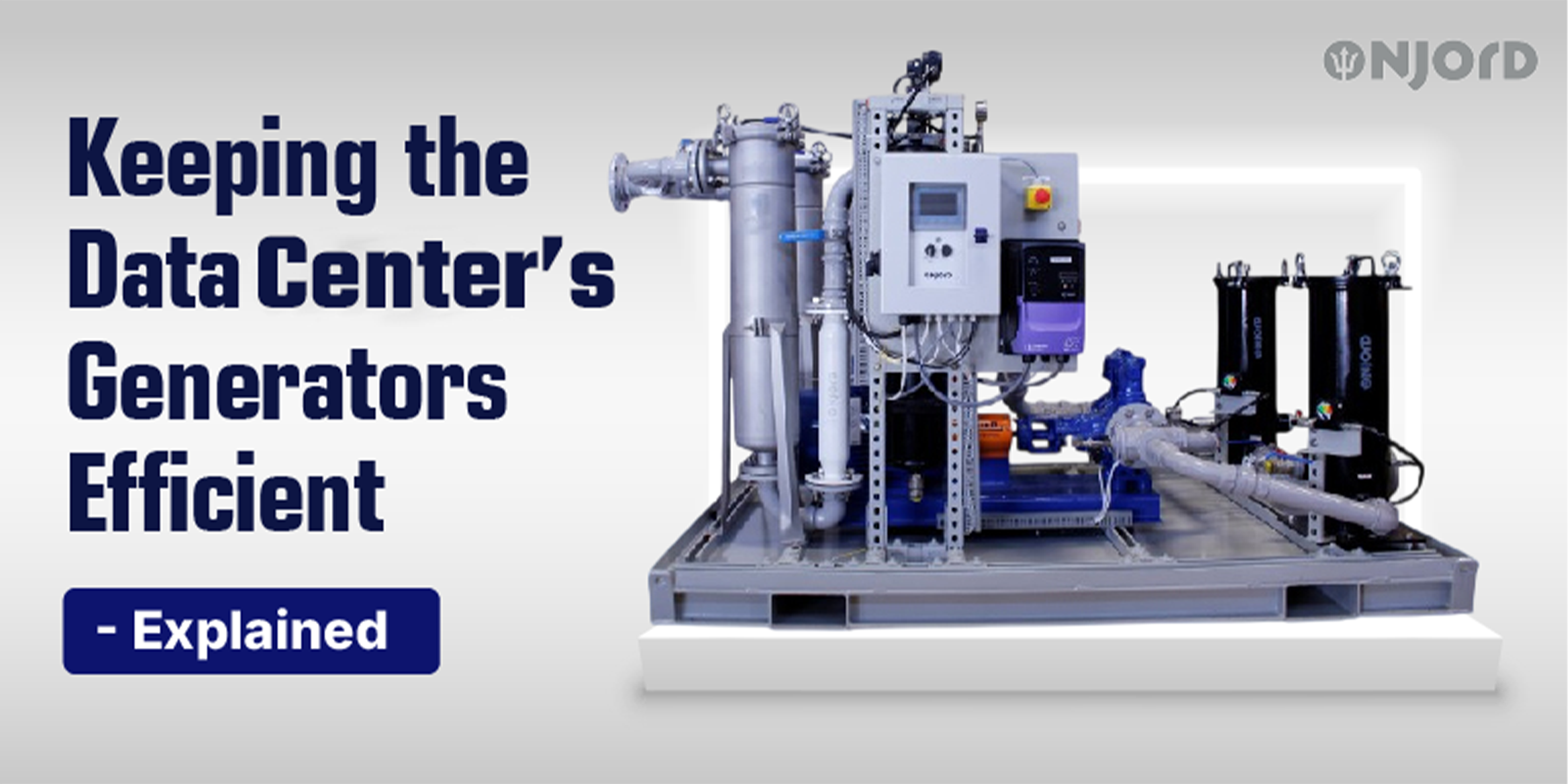
A data Center is a place where data is stored and managed. The servers in data Centers keep data safe and protected to prevent misuse. Data from data Centers is useful for websites, digital platforms, applications, online services, and more. But the point is to keep them safe under the protected canopy so they can provide continuous support as needed.
These data are primarily for business purposes, such as storing important information. Hence, data storage systems require continuous support from the power backup generators. Servers, storage systems, and networking devices require continuous support to keep the data they store safe and usable. Njord Filtration's role in fuel polishing in data Centers is another crucial factor here.
What is a data Center, and how does it work?
Before we jump into the role, you need to understand what a data Center is. Now, what is a data Center? A data Center is a specialised facility that stores and provides data to multiple users for different purposes. Computer systems and networking equipment process a large amount of digital data. Now you can understand how important the data can be. A single malfunction can have a fierce impact on safety. Especially in the era of AI, every piece of data is insecure and critical to manage. One leak can destroy a lot of things.
Now, the question is: how is fuel polishing used in a data Center? Equipment such as diesel generators, backup power systems, fuel storage tanks, fuel polishing systems, and fire pumps is connected, and the only goal is to provide continuous power backup to keep the system running smoothly without interruption. Why fuel polishing in a data Center is crucial.
Is fuel polishing necessary for the data Center?
The answer will be yes. Fuel polishing in the data Center is the most important factor to ensure continuous support from the power backup generators. Some data can go missing, or a sudden power cut can disrupt the system. Hence, continuous power generation is a must here. The equipment responsible for this is as follows.
- Diesel generators, or DG sets, provide backup power when the electricity supply fails. Hence, keeping the DG sets in proper condition, fuel polishing is required.
- The backup power system is the larger system that provides the same power during outages.
- When it comes to fuel, storage is a must to keep it for future use. Hence, the fuel polishing becomes a must here.
- The fuel transfer pumps transfer fuel to the generators to keep them running efficiently.
- The entire fuel polishing system, including the requirement, is also included here.
- The fire pumps, which are diesel-driven, are the most important equipment to consider in any fire-related emergency.
Now you know where and how to use the fuel, and why fuel polishing by Njord Filtration is mandatory here.
How does fuel polishing work in a large data Center?
In this section, we will explain how the fuel polishing works in the data Centers. The data Centers contain numerous computer systems and networking devices, and we discussed their importance in the previous section. Let's now dig into the topic of fuel polishing in data Centers by Njord Filtration.
- The equipment inside the diesel tank is diesel-powered, and the diesel is drawn from the main fuel tank to clean it. Because only clean and contaminant-free fuel will be safe to use, otherwise it can clog the filters, and the whole system can shut down if the generator doesn't work properly.
- To keep everything in the flow, the fuel will now pass through the filters, which remove dirt, rust, and sludge particles.
- The next phase is water separation, which is very important; water particles can promote microbial growth in fuel pipes and tanks, potentially damaging internal components.
- After water separation, the clean fuel will be returned to the tank for storage until final use or in an emergency.
Lastly, this polished fuel is clean and will increase the generators' efficiency, providing power backup for the data Center systems.
How to choose the right fuel polishing system for your data Center?
Choosing the right fuel polishing for a data Center involves several considerations. Firstly, the tank size and fuel flow are important. Large data Centers need a high-GPM (gallons per minute) system to clean the fuel more quickly. The flow rate matters depending on the size of the data Center. The next thing to look for is multi-stage filters that can remove even the smallest particles, and the water separator is a must; without it, the system gets disrupted. Also, look for a polishing system, either fixed or mobile.
Large data Centers mostly prefer the fixed fuel polishing system, so they do not have to worry about whether it is due. And the mobile one is optimal for data Centers located across multiple sites. Look for safety compliance as well, and, last but not least, the quality of the clean fuel is the top priority. That is why you should utilise Njord Filtration's fuel polishing in a data Center to achieve optimal results.
With us, all the data is safe.
The importance of the data Center is well known, including the requirement for fuel polishing. Hence, cleaning the contaminated fuel is the ultimate help we can do for them. We provide high-quality fuel polishing with a relatable GPM for data Centers of any size.
Choosing the right fuel polishing system can help you maintain your entire power backup system for longer. Contact us and create the canopy of protection.
FAQs
- What is fuel polishing in data Centers?
It is a deep-cleaning process that removes impurities, ensuring backup generators run smoothly. - How often should the fuel polishing be done?
Fuel polishing depends on the size of the data Center and the number of power backup systems. But regular monitoring can help you understand when the fuel polishing is needed. - Can fuel polishing improve generator life?
Yes, it extends the lifespan of the generators because clean fuel removes any hurdles.