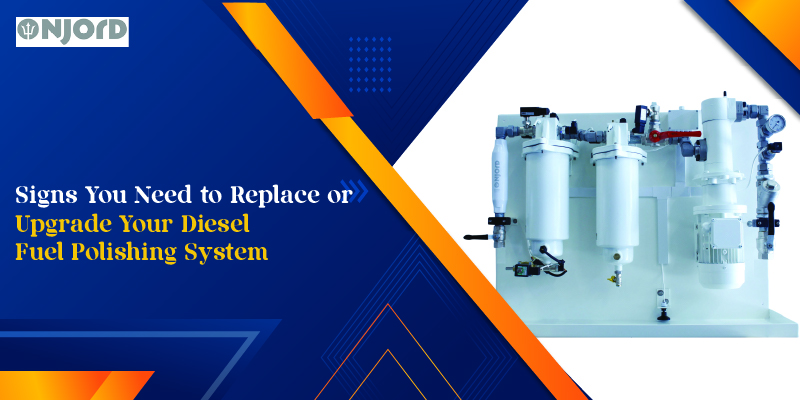
Now, when you rely on something too much, there comes a point where you know your journey with it has come to an end, and you need to move on to the next version of it. A diesel fuel polishing system is one of those. With a strong presence in major industries worldwide, if a polishing system fails, it can also fail to perform. While this is acceptable to some extent in residential sectors, machinery downtime in commercial industries can be costly for companies. In the healthcare industry, ignoring the polishing system can cost lives and, in some cases, result in even greater consequences.
Why is the Diesel Fuel Polishing System Important?
Now, as you may already know, diesel fuel polishing is the removal of water, sludge, and microbial growth from stored diesel. However, due to various circumstances, diesel fuel starts to degrade over time, and if left untreated, it forms layers of sludge, becoming a breeding ground for bacteria. Now, there is no doubt that when this contaminated fuel is fed into your diesel generator, it will cause engine damage, breakdowns, and costly repairs.
A diesel fuel polisher, on the other hand, is designed to circulate and clean stored diesel, ensuring it stays within safe operating parameters. In simple words, you can say that this system is a maintenance tool for your generator's fuel.
(Also read from our previous blogs: How Does Fuel Polishing Matter for Hospital Backup Power Reliability? )
When to Replace or Upgrade Your Diesel Fuel Polishing System?
If you notice the following signs in the diesel fuel polishing systems , you may want to replace or upgrade them:
- Recurring Microbial Growth
We mentioned earlier that diesel fuel attracts microorganisms when the water is contaminated. If you notice slimy black or green deposits forming in the tank, your fuel polishing system is not breaking the contamination cycle. - Frequent Filter Blockages
If your generator's filters are clogging more often than usual, your polishing system isn't removing enough contaminants. In most cases, this is with old or underperforming fuel polishers that can't handle heavy sludge or microbial growth. - Water Keeps Coming Back
A sound diesel fuel polishing system should separate and remove water. In many cases, water enters fuel tanks through condensation, leaks, or poor-quality diesel deliveries. So if you notice water keeps coming back despite polishing, you might want to check out Njord Filtration's advanced fuel polishing systems . - Visible Signs of Bad Fuel
Thankfully, you can see the visible signs of bad fuel. All you need to do is check for darkened, cloudy, or layered diesel; that's a strong warning sign. If you also see sludge at the bottom of the tank, you need to consider changing your polishing system; a sound system should prevent this from occurring. But if your fuel still looks contaminated, the system can't polish it to the required standard. - Rising Maintenance Costs
Are you constantly replacing filters, servicing your generator frequently, or repairing damage caused by contaminated fuel? Then you should talk to an expert and upgrade your machine, especially if it's a diesel generator fuel polishing system . - Unexpected Generator Failures
Your generator may not deliver its intended services. But if it fails a few times, it's time to replace the fuel polishing system because standby generators are supposed to provide backup power during emergencies. But if it fails to start when you need it most, contaminated fuel could be the culprit, caused by an outdated fuel polisher. - Excessive Smoke or Misfiring During Generator Operation
Finally, if your generator is emitting black smoke, struggling to start, or misfiring, it could be due to contaminated diesel slipping past your fuel polishing system. Because, as you already know, poor-quality fuel leads to incomplete combustion. So, don't waste time and replace or upgrade the fuel polishing system with the help of an expert.
Bottom Line
Every diesel fuel polishing system promises you its top-notch services. However, it is natural for them to eventually break down due to multiple different reasons, including overworking. While it is pretty common in these systems to stop working efficiently after long decades of usage, that does not mean you will ignore the signs and not upgrade or replace them with Njord Filtration fuel polishing systems.
Have queries? Speak to our experts. Click here to contact us.