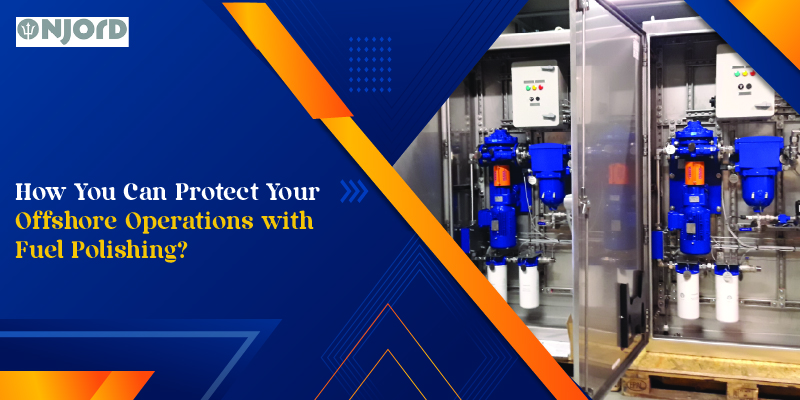
While managing an offshore operation, you have to make sure that equipment reliability doesn't become your only goal, rather it needs to be your top requirement for safety and profitability. The heart of any platform, rig, or support vessel is its power supply which depends entirely on the quality of its diesel fuel.
However, the stored fuel in a marine atmosphere is always under threat from contamination. This is why an offshore fuel polishing system is quite an important piece of equipment which can actively protect your assets and make sure that your power supply remains clean and dependable. In this guide we will go about offshore fuel polishing systems and why you need them.
Why is Stored Offshore Fuel So Vulnerable?
The marine climate is harsh, and the main enemy of clean fuel. The high humidity and continuous temperature fluctuations between day and night along with salty air create the perfect conditions for water to condense inside your large fuel storage tanks. This water settles at the bottom of your fuel tanks and becomes the breeding ground for a host of problems which can have serious consequences for your machinery and even the entire operation.
Once water is present in your fuel, it just starts a damaging chain reaction. The water promotes the growth of bacteria and fungi which is commonly known as the diesel bug. This feeds on the fuel and creates a thick corrosive sludge which can quickly clog your filters and fuel lines. At the very same time, the water can cause the inside of your steel tanks to rust and corrode while introducing a steady stream of tiny metal particles into your fuel supply.
What Problems Does Contaminated Fuel Cause Offshore?
When you let the contaminated fuel reach your engines, then it can lead to a series of escalating problems that can put your assets and even crew at risk. Here's what it can become responsible for:
Sudden Generator Failure
This is the most dangerous risk you can face when the sludge and solid particles from the tanks get pulled into the fuel lines. They can completely clog your main fuel filters and starve your engine of fuel, which can cause a sudden and total shutdown of your main generators or propulsion systems. This will lead to a critical loss of power in the middle of the sea, and you wouldn't know what hit you.
Increased Water on Engine Components
Even if you do not experience a complete failure, running on contaminated fuel can cause long-term damage. The tiny and hard particles can act like liquid sandpaper, which can be the reason for excessive wear and tear on expensive engine parts like your fuel pumps and injectors. This damage can lead to very costly repairs and a much shorter operational life for your engines, which is another loss you will have to deal with.
(Also Read: How Offshore Fuel Polishing Ensures Reliable Emergency System Performance )
Higher Maintenance Costs and Downtime
If your crew is always having to replace the clogged fuel filters, then you are definitely dealing with the symptom and not the very cause. This can lead to huge amounts of unscheduled maintenance work and operational downtime. So, every hour that gets spent on this reactive maintenance is almost an hour of lost productivity and profitability for your operations.
Inaccurate Fuel Tank Readings
The thick sludge and sediment that build up at the bottom of your storage tanks can interfere with your fuel gauges. This can give you an inaccurate reading of your available fuel reserves. With an incorrect fuel reading, you get a major safety issue on hand when you are operating far from the shore.
How Does a Fuel Polishing System Protect Your Operations?
With a fuel polishing system, you can have a proactive solution that will keep your fuel clean at all times. It can work as a dedicated kidney loop for your fuel tanks if you want. Here's what it does:
- Circulate and Clean Fuel: The system works by creating a continuous cleaning cycle when you install it. It pulls fuel from the very bottom of your storage tank, where the water and sludge accumulate, and then passes it through a series of advanced filters only to return clean and dry fuel to the top of the tank.
- Removes Water, Sludge, and Particles: The system has a multi-stage filtration process to remove every type of marine fuel contamination. It uses a separator to remove water, then passes the fuel through filters to capture the sludge that is created by the diesel bugs, and then finally removes solid particles like rust and dirt down to a very fine level.
- Prevents Contamination Build Up: As it continuously circulates and cleans the fuel, the system never allows water and sludge to ever settle and collect at the bottom of the tank. This ongoing process of diesel fuel maintenance for offshore rigs keeps your entire fuel supply in the right condition for use.
Moving Forward
Being in the offshore environment means that you cannot afford to take risks with your only power supply. You need to understand that clean fuel is critical for your safety and even operational requirements, which is why an offshore fuel polishing system is the right step that you can take. It is the best way to make sure that your engines are reliable while reducing your maintenance costs and preventing your engine from failing at sea. You can explore our website to find the right offshore polishing system for your needs.
Contact us at +31-13-7640706 to talk to our experts and discuss the right fuel polishing solution for your offshore assets.