Blogs
Portable Fuel Polishing System Vs. A Fixed System: Which Is Better?
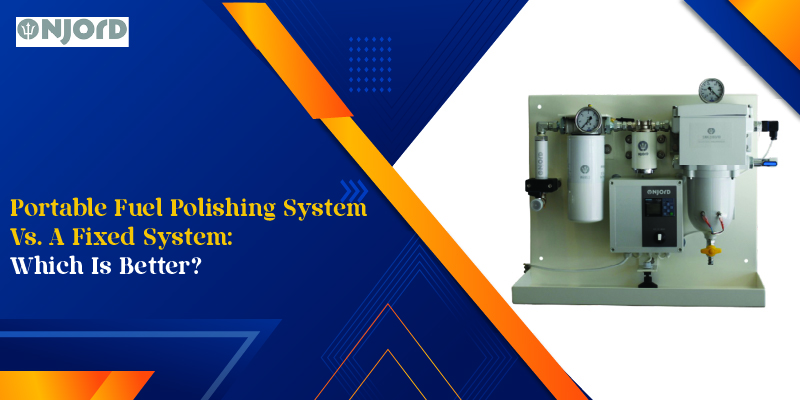
If you've ever opened a fuel tank after a few months and thought, "That does not look good," you're not alone. As fuel sits longer, and as biodiesel blends become more common, contamination is popping up in places it never used to. In 2025, a large number of operators discovered that their generators weren't failing due to engine issues — it was simply bad fuel.
That's why high-quality portable fuel polishing systems have become such a go-to solution. Instead of installing a fixed system on every tank, you can deploy a portable unit wherever the trouble is. It's quick, it's practical, and it gives you control.
Let's break down exactly why these systems have become so popular.
What are the main advantages of using a portable fuel polishing system compared to a fixed system?
Fuel problems have a way of sneaking up on you. You fill your diesel tanks, check your engines, and think everything is fine. Weeks pass, and suddenly, water has crept in, microbes have started growing, and sludge has settled at the bottom. Before long, engines misfire, generators underperform, or equipment even stops working entirely.
In 2025, offshore and remote operators learned a hard truth: most engine issues weren't mechanical. There were fuel problems. Dirty fuel costs time, money, and peace of mind. Portable fuel polishing systems are the practical, reliable answer. They let you clean fuel where it sits, whenever you need it , without stopping operations or investing in expensive fixed systems.
Owning a portable system isn't just convenient—it's confidence, control, and reassurance all in one.
Also read- A Look Inside: The Parts of an Offshore Fuel Polishing System
How Portable Fuel Polishing Systems Handle Large Volumes on Offshore Vessels or Remote Sites?
Many people hear "portable" and think "small," but today's portable polishing systems are surprisingly capable. Offshore crews especially love them because they can handle a lot more than you'd expect.
- Strong, Practical Flow Rates
Most modern units push 40–300 L/min, which is plenty to cycle through large tanks at a steady pace. It might take time, but it gets the job done — and does so effectively.
- One System Can Serve Several Tanks
On a vessel or offshore platform, tanks are usually scattered everywhere. Instead of installing a fixed system for each one, crews just do the following:
- Bring the portable skid over and hook it up
- Polish the tank
- Move it to the next location.
It's simple and efficient, especially when space and budget are tight.
- Designed for Harsh Environments
These systems are built for real-world conditions:
- Skid-mounted
- Crane- and forklift-ready
- Weather-resistant
- Rugged enough for offshore or remote operations
They're tough because they have to be.
- Batch Polishing Works Well Offshore
Offshore tanks often store fuel for long periods. A portable unit can perform a "deep clean" every few months — that's usually all you need. No constant running, no constant monitoring.
Common Limitations of Portable Fuel Polishing Systems
Portable systems are incredibly useful, but not perfect. Here's what operators should know:
Not Continuous
- After polishing, fuel can slowly degrade again.
- Not ideal for fuel that turns over daily
Manual Setup Required
- Someone needs to connect hoses
- Someone needs to supervise the system
- Takes more hands-on time compared to fixed systems
Large Tanks Can Take a While
- Very big tanks need longer run times.
- Fixed systems tend to clean faster because they run nonstop.
Less Automation
- Fewer alarms, fewer sensors
- Usually no remote connectivity or automated reporting
Fuel Can Drift Out of Spec Between Polishing Sessions
Stored fuel changes over time — condensation, microbes, and sludge can return if not checked occasionally.
Portable systems are best for periodic maintenance, not "set-it-and-forget-it" fuel management.
Can Portable Systems Be Used for Emergency Fuel Cleaning Without Disrupting Operations?
Yes — and this is where portable systems really shine.
When something unexpected happens — contaminated fuel delivery, high humidity, storms, sludge at the bottom of the tank — operators need a fast solution. Portable polishing systems give you that.
They allow you to:
- Clean fuel without shutting down operations
- Polish fuel right before emergency generators are needed
- Respond quickly to contamination
- Avoid ripping apart your infrastructure or waiting for specialists.
Think of a portable polishing system as an essential toolbox item. When fuel quality becomes a problem, you have the solution right there.
How Portable Fuel Polishing Systems Manage Water Separation and Microbial Contamination?
Water and microbial contamination are the two biggest enemies of stored diesel. Portable systems are built specifically to handle both.
Removing Water
- Coalescing technology pulls out both free and emulsified water
- Water collects in a bowl for easy drainage
- Prevents corrosion and injector damage
Filtering Out Sludge and Debris
- First-stage filters remove heavy particles
- Fine filters (1–5 microns) catch smaller contaminants
- Ensures fuel meets modern engine cleanliness needs
Breaking Down Microbial Growth
- Continuous recirculation disturbs biofilms
- Filters capture the microbial buildup
- Works even better if biocides are added afterwards
Fuel Conditioning for Long-Term Stability
- Helps stabilize fuel that's been stored too long
- Useful for biodiesel blends that separate over time
By the end of the process, the fuel isn't just "better" — it's actually usable again.
The bottom line
Portable fuel polishing systems are simple to use, easily movable, and capable of recovering fuel that would otherwise be wasted. Whether you're offshore, running remote operations, or managing multiple sites, they give you the freedom to handle contamination quickly and confidently.
They may not replace fixed systems in all situations, but for many operators, a portable polishing unit is exactly what they need to stay ready.
If you want a reliable portable fuel polishing system , check out the options available at Njord Filtration , for clean, dependable fuel whenever you need!
FAQs
- Can I polish my fuel without shutting down my generators?
Yes! You can clean fuel while everything keeps running. No downtime needed. - How often should I clean fuel in my tanks?
It depends on storage and use. You can check every few weeks or months to keep fuel safe. - Will a portable fuel polishing system work on large tanks offshore or in remote sites?
Yes, the fuel polishing systems are built tough and handle large volumes efficiently.
Can Diesel Fuel Polishing Help Your Engines Running Smoothly?
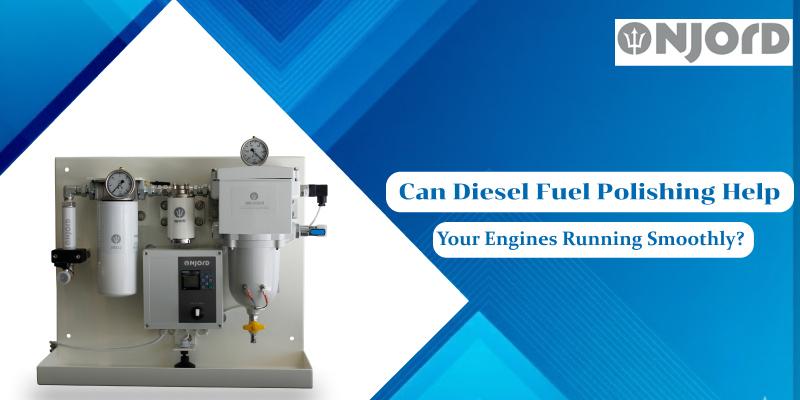
Diesel sitting in a tank for months? It’s not just chilling—it’s slowly turning into a science experiment. Water sneaks in, sludge forms and tiny microbes decide your tank is a home. And none of that is visible at first. You just think the diesel’s fine, until one day your generator won’t start, your filter’s clogged, or your machinery is coughing and sputtering like it just ran a marathon.
That’s why diesel fuel polishing is a big deal. Think of it as giving your diesel a clean-up, so your engines run smoother, last longer, and don’t leave you stranded when you need them most.
What Is Diesel Fuel Polishing?
Over time, the diesel in fuel tanks separates. The solids sink, water floats, and weird little things grow in there. Fuel polishing is basically filtering it and reblending it so it’s perfectly blended again. It’s not just about visible gunk—polishing removes tiny particles, moisture, and microbes you can’t see. Once that fuel is polished, it’s back in your tank, ready to power your machines.
Here’s the thing—dirty diesel doesn’t just make engines grumpy. It costs you money, time, and headaches. Now, why do you care?
- Engines hate water and sludge: Corrosion, blocked filters, broken pumps… no one wants that.
- Clean fuel lasts longer: You won’t be dumping money into replacing fuel every few months.
- It’s reliable: Polished diesel means your generator starts on demand, especially when everything else is failing.
- It saves money: Prevention beats repair any day.
Basically, fuel polishing is a small effort now, and a huge payoff later.
Also read- Warning Signs That Your Emergency System Fuel Needs Polishing.
How Does Diesel Fuel Polishing Work?
Here’s the step-by-step, without sounding like a tech manual:
- Pull it out or keep it moving: either the fuel is removed from the tank or continuously recirculated.
- Big contaminants come out first: Water and chunky particles get filtered.
- Tiny stuff goes next: The almost invisible contaminants are removed.
- No more water: Any remaining moisture is gone—no moldy stuff
- Optional essentials for fuel: Stabilizers can be added to keep it fresh longer.
- Back in the tank: Clean, stable, and ready to roll.
Modern polishing systems are precise—they catch things so small you’d need a microscope. And your engines? They’ll thank you.
When to Polish Your Diesel?
Don’t wait until the diesel looks gross. Here’s when you should:
- After sitting a while: Months in storage? Time for water, sludge, and microbes to be removed
- Before you really need it: Generators, machinery—clean fuel means no surprises.
- If it’s looking funky: Sludge, discoloration, or clogged filters, know it’s polish time.
- Regular maintenance: A little now prevents a lot later.
What contaminants does fuel polishing remove?
- Water: Both visible and hidden in the engine tanks
- Solid particles: Dust, rust, dirt
- Sludge: The gunk that forms over time.
- Microbes: Tiny bacteria and fungi that love diesel as much as your tank.
Can Fuel Polishing Extend Generator Life?
Dirty diesel isn’t just “less clean”—it quietly stresses your generator. Water, sludge, and tiny particles can clog filters, wear down injectors, and make the engine work harder than it should. Fuel polishing removes all of that. The generator runs cleaner and more efficiently. When your diesel is clean and polished, here’s what you get over time: fewer repairs, less unexpected downtime — and a generator that stays strong and dependable when you really need it. Fuel polishing isn’t just about “clean fuel,” it’s about protecting your investment and keeping your generator ready to go.
Clean fuel does more than burn — it helps your engine live longer. Here’s how:
- Filters, pumps, and injectors don’t get clogged or battered by sludge or water.
- Helps engines run efficiently. Clean diesel burns better and reduces strain on parts.
- Reduces emergency breakdowns, less downtime, so you won’t be affected when power is needed most.
- No worries about degrading fuel or costly early replacement — saving you money and headaches.
Fuel polishing is giving your generator a little regular care. In the long run — that care pays off. Your generator stays dependable, your fuel stays clean, and you worry much less about last‑minute failures.
The Bottom Line
Diesel fuel polishing isn’t optional. It’s like feeding your car good food instead of junk. Left alone, diesel collects water, sludge, and microbes that quietly wreck engines. Polishing fixes that, keeps fuel stable, and makes sure your machines work when you really need them.
So if you’ve got diesel-powered generators, machines, or boats, don’t wait for a problem. Keep it clean. Keep it ready. And check out diesel fuel polishing systems from Njord Filtration—we make it easy to keep your engines running smoothly, reliably, and stress-free.
FAQs
- How often should I polish my diesel fuel?
If it sits for months, polish before use. For regular equipment, keeping fuel clean every few months keeps engines happy. - Will polishing really make a difference for my engines?
Yes! Even a small amount of water or sludge can clog filters and wear parts. Fuel polishing removes it, for the engines to be smooth and reliable. - Can I polish diesel fuel myself, or do I need any equipment?
You could, but it’s tricky. A polishing system makes it fast, easy, and thorough—like using a vacuum instead of a broom.
Warning Signs That Your Emergency System Fuel Needs Polishing
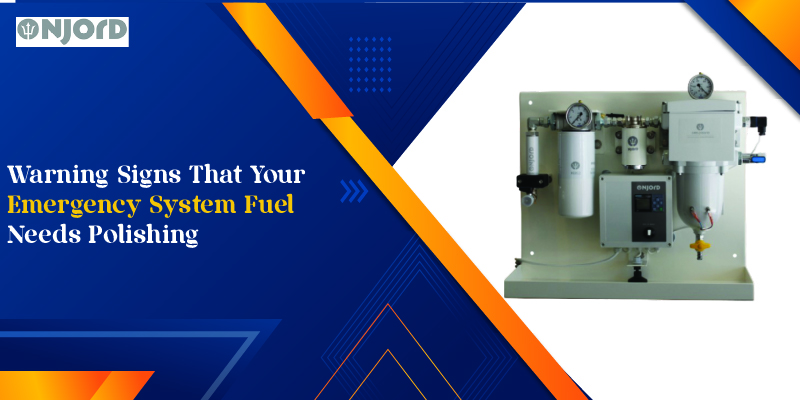
If you have an emergency generator—maybe at home or your workplace—you're counting on it to kick in the moment the power goes out. But here's the thing most people don't really think about: the fuel inside your generator? It can get old and nasty just like something left out too long.
When that happens, your generator might not start, or it could run all weird and sputtery. And that's the last thing you want when the lights go off, right? That's why there's something called fuel polishing for emergency systems. It's about giving your fuel a thorough clean so your generator is ready to go, no matter what.
So how do you know when your fuel is begging for this change? Here are some major signs.
What's Fuel Polishing & Signs to Watch For
Think about it like this: your fuel tank is like a fish tank. If you don't clean it, dirt, grime, and even some microbes start to grow and muck things up. The same thing happens in your fuel tank. Fuel polishing is like removing all the gunk, filtering your fuel, and making it nice and clean again. Fresh fuel means your generator won't throw a fit when you need it.
Here's how you know your fuel needs change-
- Your generator won't start, or it's struggling to start.
- When it finally starts, it runs rough and sputters.
- You see weird smoke coming out of the exhaust.
- The fuel smells bad, like plain old stale gas.
- You look at the fuel and notice it's cloudy or there's water sitting in the tank.
If you notice any of these, it's a red flag that your fuel needs polishing ASAP. Dirty fuel isn't just annoying; it can actually mess up your generator big time. All that sludge and sediment can clog your filters, stress your engine, and make things break down faster. And that can get expensive real quick—especially when you're counting on that generator in an emergency.
Why Fuel Polishing Is A Solution?
- Removes dirty water and microbes that contaminate your fuel.
- Keep your generator running smoothly without interruption.
- Helps your engine last longer and work better.
- Expect no surprise breakdowns and repair bills.
- Relax knowing your power's ready when you need it.
The Bottom Line
Your emergency generator is your lifeline when the power fails—and clean, polished fuel is what keeps that strong. Watch for these signs and make fuel polishing for emergency systems a regular thing. It'll save you headaches and keep your generator ready when it really counts.
If you are looking for a solution, reach out to Njord Filtration. We offer the most trusted fuel filtration system for your generator–ensuring it is ready to run whenever you need it.
How to Filter Diesel Fuel Effectively: A Complete Guide to Diesel Filtration Systems?

Starting from powering ships to trucks, heavy machines, and generators, there is no question about how these engines bring a significant impact on society. But, do you know what could be their biggest challenge? Working through the dirty oil. Yes, one of the essential yet hidden challenges is the dirty fuel inside these machines, which technically provides the power needed for the engines to work adequately. Because even the tiniest bit of dirt and debris can contaminate the fuel, forcing it to lose its potential, causing frequent breakdowns. This is where the fuel filtration comes in.
In this guide, we will walk you through the steps of fuel filtration with Njord Filtration systems and everything else you must be aware of when it comes to filtering the diesel fuel effectively.
Understanding more about the diesel contamination
Now, first of all, let's define what we mean by diesel contamination. Simply put, it means that when other sources pollute clean fuel. Amongst which are:
- Water
There's no question that diesel tanks develop condensation. However, this condensation generates a significant amount of water, which promotes microbial growth and corrosion within the system, ultimately degrading the fuel and compromising its integrity. - Microbes
Microbes or Diesel Bug is a mix of bacteria and fungi that thrive in the interface between water and diesel fuel. They produce sludge and acids that damage fuel systems, weakening the system's power.
(Also recommend reading: How to Use Fuel Conditioner to Prevent Microbial Growth in Tanks )
- Dirt and Dust
Dirt and dust, or simply the tiny particles from storage tanks or transfer equipment, can get into the fuel and contaminate it. - Oxidation and Sludge
Over time, if the fuel is not filtered, the diesel will degrade, forming sticky deposits that clog filters and lines. This can degrade the fuel to its worst state.
Identify Your Filtration Needs
Now, you need to know what your diesel engine needs. So, start by asking yourself a few basic but important questions, and let the following explain:
- What equipment are you using?
The answer is the machine you are using, whether it's trucks, marine vessels, standby generators, or other heavy machinery. - How much diesel do you consume?
Now, depending on the quality, you can decide. For example, if you consume diesel in large quantities, you will need a heavy fuel filtration system. - Where do you store the fuel?
This is an important question, considering that the way you store your fuel plays a significant role in maintaining the quality of the fuel. So, check if you store it in on-site tanks, mobile containers, or marine vessels. - Is the climate extreme?
Just like storage, environmental factors also play a significant role in determining the quality of the fuel. So, if you are in a cold climate, you will need a fuel filtration system with wax-management systems. - How critical is the uptime?
In large industries such as the healthcare sector, mining zones, and shipping points, clean fuel is essential for efficient operation, with no room for negotiation.
All these will help you set up a diesel filtration system that can be basic, automated, and advanced.
Selecting the right diesel filtration system
Choosing the right fuel filtration system is essential! Always look for these features when you're about to invest in a filtration system:
- Multi-stage filtration that removes water and other solid particles.
- If you have modern engines, check the micron rating; the smaller the number, the finer the filter, suitable for advanced machines with micron ratings below 10 microns.
- Corrosion-resistant and suitable for all industrial applications.
- Quick filter replacement, so you save time and reduce downtime.
- The system can handle your fuel demand, whether less or more.
Some of the standard diesel filtration systems your system should have:
- Primary fuel filters are installed between the engine and tank to catch larger dirt particles from the fuel.
- Secondary filters that refine the filter diesel fuel and make it finer before the fuel goes to the injectors.
- A diesel polishing system that continuously cleans the fuel so it can run longer.
Not sure where you made your first purchase of a fuel filter system? We, with thousands of industries, trust Njord Filtration for their super-advanced diesel fuel systems, perfect for every sector!
Bottom Line
Investing in a filter diesel fuel system can be expensive, but that is just for one time. When you do so, you need to study and learn more about the machines your industry uses. This will help you to effectively filter the diesel without worrying about offloading under any circumstances. For more expert advice, we suggest consulting Njord Filtration.
Manual Checks to Smart Sensors: The Future of Fuel System Maintenance
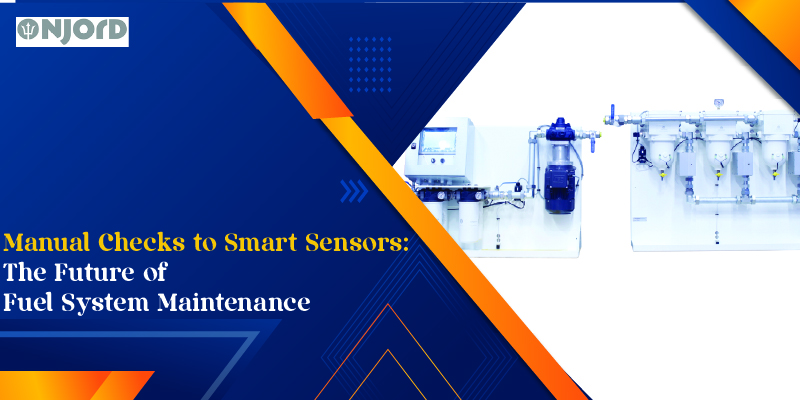
Whether it's powering backup generators in hospitals or keeping ships crossing oceans, fuel is the lifeblood of many industries. But one thing most people overlook is that fuel is only as good as the system that maintains it. Over time, contaminants such as water, microbial growth, and sediment can damage fuel, leading to costly breakdowns and failures. Previously, operators relied on manual checks and routine inspections to maintain clean fuel and ensure the systems ran smoothly. While this old method worked in the past, today's world demands more reliability, efficiency and automation. And that's where the future of fuel maintenance systems comes in. This is moving towards smart sensors, IoT, and real-time monitoring, allowing operators to save time and achieve better results.
In this blog, we will discuss how the industries benefited when they switched from manual checks to smart sensors and how Njord Filtration has played a significant role in changing the game for industries that rely on fuel maintenance. So, keep reading to learn more about it with the expert.
But first, let us break down the journey of fuel maintenance.
The Evolution of Fuel Maintenance
The basic fuel filtration system was introduced in the early 1900s; However, between 1950 and 1960, when diesel engines gained popularity in primary industries, an advanced filtration system was needed that could also separate water and other harmful contaminants from the fuel.
Considering its long destination, let the following breakdown the journey of fuel maintenance:
-
Manual Inspections and Reactive Maintenance
In the early days, as we mentioned, operators would physically inspect tanks and fuel filters, using dipsticks or visual inspection. But here, the maintenance was reactive, meaning the issues were only addressed after they occurred. Although the process was simple, this resulted in unplanned downtime and high repair costs.
-
Scheduled Preventive Maintenance
As fuel systems became more complex, larger industries began to adopt scheduled maintenance, where filters were changed on a set timeline rather than based on condition. This reduced failures, but it was not always efficient as filters were changed too early or contamination was missed between inspections.
-
Modern Fuel Polishing & Testing
Nowadays, almost every big and small organisation uses fuel polishing, which circulates and filters stored fuel to remove water and contaminants. In this case, regular fuel testing helps ensure compliance with and maintain quality standards.
(Also read from our previous blogs: How are Fuel Polishing Systems Important for Oil and Gas High-Risk Operations?)
Traditional Methods vs. Modern Digital Monitoring
So, which is the better choice between a traditional method and a modern digital fuel maintenance system? Let the following explain:
- The Traditional Manual Method
- Reliability
Reliability varied, and fuel quality was inconsistent due to manual visual checks, manual sampling, and scheduled filter changes. - Accuracy
Task completion depended on operator skill and timing. - Costs
Budgeting was higher due to reactive repairs and premature filter changes. - Downtime
The most significant disadvantage was downtime, as failures weren’t always detected early. - Data collection
There was minimal data, no tracking or analysis that could guide the operator for future use.
- Modern Digital Monitoring
- Monitoring
Modern fuel maintenance systems utilise continuous monitoring with IoT sensors to provide a constant view of fuel quality. - Real-time data
Some of the benefits are real-time, highly accurate data on contaminants, water content and stability. - Cost-effective
Predictive maintenance and optimised filter cycles mean you save a lot of money that would otherwise be wasted. - Reduced Downtime
Modern systems minimise downtime by detecting and addressing issues before they lead to failures. - Detailed data
These systems can generate detailed logs, reports and trend analysis to help you make better decisions. - Reliable
And, finally, they offer consistent and reliable fuel quality, especially in critical environments.
How Njord Filtration fits into the future of Fuel Maintenance Systems?
Njord Filtration always looks forward to the evolution of fuel maintenance systems that will be ten times more advanced than it is today. We focus on going beyond alerts with our AI-driven analytics, as well as ensuring that they offer automated corrective actions that not only detect issues but also provide corrective responses, such as automatically activating polishing units. Thanks to which. Industries can now adapt to smart monitoring and receive the best results.
Bottom Line
Fuel is an easy resource, but maintaining it can be hectic. With Njord Filtration, you get advanced fuel maintenance systems that are efficient, reliable, cost-saving, and promise sustainability. Because in 2025, just polishing the systems isn't the only answer; a more innovative, energy management system plays a greater role.
Have queries? Get in touch with us today !