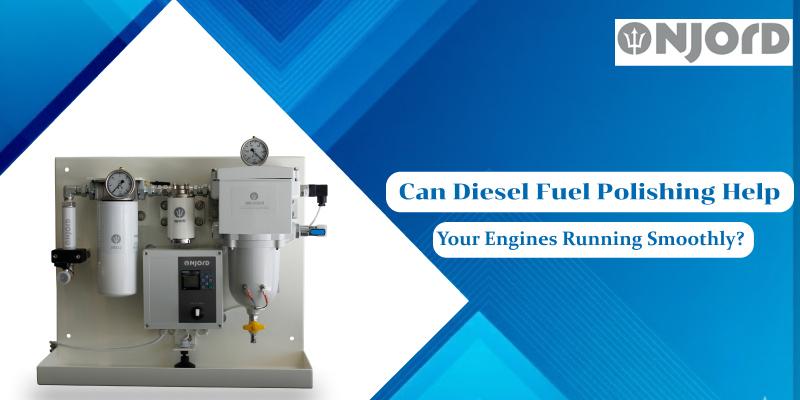
Diesel sitting in a tank for months? It’s not just chilling—it’s slowly turning into a science experiment. Water sneaks in, sludge forms and tiny microbes decide your tank is a home. And none of that is visible at first. You just think the diesel’s fine, until one day your generator won’t start, your filter’s clogged, or your machinery is coughing and sputtering like it just ran a marathon.
That’s why diesel fuel polishing is a big deal. Think of it as giving your diesel a clean-up, so your engines run smoother, last longer, and don’t leave you stranded when you need them most.
What Is Diesel Fuel Polishing?
Over time, the diesel in fuel tanks separates. The solids sink, water floats, and weird little things grow in there. Fuel polishing is basically filtering it and reblending it so it’s perfectly blended again. It’s not just about visible gunk—polishing removes tiny particles, moisture, and microbes you can’t see. Once that fuel is polished, it’s back in your tank, ready to power your machines.
Here’s the thing—dirty diesel doesn’t just make engines grumpy. It costs you money, time, and headaches. Now, why do you care?
- Engines hate water and sludge: Corrosion, blocked filters, broken pumps… no one wants that.
- Clean fuel lasts longer: You won’t be dumping money into replacing fuel every few months.
- It’s reliable: Polished diesel means your generator starts on demand, especially when everything else is failing.
- It saves money: Prevention beats repair any day.
Basically, fuel polishing is a small effort now, and a huge payoff later.
Also read- Warning Signs That Your Emergency System Fuel Needs Polishing.
How Does Diesel Fuel Polishing Work?
Here’s the step-by-step, without sounding like a tech manual:
- Pull it out or keep it moving: either the fuel is removed from the tank or continuously recirculated.
- Big contaminants come out first: Water and chunky particles get filtered.
- Tiny stuff goes next: The almost invisible contaminants are removed.
- No more water: Any remaining moisture is gone—no moldy stuff
- Optional essentials for fuel: Stabilizers can be added to keep it fresh longer.
- Back in the tank: Clean, stable, and ready to roll.
Modern polishing systems are precise—they catch things so small you’d need a microscope. And your engines? They’ll thank you.
When to Polish Your Diesel?
Don’t wait until the diesel looks gross. Here’s when you should:
- After sitting a while: Months in storage? Time for water, sludge, and microbes to be removed
- Before you really need it: Generators, machinery—clean fuel means no surprises.
- If it’s looking funky: Sludge, discoloration, or clogged filters, know it’s polish time.
- Regular maintenance: A little now prevents a lot later.
What contaminants does fuel polishing remove?
- Water: Both visible and hidden in the engine tanks
- Solid particles: Dust, rust, dirt
- Sludge: The gunk that forms over time.
- Microbes: Tiny bacteria and fungi that love diesel as much as your tank.
Can Fuel Polishing Extend Generator Life?
Dirty diesel isn’t just “less clean”—it quietly stresses your generator. Water, sludge, and tiny particles can clog filters, wear down injectors, and make the engine work harder than it should. Fuel polishing removes all of that. The generator runs cleaner and more efficiently. When your diesel is clean and polished, here’s what you get over time: fewer repairs, less unexpected downtime — and a generator that stays strong and dependable when you really need it. Fuel polishing isn’t just about “clean fuel,” it’s about protecting your investment and keeping your generator ready to go.
Clean fuel does more than burn — it helps your engine live longer. Here’s how:
- Filters, pumps, and injectors don’t get clogged or battered by sludge or water.
- Helps engines run efficiently. Clean diesel burns better and reduces strain on parts.
- Reduces emergency breakdowns, less downtime, so you won’t be affected when power is needed most.
- No worries about degrading fuel or costly early replacement — saving you money and headaches.
Fuel polishing is giving your generator a little regular care. In the long run — that care pays off. Your generator stays dependable, your fuel stays clean, and you worry much less about last‑minute failures.
The Bottom Line
Diesel fuel polishing isn’t optional. It’s like feeding your car good food instead of junk. Left alone, diesel collects water, sludge, and microbes that quietly wreck engines. Polishing fixes that, keeps fuel stable, and makes sure your machines work when you really need them.
So if you’ve got diesel-powered generators, machines, or boats, don’t wait for a problem. Keep it clean. Keep it ready. And check out diesel fuel polishing systems from Njord Filtration—we make it easy to keep your engines running smoothly, reliably, and stress-free.
FAQs
- How often should I polish my diesel fuel?
If it sits for months, polish before use. For regular equipment, keeping fuel clean every few months keeps engines happy. - Will polishing really make a difference for my engines?
Yes! Even a small amount of water or sludge can clog filters and wear parts. Fuel polishing removes it, for the engines to be smooth and reliable. - Can I polish diesel fuel myself, or do I need any equipment?
You could, but it’s tricky. A polishing system makes it fast, easy, and thorough—like using a vacuum instead of a broom.