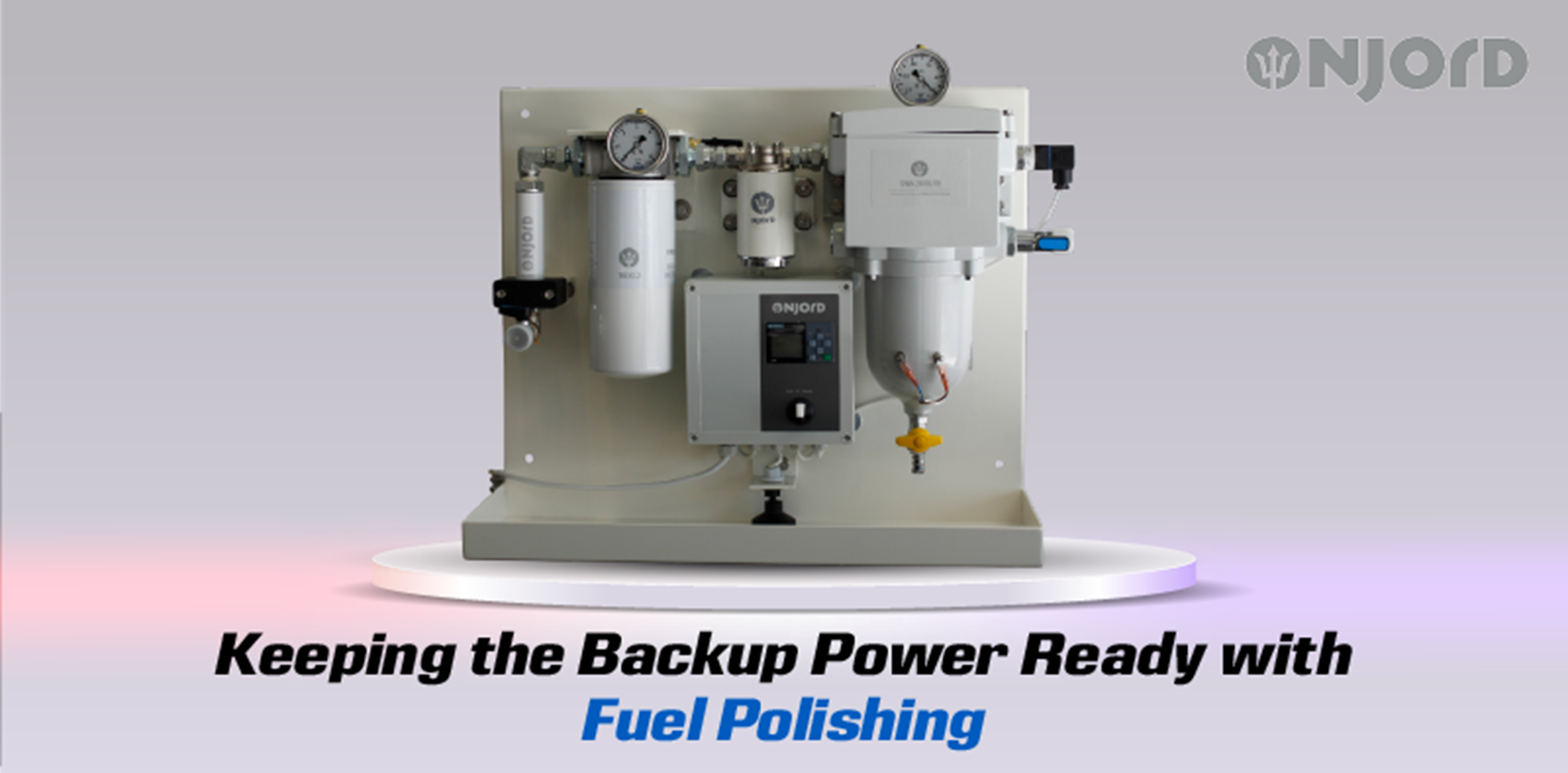
Emergency equipment, such as backup generators and fire pump engines, is primarily used to provide backup power during power outages. This is like an inverter, and the backup power has to be top-notch, as it keeps everything running smoothly when power is unavailable. It is mandatory to keep a backup for the machinery that runs on fuel. Big machines come with big responsibilities, and keeping them on the emergency line for backup requires utmost attention and maintenance. Njord Filtration's fuel polishing for emergency systems provides the ultimate solution to keep your engines running. In this blog, we will see how fuel polishing matters and how it works.
What are the drawbacks in the absence of fuel polishing?
Emergency fuel remains in storage for long-term use during emergencies. Due to long-term storage, several problems can occur if you do not perform regular fuel polishing.
- The fuel contamination is one of the most important factors to consider. Inside the fuel tank, multiple particles of sludge, dirt, and water can grow.
- Secondly, bacteria can easily grow inside the fuel tank wall, disrupting the fuel, and over time, you never know, it can spoil.
- Poor-quality fuel can damage the generator system and prevent it from starting, especially in an emergency.
- Polluted fuel can clog the filters, eventually affecting engine performance and causing problems.
- Eventually, the contaminated fuel damages and reduces the working capacity of the engines and generators.
- Lastly, it maintains or repairs the small segments that require frequent attention.
At Njord Filtration, we know the benefits of fuel polishing for emergency systems and how it helps you reduce the hassle.
How does the fuel polishing work?
After knowing the framework, now lets see how it works? The purpose of cleaning or filtering the fuel is to keep it ready for any emergency use. The fuel-cleaning process includes a circular cleaning step.
- First, the fuel is transferred from the fuel tank to the cleaning tank via the pump, and the cleaning process begins in the polishing unit.
- The second process is to remove the water. There are special water separators that separate water molecules from the fuel, preventing the growth of microbes and other fungi.
- Then the fuel passes through additional cleaning filters, where unwanted particles, such as dirt, metal shavings, sludge, and other unknown contaminants, are removed.
- In some special cases where the fuel already contains ingrown microbial matter or corrosion, a special chemical treatment is performed to remove it and produce clean fuel.
- After the filtration and special chemical treatment, the fuel gets loaded into the tank for end use.
At Njord Filtration, we have advanced equipment and technology to process stored fuel into usable fuel through proper fuel polishing for emergency systems, keeping it ready for use at any time.
See how fuel polishing helps running the engines smoothly?
How does the fuel polishing improve the efficiency of the emergency system?
It is not only about fuel; if you keep anything for too long, it will eventually get damaged, including the fuel. Crude oil is the fuel source, so contaminants are present. Anyway, the fuel requires routine filtration to use it properly. The unfiltered fuel consists of alien particles, including dust, water, wax crystals, dirt, soil, metal particles, sludge, and more. Unfiltered fuel can reduce a smooth-running engine's capacity by blocking the filters.
Eventually, the damage ends up costing you a huge maintenance bill with a lot of complications. On top of that, knowing you have stored fuel, but the unfiltered one can prevent the generators or the engines from starting. Hence, fuel polishing for emergency systems by Njord Filtration is an important consideration.
How does it help in the improvement of the stored diesel fuel?
The stored diesel fuel is primarily for emergency use. If the fuel stays in a tank for a long time, it can become contaminated by dust, dirt, and water, which can cause corrosion in the walls and, over time, the fuel will become polluted with these particles. During any emergency, the use of fuel can cause problems, such as increased particle emissions, which increase fuel weight, and reduced engine running capacity. At the same time, it can block other filters, hampering the generator or the fire pump engine. Fuel polishing for emergency systems ensures clean, filtered fuel by removing unnecessary particles, making it ready for any emergency.
A cleaner and healthier fuel
We ensure cleaner, healthier fuel to keep you worry-free, and Njord Filtration's advanced fuel-cleaning technology provides the best solution for fuel polishing in emergency systems.
The fuel polishing system keeps the fuel clean, making it ready for use. Contact us and let us know your requirements.
FAQs
- How often should we have our fuel polished?
It depends on the tank's size, conditions, and the amount of fuel. - Can fuel polishing extend the generator's life?
Polished fuel provides a smooth, hassle-free run for the generators and extends their life. - Is fuel polishing compatible with all storage tanks?
Yes, the fuel polishing is suitable for almost all kinds of diesel tanks.