Blogs
Is Dirty Fuel Silently Damaging Your Fleet's Engines?
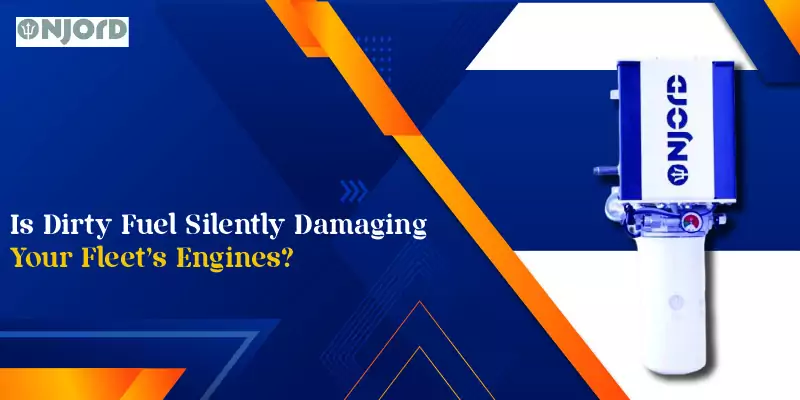
Running a fleet is a challenging job that involves juggling schedules, fuel costs, maintenance, and ensuring every truck operates smoothly without a hitch. The last thing you need is an engine acting up or a truck breaking down unexpectedly. But here's the thing—a lot of those issues might be coming from something most people never think about: dirty fuel.
Even if you're getting your fuel from a reliable source, it doesn't stay clean forever. Over time, things build up—water, gunk, even microbes—and start causing real problems. There's a simple fix: fuel polishing .
What's Dirty Fuel Exactly?
It sounds odd, but fuel can go "bad" just sitting in your tanks. Here's what tends to sneak in:
- Dirt and debris – These clog up your filters and make engines work harder than they need to.
- Water – Usually from condensation. It can cause rust in your tank and mess with fuel quality.
- Microbes – Bacteria and fungi actually grow in fuel, especially when water's present.
- Sludge – All the above builds up into thick, sticky gunk that kills performance.
If your trucks are acting sluggish, going through filters too fast, or you're noticing more breakdowns than usual, your fuel could be the problem.
So What's Fuel Polishing?
Fuel polishing is just a smarter way to clean up your fuel before it reaches the engine. Think of it like giving your fuel a deep clean: Here is what a fuel polisher does-
- Removes the dirt and sludge
- Remove the water
- And in many cases, even kill off bacteria or fungi.
- Then, the fuel gets circulated and cleaned multiple times.
By the end, what goes back into your system is clean, healthy fuel that your engines will thank you for.
Why Is This Important?
Because clean fuel means fewer headaches. Here's what you really get-
- Less downtime – No one likes dealing with breakdowns in the middle of a route.
- Lower repair costs – Clean fuel means fewer clogged injectors and filters.
- Better fuel mileage – Your engines run more efficiently with clean fuel.
- Longer engine life – You're protecting one of your fleet's biggest investments.
- Cleaner emissions – Helps keep you compliant and a little more eco-friendly.
The bottom line
At Njord Filtration, we make fuel polishing systems designed for fleet managers who just want their trucks running without all the drama. Our systems are fast, simple to use, and they work. If you're tired of engine issues or high maintenance costs, give your fuel some attention. A little polishing goes a long way. Let's keep your trucks moving and your costs down.
Check out our fuel polishing systems today—and see the difference clean fuel can make.The Importance of Micron Rating in Diesel Filtration
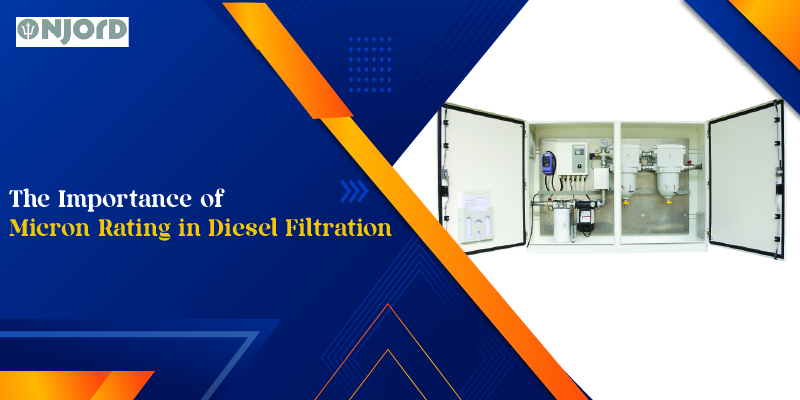
You already know that in diesel-powered systems, clean fuels play a significant role not only for the engine health, but also for uninterrupted operations. However, the level of purification of the diesel plays a substantial role in its performance. Well, that's where the micron rating of the diesel filtration system comes in. If you're unsure what a micron rating is and how it works in diesel fuel, this blog is for you.
Here, Njord Filtration will explain the different types of micron ratings, where they matter the most, and everything else you should know about them. So, keep reading to learn more.
But first…
Micron Rating in Diesel
Simply put, a micron, or micrometre, is a unit of measurement which is one-millionth of a meter, which is around 0.001 millimeters. For example, fine beach sand is of 90 microns while bacteria are of 0.5–5 microns. Similarly, diesel fuel flows through a filter designed to catch contaminants at 2, 10, or even 30 microns.
But why does that even matter?
Well, the answer is simple. Micron rating directly affects what kind of contaminants a filter can trap. In diesel fuel, the primary problems include water droplets, dirt or dust, metal shavings, rust particles, microbial sludge, and other fuel degradation byproducts. These particles can enter the fuel system, clog injectors, damage fuel pumps, and cause poor combustion, ultimately leading to complete engine failure.
(Also read from previous blogs: Preventing Diesel Engine Damage on Your Yacht with Advanced Filtration Systems )
However, it is also essential to know that two variants of microns play a significant role in diesel filtration, namely Absolute Micron and Nominal Micron.
Which industries should use Micron Ratings?
The following industries need a diesel filtration micron rating:
- Hospitals & Healthcare
In hospitals, the backup generators need clean fuel. For that, they use 5-micron or lower filters to prevent any failure. - Marine & Offshore Vessels
In the marine and offshore industries, the fuel quality degrades during long voyages. In such cases, filters with a size range of approximately 10 to 2 microns can protect the injector from damage during mid-sea operations. - Industrial Machinery
Next, in industrial machinery, heavy dust and moisture exposure can ruin the fuel quality. In that case, start with 30-micron pre-filters, followed by 5–10 micron final filters. - Fuel Storage Systems
Now, in fuel storage systems, sludge and microbial growth start to grow rapidly. For that, a mix of coarse and fine micron filters is best.
Nominal Micron Rating:
Nominal Micron ratings remove around 50–90% of particles of the stated size. For example, a 10-micron nominal filter will trap about 50–90% of all particles that are 10 microns in size. These are good for non-critical applications.
Absolute Micron Rating:
On the other hand, the Absolute Micron Rating removes 98.7% or more of the stated particle size, like a 5-micron absolute filter, which will capture nearly all particles that are 5 microns or larger. These are good for critical machines like marine engines, hospitals and airports.
How to Test If Your Micron Rating Is Working
Here's how to test diesel fuel cleanliness:
- Fuel Sampling
First, you need to take samples from your tank's top, middle and bottom layers and send them for lab testing. - Particle Count Analysis (ISO 4406)
The labs will then tell you how many particles per millilitre your fuel has at specific micron sizes. - Water Content Analysis
Since water in diesel is as problematic as solids, filters with good micron ratings should be paired with water separators.
Micron Ratings and Filter Maintenance
Choosing a finer micron filter, like 2 microns, will give you cleaner fuel. But it will also clog faster. To address this issue, you can utilize staged filtration, monitor pressure differentials across filters, and clean or replace them according to usage or maintenance intervals. But remember, balance is key because if it's too fine, it will clog. If it's too coarse, it won't filter well.
Bottom Line
Electricity is essential, whether in critical areas or non-critical areas. This is why it is vital to ensure that the micron sizes in the diesel filtration system are well balanced. As we mentioned earlier, the filtration result largely depends on the micron sizes. Therefore, for problem-free services, investing in a Njord diesel filtration system is essential.
Make the booking now by getting in touch with us. Contact here .
Which Fuel Polishing System Works Best—Manual or Automatic?
If you store diesel fuel for your yacht, generator, or industrial equipment, you probably already know it doesn't stay fresh forever. Even if your tank is sealed up tight, moisture can enter, tiny microbes can start growing, and sludge can settle at the bottom. What started as clean fuel can quickly turn into a problem, clogging filters and impacting your engine performance.
That's where fuel polishing comes in, giving your diesel a thorough deep clean. It removes water, dirt, and contaminants so your fuel stays fresh, your engine stays in top condition, and you avoid costly breakdowns.
When it comes to the diesel fuel polishing system , you've basically got two choices: manual or automatic. Both get the job done, but they work differently. Here's what you need to know to choose the right one.
Why Fuel Polishing Matters?
Diesel doesn't last forever. Today's diesel fuels have less sulfur and more bio components in them, so they break down faster than the standard fuels. Moisture gets into tanks through vents, creating a perfect place for microbes to grow and feed on your diesel. It creates sludge and acids that can seriously damage your tanks and engines.
Modern diesel engines, such as those using the Common Rail System, are especially sensitive. Even a little water or dirt can cause injector problems or clog filters, leading to costly repairs or downtime. Fuel polishing eliminates impurities, keeping your fuel clean enough to keep your engine running in peak condition.
Also read- How Fuel Polishing Improves the Efficiency of Diesel Generators?
Now let's have a short comparison between the manual and automatic fuel polishing system.
Manual Fuel Polishing Systems
Manual systems are pretty simple. Just place them up, turn them on, monitor the process, and turn them off when you're done. If you only need to polish fuel now and then, like before boating season or when servicing your generator, it works.
Pros-
- Less upfront cost
- Simple to set up, no complicated tools
- Perfect if you don't polish fuel often
Cons-
- You have to be there to run the process
- Easy to forget steps if you're busy
- Not great if you have big tanks or want regular upkeep
Manual systems work for small tanks, provided you can keep up with them. But if you want something that runs itself, a manual probably isn't your best bet.
Automatic Fuel Polishing Systems
Automatic systems are the "set it and forget it" of fuel polishing. You set it up once, and it keeps your fuel clean on a regular schedule—no watching required. This is perfect if you have big tanks, critical equipment, or just don't want downtime.
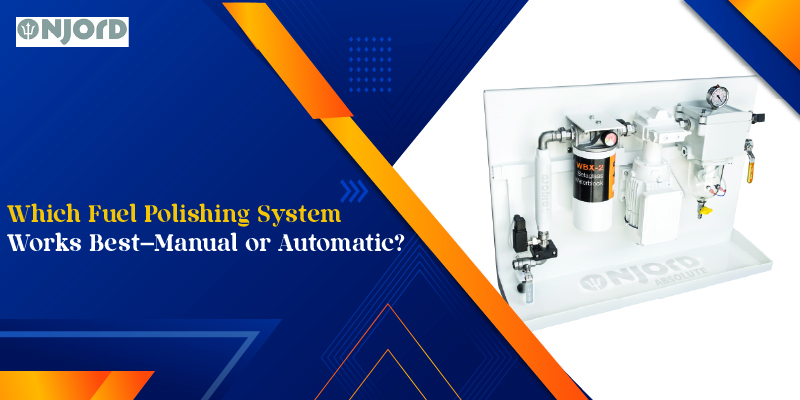
One great option for this is the Njord Absolute Diesel Polishing System-APS Series. It's built for heavy industrial gear and features numerous smart technologies that make fuel maintenance significantly easier.
Here's what makes the fuel polisher from Njord the best option-
- Runs on a timer, so it polishes fuel weekly without you lifting a finger
- Plug and play, so it's easy to install
- Works with many power options—110 VAC, 230 VAC, or 12/24 VDC
- Has alarms for water in the fuel, clogged filters, leaks, and low flow
- Filters out tiny particles (smaller than 5 microns)
- Uses a two-step process to keep fuel dry
- Built-in fuel conditioner stops microbes and keeps fuel fresh
- Stainless steel plumbing that won't rust
- Lets you monitor it remotely from anywhere
- Can move polished fuel between tanks too
Basically, this system keeps your diesel clean and your engines happy, protecting you from expensive fuel problems.
The Bottom Line
Fuel polishing has evolved. With modern fuels breaking down faster and engines getting more complex, keeping your diesel clean is smart, no matter how much fuel you store. Manual systems are suitable if you're looking for something affordable and don't mind handling the work yourself. But if you want something more advanced and effective, automatic systems are the way to go. The Njord Diesel Fuel Polisher is a solid choice if you want an automated system with all the features to keep your diesel clean and your engines running smoothly.
Make your fuel clean-up a stress-free process—order our automatic diesel fuel polishing system online at Njord Filtration today!
How You Can Protect Your Offshore Operations with Fuel Polishing?
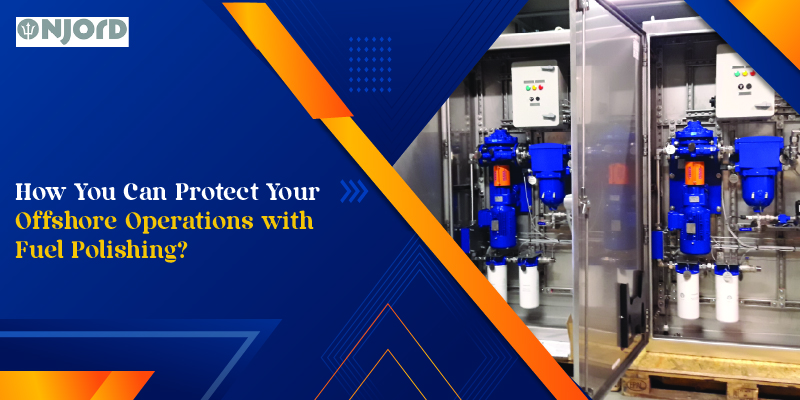
While managing an offshore operation, you have to make sure that equipment reliability doesn't become your only goal, rather it needs to be your top requirement for safety and profitability. The heart of any platform, rig, or support vessel is its power supply which depends entirely on the quality of its diesel fuel.
However, the stored fuel in a marine atmosphere is always under threat from contamination. This is why an offshore fuel polishing system is quite an important piece of equipment which can actively protect your assets and make sure that your power supply remains clean and dependable. In this guide we will go about offshore fuel polishing systems and why you need them.
Why is Stored Offshore Fuel So Vulnerable?
The marine climate is harsh, and the main enemy of clean fuel. The high humidity and continuous temperature fluctuations between day and night along with salty air create the perfect conditions for water to condense inside your large fuel storage tanks. This water settles at the bottom of your fuel tanks and becomes the breeding ground for a host of problems which can have serious consequences for your machinery and even the entire operation.
Once water is present in your fuel, it just starts a damaging chain reaction. The water promotes the growth of bacteria and fungi which is commonly known as the diesel bug. This feeds on the fuel and creates a thick corrosive sludge which can quickly clog your filters and fuel lines. At the very same time, the water can cause the inside of your steel tanks to rust and corrode while introducing a steady stream of tiny metal particles into your fuel supply.
What Problems Does Contaminated Fuel Cause Offshore?
When you let the contaminated fuel reach your engines, then it can lead to a series of escalating problems that can put your assets and even crew at risk. Here's what it can become responsible for:
Sudden Generator Failure
This is the most dangerous risk you can face when the sludge and solid particles from the tanks get pulled into the fuel lines. They can completely clog your main fuel filters and starve your engine of fuel, which can cause a sudden and total shutdown of your main generators or propulsion systems. This will lead to a critical loss of power in the middle of the sea, and you wouldn't know what hit you.
Increased Water on Engine Components
Even if you do not experience a complete failure, running on contaminated fuel can cause long-term damage. The tiny and hard particles can act like liquid sandpaper, which can be the reason for excessive wear and tear on expensive engine parts like your fuel pumps and injectors. This damage can lead to very costly repairs and a much shorter operational life for your engines, which is another loss you will have to deal with.
(Also Read: How Offshore Fuel Polishing Ensures Reliable Emergency System Performance )
Higher Maintenance Costs and Downtime
If your crew is always having to replace the clogged fuel filters, then you are definitely dealing with the symptom and not the very cause. This can lead to huge amounts of unscheduled maintenance work and operational downtime. So, every hour that gets spent on this reactive maintenance is almost an hour of lost productivity and profitability for your operations.
Inaccurate Fuel Tank Readings
The thick sludge and sediment that build up at the bottom of your storage tanks can interfere with your fuel gauges. This can give you an inaccurate reading of your available fuel reserves. With an incorrect fuel reading, you get a major safety issue on hand when you are operating far from the shore.
How Does a Fuel Polishing System Protect Your Operations?
With a fuel polishing system, you can have a proactive solution that will keep your fuel clean at all times. It can work as a dedicated kidney loop for your fuel tanks if you want. Here's what it does:
- Circulate and Clean Fuel: The system works by creating a continuous cleaning cycle when you install it. It pulls fuel from the very bottom of your storage tank, where the water and sludge accumulate, and then passes it through a series of advanced filters only to return clean and dry fuel to the top of the tank.
- Removes Water, Sludge, and Particles: The system has a multi-stage filtration process to remove every type of marine fuel contamination. It uses a separator to remove water, then passes the fuel through filters to capture the sludge that is created by the diesel bugs, and then finally removes solid particles like rust and dirt down to a very fine level.
- Prevents Contamination Build Up: As it continuously circulates and cleans the fuel, the system never allows water and sludge to ever settle and collect at the bottom of the tank. This ongoing process of diesel fuel maintenance for offshore rigs keeps your entire fuel supply in the right condition for use.
Moving Forward
Being in the offshore environment means that you cannot afford to take risks with your only power supply. You need to understand that clean fuel is critical for your safety and even operational requirements, which is why an offshore fuel polishing system is the right step that you can take. It is the best way to make sure that your engines are reliable while reducing your maintenance costs and preventing your engine from failing at sea. You can explore our website to find the right offshore polishing system for your needs.
Contact us at +31-13-7640706 to talk to our experts and discuss the right fuel polishing solution for your offshore assets.
How Can Contaminated Fuel Impact Your Mining Operations?
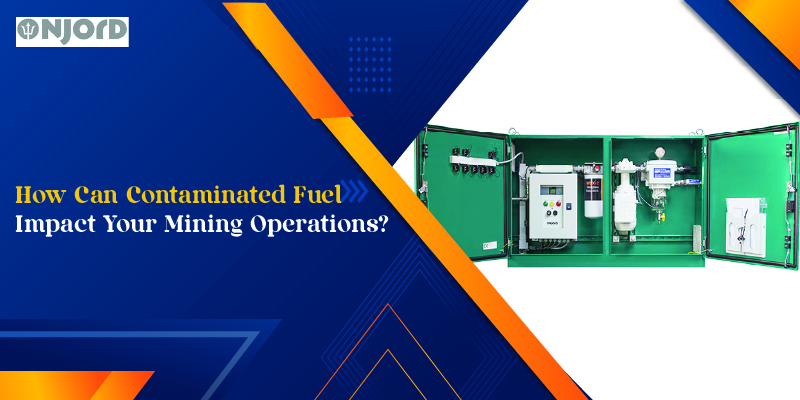
If you work in mining, you already know how much you need to depend on your generators. Whether you're on-site or working remotely far from the grid, those diesel generators keep everything moving—equipment, lights, safety systems, the whole operation. But here's the thing many don't think about: your generator might be in great shape, but if the fuel running through it is dirty, you're setting yourself up for trouble.
We're talking about unexpected breakdowns, higher maintenance costs, and lost time, which is particularly critical in mining, where every minute counts. Read on to know more about it and how to filter diesel fuel.
So what's dirty or contaminated diesel?
Even if the diesel that gets delivered is clean, it doesn't stay that way forever. In mining, fuel usually sits in big tanks for weeks or months. That's plenty of time for contaminants to get into it.
Here's what happens-
- Water builds up from condensation, especially when the weather changes
- Bacteria and fungi start growing in that water layer
- Rust, dirt, and debris fall in from old tanks, hoses, or sloppy transfers
- Fuel breaks down, especially in heat or over time
So you might think your diesel looks fine, but it could be slowly wrecking your generator every time you turn it on. Also read - The importance of fuel polishing in the mining & construction industry.
What dirty fuel actually does to your generator?
Bad fuel doesn't make your engine run rough—it causes real damage. Here's what it leads to
- Clogged fuel filters
Sludge and particles build up quickly, causing fuel to flow improperly, and eventually, the generator stalls out. - Damaged injections
Fuel injectors are delicate and precise. Contaminants wear them out fast. That means poor combustion, rough starts, and expensive repairs. - Wasted fuel
Contaminated diesel doesn't burn as well. You end up using more fuel to get the same output, which hits your budget hard over time. - Unplanned shutdowns
No one likes surprises—especially in the middle of a shift. Dirty fuel is one of the top reasons generators fail unexpectedly. - Corrosion and long-term wear
Water and microbes inside your tank lead to rust and corrosion, not just in the tank but all through the fuel system. - Risk to safety
Generators don't just power equipment—they often keep critical safety systems online. If they go down, it's more than a productivity issue.
Is Fuel Polishing The Solution?
Fuel polishing provides a deep clean for your stored diesel. Instead of draining and replacing your fuel, polishing cleans it right there in the tank. The system pulls the diesel out, runs it through filters and water separators, and puts it back clean. It removes sludge, water, microbial gunk, and degraded or oxidized fuel.
Mining isn't exactly a clean, easy environment. You've got dust, heat, humidity, and big fuel tanks sitting out in the open. Contamination happens–fast. And because operations rely so heavily on generators, a fuel problem can quickly escalate into a significant, costly headache.
Fuel polishing helps you with the following things-
- Keep your generators running without trouble
- Avoid sudden breakdowns and shutdowns
- Cut down on maintenance and repair bills
- Make your fuel last longer and burn cleaner
- Keep your team safe and your schedule on track
It's not about over-maintaining — it's about avoiding preventable problems before they happen.
The bottom line
At Njord Filtration, we offer fuel-polishing systems specifically for heavy-duty industries like mining. Our systems are tough, simple to use, and made to handle large volumes of diesel in rough conditions. Whether you're running a single site or managing a fleet of generators, our setups help keep engines running smoothly. You wouldn't pour dirty oil into your tank—so why risk dirty diesel? Fuel polishing is an easy, reliable way to protect your generators and keep your operation moving.
Discover how Njord Filtration's diesel fuel polishers can help you filter diesel fuel, stay ahead of problems, and focus on getting the job done!