Blogs
Offshore Fuel Polishing Systems: Learning Practically
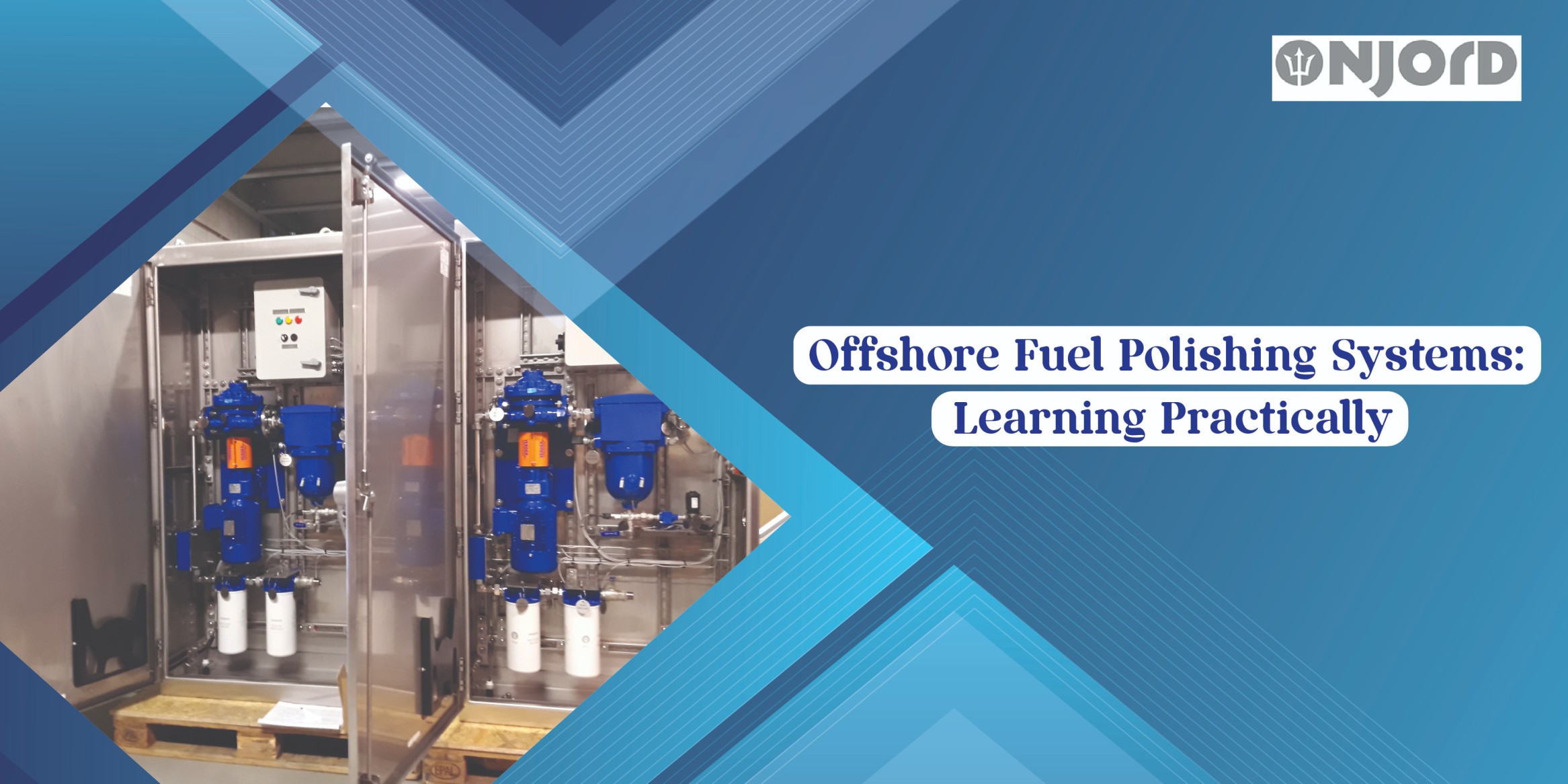
Whether on oil rigs, marine vessels, or offshore wind farms, these operations rely heavily on diesel fuel to power generators, keep critical machinery running, and keep operations running in those isolated, demanding environments. We all know diesel fuel is essential. But did you know that diesel fuel stored offshore can degrade over time due to water contamination, microbial growth, and sediment buildup? That's where fuel polishing systems come in to save the day. Let's just quickly recap on what offshore fuel polishing is all about; its the process of cleaning stored diesel fuel by removing water, dirt, and microbial contamination before it even reaches a generator, engine or any of the critical machinery. A polishing system circulates fuel from the tank through filters and water separators, then returns the clean fuel to the tank or engine system.
To be honest, it's not just a 'nice-to-have' in offshore operations, where fuel can sit in tanks for extended periods, because contamination can lead to issues such as power outages, equipment failures, and increased maintenance costs. Polishing ensures the fuel is in a usable state, enabling smooth, consistent operations.
In today's blog post, we will break down the key aspects of offshore fuel polishing , how these systems protect your equipment, boost reliability, and help you meet technical standards. So, stick with us until the end to get the lowdown on everything.
Are Automated Offshore Fuel Polishing Systems More Effective Than Manual Ones?
Manual polishing systems require an operator to press buttons to start, stop, and monitor each polishing event. This means you need someone on hand to schedule regular polishing sessions, monitor water and sediment levels, replace filters, and manually control pump cycles.
Automated systems, on the other hand, offer significant advantages. For example, they can be set to run at regular intervals, or continuously monitor fuel quality without needing any human intervention, they do a way with human error and make sure you end up with cleaner fuel over time, they reduce labor and downtime so your crew can get on with other important jobs and not have to stop what they are doing to do polishing tasks, and finally, many automated systems can send out alerts and integrate with digital monitoring systems for things like alarms for water, filter life, flow rates and the like.
The key point is that, because offshore locations often have small crews and high stakes for getting things right, automated systems generally outperform manual systems in fuel cleanliness, reliability, and cost-effectiveness.
How is water separated from diesel during the polishing process?
Those who know the problem know that water in diesel is a significant issue. It encourages microbial growth, corrodes metal components, and can clog fuel injectors or filters.
But things will be different in 2026, when modern water-removal systems come online. They use a multi-stage treatment process:
- Coalescing Filters
These filters are pretty clever - they bring tiny water droplets in the fuel together so they can be easily separated. As the droplets combine, they become heavy enough to fall out of the fuel stream under gravity. - Water Separation Chambers
Once the water droplets have grown large enough, they separate from the fuel stream. Here, special filters trap any free or trapped water before the cleaned fuel exits. - Water Catch and Drainage
When you're siphoning off all the water that's been separated from the fuel, it's collected in a separate tank or a drain chamber. Now, many of these systems also automatically drain the water, so it can't re-enter with the fuel. - Fine Filtration
After all the water's gone, the diesel gets run through fine filters - some of them are as fine as 1-5 microns. These filter out any solid matter, such as dirt and rust, and microorganisms. The result is that all water and contaminants are removed, leaving clean, stable fuel ready to use.
( Also read : How to Filter Diesel Fuel Effectively: A Complete Guide to Diesel Filtration Systems )
What are the environmental benefits of using fuel polishing systems offshore?
The following are the benefits you must be aware of:
- Reduced risk of spills and leaks
Dirty fuel can be a real pain - it can corrode tanks and filters, upping the chances you'll leak into your hands. On the flip side, clean fuel gives your components a break and reduces the risk of a nasty spill. - Cleaner combustion equals cleaner air.
When the fuel in your tank is nice and clean of water and sediment, combustion goes more smoothly. That means fewer unburned hydrocarbons and soot entering the atmosphere, which is clearly good news for the air and the planet. - Less waste is always a good thing
Polishing your fuel reduces the amount of waste you need to dispose of due to degradation. That not only means a lower environmental impact but also safer disposal practices. - No water, no microbes - better for the environment
Water and microbes in your fuel can create harmful by-products that corrode your tanks and components. By removing water, you prevent microbial growth, reduce corrosion, and get a little extra life out of your equipment - all of which is good news for the marine environment.
Can fuel polishing prevent diesel engine failures on ships and offshore platforms?
The answer is yes - it can. Here's how:
- Stop blocks before they start
Water and particles can clog your fine filters and fuel injectors quickly. But polish your fuel, and you'll keep those components clean, ensuring a steady fuel flow. - Corrosion is a bad thing.
Water promotes oxidation and corrosion in your fuel storage and delivery systems. By removing water, you help protect your metal components and keep your system running longer. - Clean fuel means better combustion.
Clean fuel burns more efficiently, reducing stress on your fuel system and improving overall engine performance. - Deal with sludge before it becomes an issue.
Sludge is a nightmare - it blocks lines and filters, and it's caused by microbes feeding on water in your fuel. Remove water and contaminants, and you suppress the growth of those harmful microbes. - Reliability is everything when it counts.
Offshore platforms and vessels need to keep on truckin' even after long periods of inactivity. Make sure they've reliable, polished fuel, and you'll avoid costly failures and downtime.
What standards or regulations apply to offshore fuel polishing systems?
Fuel polishing systems aren't always directly overseen, but they play a vital role in meeting the broader fuel quality and marine regulatory standards, such as:
- The International Maritime Organization (IMO) - MARPOL Annex VI
MARPOL Annex VI ensures ships comply, setting limits on sulfur and nitrogen oxide emissions and requiring that the fuel used in engines and generators meet the required standards. While emissions and fuel quality are regulated, polishing plays a key role in helping ships meet those requirements by ensuring the diesel fuel used is of sufficient quality. - Fuel Cleanliness Standards (ISO 4406)
ISO 4406 is a well-used standard for measuring particulate levels in diesel fuel. Here we've got a code like 18/16/13, which lets operators check if their fuel meets the right standards - that it's not too dirty. - Other Standards we should mention (ISO and Industry Specific)
Other standards, such as the water separation performance of ISO 16332 and the particulate counting of ISO 19438, affect how polishing systems are designed and tested. However, classification societies such as DNV, ABS and Lloyd's Register often provide guidelines for equipment used on offshore platforms and vessels. - Fuel Quality Requirements from Flag State and Regional Authorities
There are also national and regional bodies with their own fuel quality and emissions standards, which affect the use of polishing systems. However, a word of advice is always to consult the local regulations where you operate.
Bottom Line
Offshore fuel polishing systems are a sensible investment for any operation that relies on diesel fuel for power generation and to keep equipment mechanically sound. They keep the fuel clean, dry and free of nasty contaminants, reduce maintenance bills and prevent engine failures. They also help fleets and offshore platforms meet environmental and fuel quality standards, improve combustion efficiency, and extend equipment life.
If you're thinking of upgrading your offshore fuel management strategy, don't just think of polishing as a maintenance task; trust Njord Filtration, the ones that keep your operations running smoothly and sustainably.
If you want to know more, get in touch with us .
Fuel Polishing vs Tank Cleaning: Which One Do You Really Need?
If you rely on diesel-powered equipment, generators, vessels, or backup systems, fuel quality is not something you can afford to ignore. Fuel may look fine on the surface, but over time, it quietly changes inside the tank. Water builds up, microbes grow, and fine sediments settle at the bottom. That is where fuel polishing and tank cleaning enter.
Many operators hear these terms used interchangeably and assume they solve the same problem. They don't. Both serve different purposes, and understanding when to use one over the other can save time, money, and serious operational trouble.
Why Stored Diesel Fuel Becomes a Problem Over Time
Diesel fuel is not static. Once it sits in a tank, it is exposed to temperature changes, humidity, and natural aging. Tanks are vented by design, which means outside air and moisture can slowly make their way inside.
Over time, this leads to contamination that affects not just the fuel but the entire system connected to it. Pumps, filters, injectors, and engines all feel the impact when fuel quality drops.
Moisture can sneak in through condensation, dust and debris slowly settle inside the tank, and microbes start growing where fuel and water meet. It builds up quietly over time, which is why the problem usually shows up only when something stops working.
What Fuel Polishing Actually Does
Fuel polishing is all about cleaning the fuel itself, not the tank it sits in. Diesel is circulated through a filtration system that removes unwanted contaminants before returning the cleaner fuel to storage.
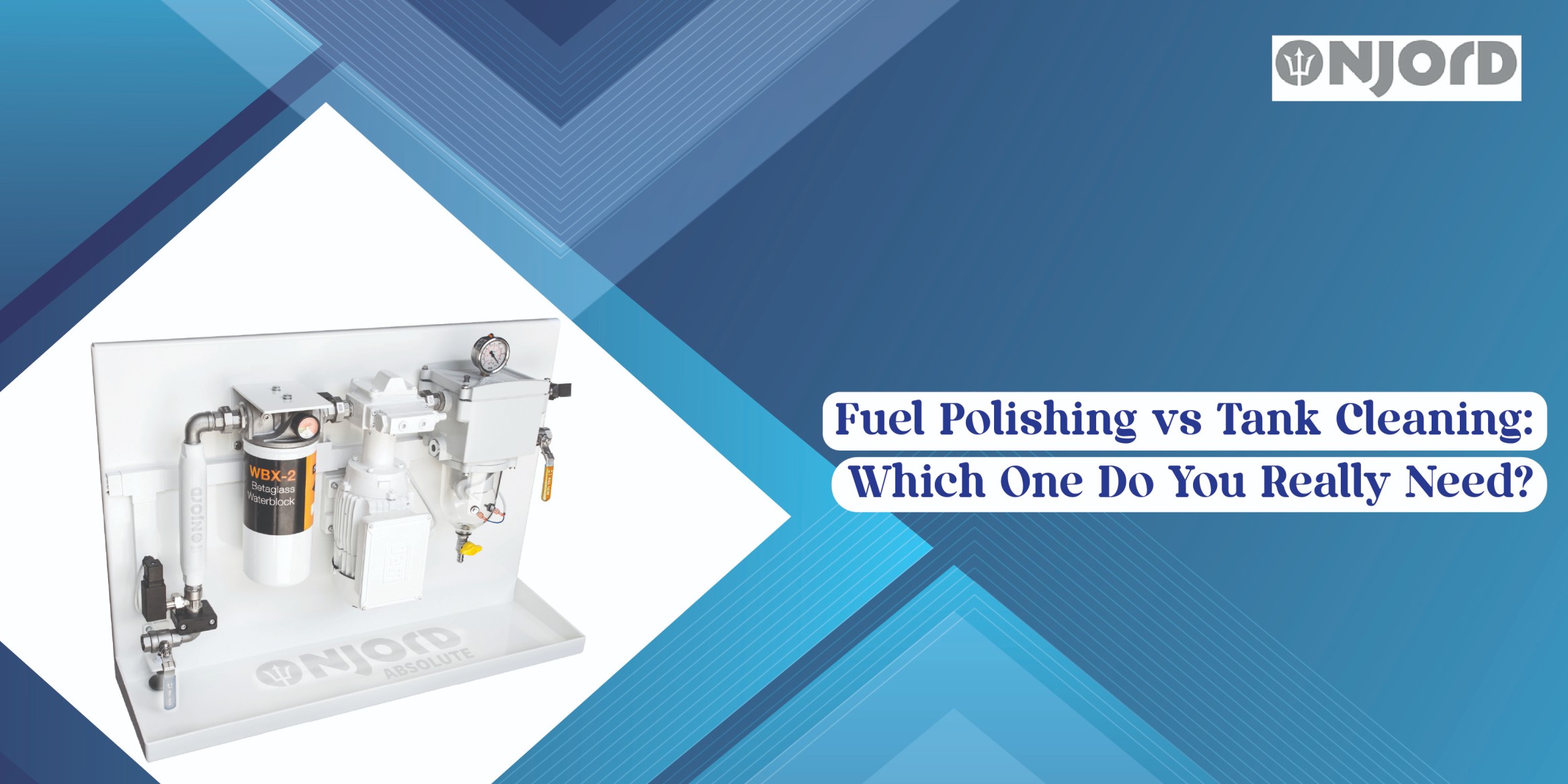
A question that often arises is what equipment is used for fuel polishing? It uses pumps to move the fuel, multi-stage filters to trap dirt and sludge, and water separators to remove moisture. Together, this equipment cleans the fuel without taking away what can still be safely used.
Fuel polishing makes sense when fuel hasn't gone bad but isn't clean enough to run engines safely. Instead of replacing it, polishing helps bring it back into good working condition.
Fuel polishing helps by:
- Removing suspended dirt and fine particles
- Extracting free and emulsified water
- Reducing microbial contamination
- Improving overall fuel stability
Does fuel polishing remove water from diesel? Yes, removing water is one of its primary benefits, and it plays a major role in protecting downstream equipment.
What signs indicate diesel fuel needs polishing
Fuel problems usually give off small warning signs long before anything actually breaks down. Catching them early lets you step in sooner and avoid costly downtime later.
Here are some common signs operators start to notice:
- Filters clog more often than they should
- Engines hesitate, smoke more than usual, or lose efficiency
- Fuel looks cloudy or darker during inspections
- Water shows up during routine tank checks
Read More : How to Filter Diesel Fuel Effectively: A Complete Guide to Diesel Filtration Systems?
Where Tank Cleaning Fits In
Tank cleaning takes a different approach. Instead of focusing on the fuel, it targets the storage tank itself. Over time, sludge, rest, and biological residue stick to tank walls and settle at the bottom.
Even if fuel is polished, leftover deposits inside the tank can recontaminate it later. Through tank cleaning, the inside of the tank is physically cleaned to remove this buildup.
Tank cleaning is typically needed when contamination is severe, recurring, or tied to structural issues inside the tank. This process is more hands-on and usually done less frequently than fuel polishing.
Tank cleaning may be necessary when:
- Heavy sludge is visible at the bottom of the tank
- Corrosion or rust particles are present
- Microbial growth keeps returning despite polishing
- The tank has not been cleaned for many years
Tank cleaning handles what's causing the issue, while fuel polishing keeps the fuel in good condition day to day.
How often should diesel fuel be polished
There's no set schedule for fuel polishing since it depends on usage, storage, and system importance. Fuel that remains unused for a long time, such as in emergency generators or seasonal equipment, benefits the most. Operators often treat polishing as routine maintenance to maintain fuel quality and safeguard their equipment.
Fuel Polishing vs Tank Cleaning
It's easier to see the difference when you consider what each service is meant to do.
Fuel polishing helps by:
- Cleaning the fuel without having to drain the tank first
- Keeping fuel quality stable and consistent
- Helping engines run more reliably
- Reducing the chances of fuel-related problems
Tank cleaning helps by:
- Getting rid of sludge and gunk inside the tank
- Tackling long-term sources of contamination
- Keeping the tank itself in good shape
- Giving neglected storage systems a fresh start
In many cases, fuel polishing is enough on its own. Tank cleaning becomes necessary when contamination has gone too far to ignore.
Can Fuel Polish Prevent Engine Damage
Keeping engines healthy is crucial. Fuel contamination can wear parts faster, clog injectors, and overwork pumps.
Fuel polishing prevents engine damage by removing water and abrasive particles, and polishing reduces the strain placed on engine components and helps systems run as designed.
Clean fuel burns more efficiently, starts more reliably, and supports consistent performance. While fuel polishing is not a mechanical repair, it plays a major role in preventing avoidable damage caused by contamination.
Making the Right Choice for Your Operation
The choice between polishing and cleaning comes down to what's happening with your fuel and tank. When the fuel quality drops but the tank is fine, start with polishing.
If fuel keeps getting contaminated even after polishing, or there's a lot of sludge, tank cleaning might be necessary to fix it completely. Many operators use both at different stages of a fuel system's life.
Why Fuel Polishing Is Often the Smarter First Step
Fuel polishing is simple to schedule and less disruptive than tank cleaning. It keeps your existing fuel in good condition, reduces waste, and helps your equipment stay reliable. For most operations, it acts as a safeguard, keeping engines safe and fuel ready to use. Tank cleaning is still useful, but usually only for bigger issues.
Conclusion
Fuel systems fail quietly before they fail completely. Knowing the difference between tank cleaning and fuel polishing helps you act before contamination causes downtime or damage. Fuel polishing keeps your fuel in good condition, while tank cleaning tackles tanks that have been neglected.
For professional guidance and dependable service, Njord Filtration offers expert fuel polishing solutions designed to keep your fuel clean and your operations running without interruption. Reach out to us today and take control of your fuel quality.
Frequently Asked Questions
- What is the main difference between fuel polishing and tank cleaning?
Fuel polishing cleans the fuel itself, while tank cleaning removes buildup from the tank's interior. - When should I choose fuel polishing over tank cleaning?
Fuel polishing is ideal when fuel quality is declining, but the tank is still structurally sound. - Can I skip tank cleaning if I regularly polish fuel?
Regular fuel polishing helps maintain fuel, but tank cleaning is still needed for severe or recurring contamination.
Is Fuel Polishing Better Than Fuel Replacement?
Stored diesel doesn't stay the same forever. It may sit quietly in a tank for weeks or months, but behind the scenes, things slowly start to change. Moisture gathers, tiny particles settle, and microbes begin to grow in spots no one can see. Then, suddenly, a machine struggles to start, or a generator refuses to run when it's needed most.
In moments like that, the same question always arises: is the fuel still usable, or does everything need to be thrown out and replaced?
Most of the time, replacing diesel isn't necessary. The fuel polishing system usually does the job — and does it well. It cleans up the fuel, removes the problem-causing contaminants, and avoids the cost and waste of buying a whole new tank of diesel. For most fuel storage situations, polishing is the smarter, more practical choice.
What Is Fuel Polishing and Why Does It Matter?
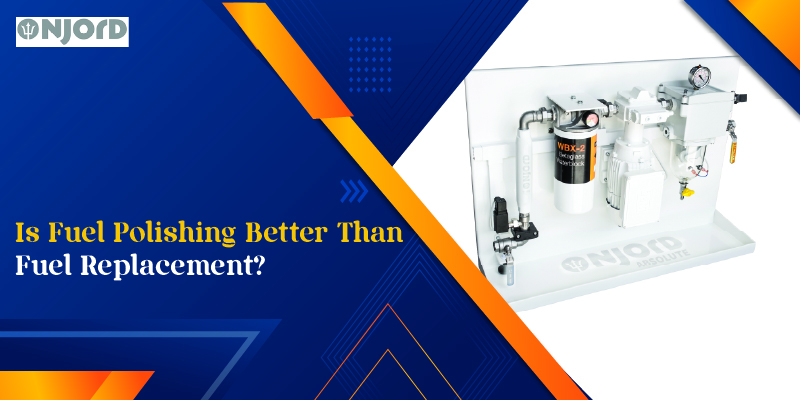
Fuel polishing is simply the process of removing diesel from the tank, cleaning it thoroughly, and returning it in far better condition. It's not magic — just a smart use of filters, separators, and circulation.
Today's diesel blends, especially modern low-sulfur and biodiesel mixes, are more delicate than older formulations. Even a small amount of water or sludge can throw everything off. When that happens, problems typically show up as:
- Filters clogging at the worst possible time
- Engines running unevenly
- Higher fuel consumption
- Unexpected shutdowns
- Damage to pumps or injectors
Instead of emptying tanks and replacing thousands of liters of fuel, fuel polishing solves the root issue. It brings the fuel back to a usable state and protects the equipment that depends on it.
Also read- 5 Common Problems in Diesel Fuel and How a Diesel Filtration System Solves Them
How Much Does Diesel Fuel Polishing Cost?
Costs vary, but the main factors are easy to understand:
- How big is the tank?
- How accessible it is
- How contaminated the fuel has become.
- Where the service is being done
For many tanks, polishing costs a few hundred to roughly a thousand pounds. Larger industrial tanks usually fall into the $1.50 to $3 per gallon range.
Although polishing is an investment, it often saves significant money in the long run. Replacing diesel, disposing of old fuel safely, and dealing with breakdowns or downtime easily costs much more. For most operations, polishing is both the cheaper and the more sensible option.
Can Fuel Polishing Remove Microbial Contamination?
Microbial contamination — often called “diesel bug” — shows up when water and fuel sit together for too long. Microbes grow, create sludge, and eventually clog up filters and damage tanks.
Fuel polishing is designed to deal with this. It:
- Removes the water microbes depend on
- Filters out the microbial growth itself
- Keeps fuel moving so microbes can’t settle and multiply
For light or moderate contamination, polishing usually clears up the issue. For extremely heavy contamination, polishing may be paired with a tank cleaning to get everything back under control. Still, fuel polishing remains one of the most effective ways to reduce or eliminate microbial buildup.
What Maintenance Is Required After Fuel Polishing?
After polishing the fuel, a little upkeep helps keep it in good condition. Nothing complicated — just simple habits that make a big difference:
- Circulate the fuel now and then
- Remove water before it builds up
- Replace filters regularly
- Use stabilizers or biocides if fuel will be stored for long periods
- Test the fuel occasionally
With these small steps, polished fuel stays cleaner, machinery lasts longer, and unexpected surprises are far less likely.
Fuel Polishing vs. Fuel Replacement
Fuel replacement and polishing each serve a purpose, but polishing is usually the first and best option.
Polishing makes sense when:
- The fuel is contaminated but still usable
- There’s a desire to avoid waste and unnecessary cost
- Equipment needs reliable, clean fuel.
- Environmental impact matters
Replacement is needed when:
- The fuel has oxidized badly
- Thick sludge coats the bottom of the tank
- The tank hasn’t been maintained in years
Most diesel problems fall into the polishing category — meaning they’re fixable without draining and replacing the entire supply. Polishing solves most issues quickly, effectively, and without major disruption.
The bottom line
Fuel polishing restores quality, removes water and debris, and protects engines that rely on clean fuel to perform well. It’s a smart, practical, and cost-effective option for anyone storing diesel long-term.
For dependable, modern fuel polishing technology, Njord Filtration offers systems built to keep diesel clean, dry, and ready at all times. The approach focuses on long-term fuel health, reduced breakdowns, and better overall reliability. Good fuel means good performance, and Njord Filtration makes that far easier to achieve.
Go check out the efficient fuel filtration solutions today for your tank needs!
Frequently Asked Questions (FAQ)
- How often should diesel be polished?
Every few months is usually enough to keep stored fuel healthy. - Can polish fix dark or smelly fuel?
Most of the time, yes. If the fuel isn't too far gone, polishing clears it up. - Is polished fuel safe for equipment?
Yes. Clean, polished fuel is easier on engines and helps them run more reliably.
Offshore Fuel Polishing for Diesel – Why It Matters and How It Works
When you're out on the open water, you know that a faulty fuel supply can be a death sentence, because a faulty fuel supply can lead to serious operational and safety risks, especially when you're miles from anywhere that can provide a top-up. Of course, many boat owners simply store their diesel fuel offshore, but that's still a recipe for disaster. All that harsh marine environment can wreak havoc on your fuel, with heat, humidity, rough seas and long idle periods all conspiring to turn it into a gunked-up, bacteria-ridden mess. And let's be honest, when contaminated fuel starts to poison your engine or generator, it's not just performance that takes a hit; it's safety, too, with clogged filters and unpredictable shutdowns that can leave you stuck in a tight spot. That's where the pros at Njord Filtration come in - with offshore fuel polishing, we can keep your diesel clean, stable and running smoothly, no matter how long it's been sitting or how rough the seas get.
So, in this guide, we'll dive into what offshore fuel polishing systems can remove, how they work, the key components they rely on, and whether marine regulations actually require them. Stay with us until the end, and we'll have you up to speed on everything you need to know.
What contaminants can offshore fuel polishing systems remove from diesel?
In simple terms, a good offshore fuel polishing system is designed to handle a range of contaminants that diesel can pick up, particularly when it sits in the tank for a long time or under less-than-ideal conditions.
The main causes of trouble include:
- Water (free, emulsified or dissolved water) It's pretty standard for diesel tanks to get a bit of condensation or for water to get in during bunkering. And let me tell you, that water can start to cause real problems - even small amounts of water can cause significant problems like corrosion and damage to your engine components.
- Microbial growth or the diesel bug
Now, when you've got water in the tank, all sorts of little critters like bacteria, fungi, algae or yeast can start multiplying in there. And these microbes can eventually turn into sludge, produce acids, and form biofilms that will clog your filters, corrode your systems, and degrade the quality of your diesel. - Solid particles, dirt and sediment
Tiny particles of rust, dust, and dirt from handling or transferring the fuel can get in there, and these solids can clog your injectors or filters and cause all sorts of problems with smooth fuel flow. - Sludge, gums, wax and oxidation by-products
Diesel that just sits around for a while can start to break down, forming nasty varnish, waxy residues, or gums. And that can mess up your fuel stability, reduce combustion efficiency, and even lead to deposits in fuel lines and injectors. - Fine particulates and emulsified contaminants
And then there are the really tiny little particles or contaminants that are so fine or so well mixed that standard filters can't catch them. At that point, you're going to need some fancy fine filters and water absorbers from Njord Filtration to really clean your fuel.
(Also read from our previous blogs: The Hidden Costs of Ignoring Fuel Maintenance in Emergency Systems)
Can fuel polishing systems operate while the vessel is running?
Absolutely! Often, your fuel polishing system can keep on ticking even when the vessel (or its engines/generators) is still chugging along. But, how does it actually work? The truth is that it all happens in a recirculation loop where the fuel is sucked out of a tank, runs through a filter that chucks out the water, particles, sludge, etc and then gets fed right back into the same tank. It's this constant cycle that keeps the fuel clean even when the vessel is moving.
Now, some of these systems do let you transfer the clean fuel from one tank to another, so you can keep on drawing from a nice, clean tank for engine use even while the other tank is getting cleaned. And yeah, to be honest, even if the system is running while the vessel is moving, it won't pick up all the muck that's settled at the bottom of the tank with heavy sludge and all that kind of thing. That's going to need a proper tank clean or a few rounds of recirculation to shift.
So, yes, fuel polishing systems are pretty compatible with vessel operations, which is why they're so good for staying on top of long-term maintenance, not just when the vessel is sitting idle for a good clean.
What are the key components of an offshore fuel polishing system?
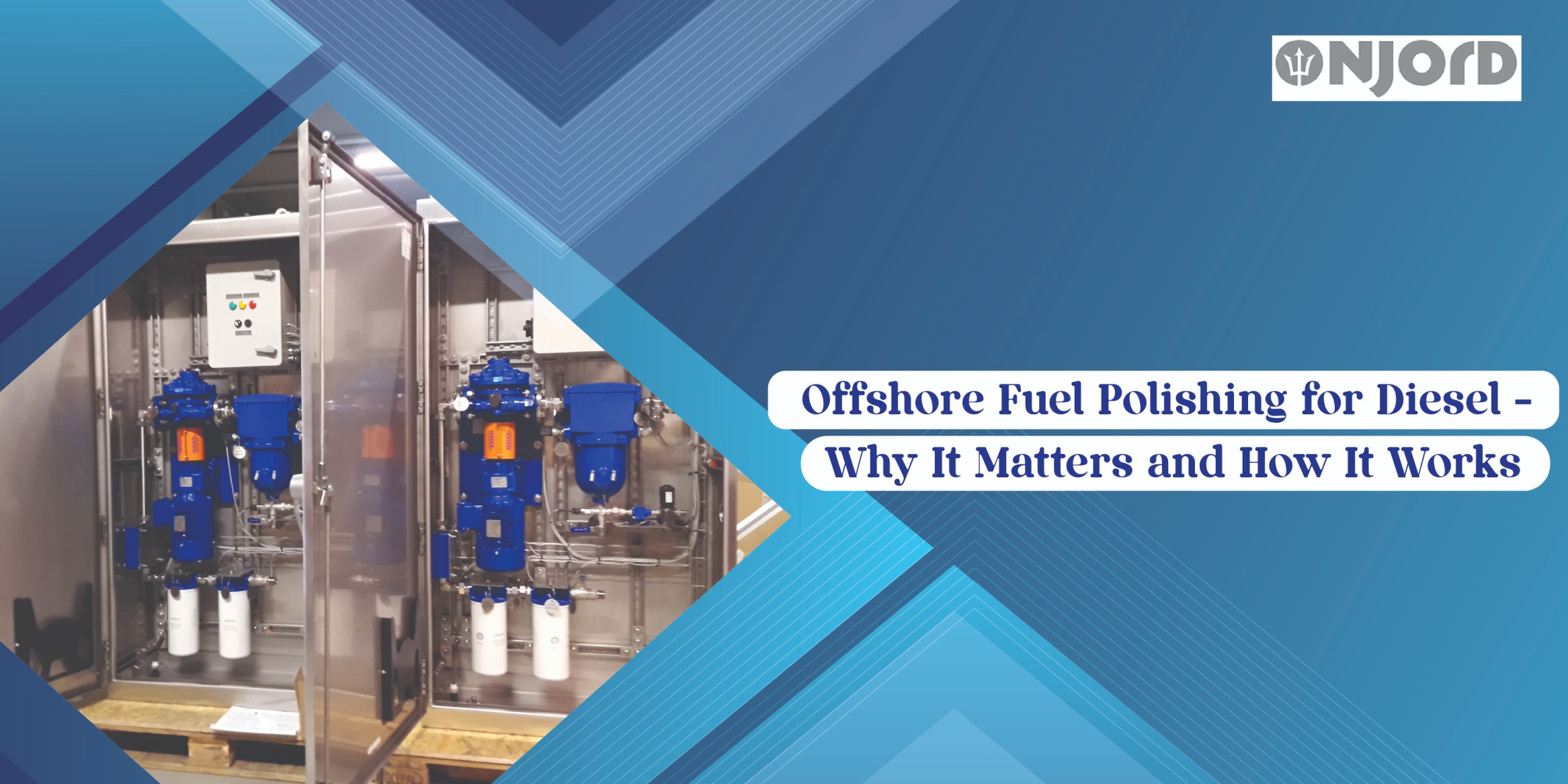
A solid offshore fuel polishing system usually involves a range of parts to get the job done right and maintain fuel quality.
Here are the key components often involved:
- Fuel-water separator (the first step in the process)
This thing uses coalescing filters or centrifuges to remove all the free or emulsified water from the diesel. The idea is that the water separates, and the lighter diesel keeps moving. - Fine particulate filters to really fine-tune the filtration process
After the water's been separated, the diesel's sent through some super-fine filters that might be as small as 1-5 microns to pick up stuff like small particles, sludge, wax, gums, or sediment. - Water-block or absorptive filter elements (one last step to get rid of all the water)
These are designed to suck up any water that's still floating around in the fuel because a little bit of water can wreak havoc on the fuel, considering the harsh marine environment can significantly degrade fuel quality either by letting microorganisms grow or by making combustion go haywire. - Pump, recirculation loop and plumbing (the delivery system)
Now you've got a pump that draws fuel from the tank, sends it through the filters, and then returns it to the same or a different tank - all to keep that fuel clean on an ongoing basis. - Optional fuel conditioner or biocide treatment (for extra protection)
Some systems go the extra mile and throw in some sort of chemical treatment to stop microorganisms from growing in the fuel - especially if that fuel's going to be sitting around for a while after it's been polished. - Control systems, flow meters, tank-selector valves and bypass valves (to make it all more efficient)
In more advanced or offshore-ready systems, these features help manage multiple tanks, monitor flow, switch between tanks, automate the cleaning schedule, and trigger alerts if the filters get clogged.
At the end of the day, all these components work together to get the job done and deliver a seriously clean, filtered fuel supply.
Is fuel polishing mandatory by marine regulations or class societies?
Well, to be honest not exactly. However, more and more it's being seen as a best practice which is increasingly becoming a requirement from engine makers, insurance, and Class societies, depending on how a vessel is used. In reality - many modern engine makers - especially those with common rail diesel engines - demand really pure fuel - with very low water content - under 70 ppm typically and tight controls on particulate matter too - like down to the ISO 18-16-13 cleanliness standard.
The thing is though marine diesel is prone to getting contaminated from all sorts of things, like being stored badly, getting water in it, condensation, or just growing algae in the tank. And that's why onboard fuel polishing has become a pretty good idea as a preventive maintenance thing especially if a vessel is in long term storage, or has backup gensets, or operates on and off a lot.
Bottom Line
Whether it is ships, marine engines, or backup generators, offshore diesel can easily get contaminated and degrade over the time, causing engine failures, costly downtimes and off-time maintenance. When you adapt to Njord Filtration for fuel polishing and filtration, it gives you almost to factory-like quality - pure and unmatched.
So, save yourself from unnecessary hassles and get in touch with us for more information. Contact us here .
Portable Fuel Polishing System Vs. A Fixed System: Which Is Better?
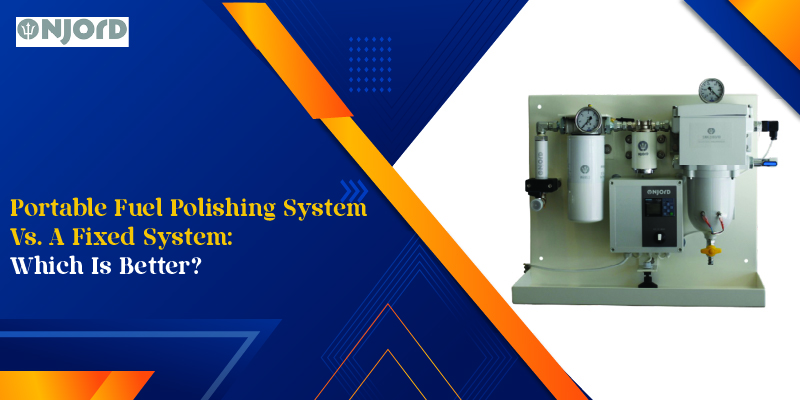
If you've ever opened a fuel tank after a few months and thought, "That does not look good," you're not alone. As fuel sits longer, and as biodiesel blends become more common, contamination is popping up in places it never used to. In 2025, a large number of operators discovered that their generators weren't failing due to engine issues — it was simply bad fuel.
That's why high-quality portable fuel polishing systems have become such a go-to solution. Instead of installing a fixed system on every tank, you can deploy a portable unit wherever the trouble is. It's quick, it's practical, and it gives you control.
Let's break down exactly why these systems have become so popular.
What are the main advantages of using a portable fuel polishing system compared to a fixed system?
Fuel problems have a way of sneaking up on you. You fill your diesel tanks, check your engines, and think everything is fine. Weeks pass, and suddenly, water has crept in, microbes have started growing, and sludge has settled at the bottom. Before long, engines misfire, generators underperform, or equipment even stops working entirely.
In 2025, offshore and remote operators learned a hard truth: most engine issues weren't mechanical. There were fuel problems. Dirty fuel costs time, money, and peace of mind. Portable fuel polishing systems are the practical, reliable answer. They let you clean fuel where it sits, whenever you need it , without stopping operations or investing in expensive fixed systems.
Owning a portable system isn't just convenient—it's confidence, control, and reassurance all in one.
Also read- A Look Inside: The Parts of an Offshore Fuel Polishing System
How Portable Fuel Polishing Systems Handle Large Volumes on Offshore Vessels or Remote Sites?
Many people hear "portable" and think "small," but today's portable polishing systems are surprisingly capable. Offshore crews especially love them because they can handle a lot more than you'd expect.
- Strong, Practical Flow Rates
Most modern units push 40–300 L/min, which is plenty to cycle through large tanks at a steady pace. It might take time, but it gets the job done — and does so effectively.
- One System Can Serve Several Tanks
On a vessel or offshore platform, tanks are usually scattered everywhere. Instead of installing a fixed system for each one, crews just do the following:
- Bring the portable skid over and hook it up
- Polish the tank
- Move it to the next location.
It's simple and efficient, especially when space and budget are tight.
- Designed for Harsh Environments
These systems are built for real-world conditions:
- Skid-mounted
- Crane- and forklift-ready
- Weather-resistant
- Rugged enough for offshore or remote operations
They're tough because they have to be.
- Batch Polishing Works Well Offshore
Offshore tanks often store fuel for long periods. A portable unit can perform a "deep clean" every few months — that's usually all you need. No constant running, no constant monitoring.
Common Limitations of Portable Fuel Polishing Systems
Portable systems are incredibly useful, but not perfect. Here's what operators should know:
Not Continuous
- After polishing, fuel can slowly degrade again.
- Not ideal for fuel that turns over daily
Manual Setup Required
- Someone needs to connect hoses
- Someone needs to supervise the system
- Takes more hands-on time compared to fixed systems
Large Tanks Can Take a While
- Very big tanks need longer run times.
- Fixed systems tend to clean faster because they run nonstop.
Less Automation
- Fewer alarms, fewer sensors
- Usually no remote connectivity or automated reporting
Fuel Can Drift Out of Spec Between Polishing Sessions
Stored fuel changes over time — condensation, microbes, and sludge can return if not checked occasionally.
Portable systems are best for periodic maintenance, not "set-it-and-forget-it" fuel management.
Can Portable Systems Be Used for Emergency Fuel Cleaning Without Disrupting Operations?
Yes — and this is where portable systems really shine.
When something unexpected happens — contaminated fuel delivery, high humidity, storms, sludge at the bottom of the tank — operators need a fast solution. Portable polishing systems give you that.
They allow you to:
- Clean fuel without shutting down operations
- Polish fuel right before emergency generators are needed
- Respond quickly to contamination
- Avoid ripping apart your infrastructure or waiting for specialists.
Think of a portable polishing system as an essential toolbox item. When fuel quality becomes a problem, you have the solution right there.
How Portable Fuel Polishing Systems Manage Water Separation and Microbial Contamination?
Water and microbial contamination are the two biggest enemies of stored diesel. Portable systems are built specifically to handle both.
Removing Water
- Coalescing technology pulls out both free and emulsified water
- Water collects in a bowl for easy drainage
- Prevents corrosion and injector damage
Filtering Out Sludge and Debris
- First-stage filters remove heavy particles
- Fine filters (1–5 microns) catch smaller contaminants
- Ensures fuel meets modern engine cleanliness needs
Breaking Down Microbial Growth
- Continuous recirculation disturbs biofilms
- Filters capture the microbial buildup
- Works even better if biocides are added afterwards
Fuel Conditioning for Long-Term Stability
- Helps stabilize fuel that's been stored too long
- Useful for biodiesel blends that separate over time
By the end of the process, the fuel isn't just "better" — it's actually usable again.
The bottom line
Portable fuel polishing systems are simple to use, easily movable, and capable of recovering fuel that would otherwise be wasted. Whether you're offshore, running remote operations, or managing multiple sites, they give you the freedom to handle contamination quickly and confidently.
They may not replace fixed systems in all situations, but for many operators, a portable polishing unit is exactly what they need to stay ready.
If you want a reliable portable fuel polishing system , check out the options available at Njord Filtration , for clean, dependable fuel whenever you need!
FAQs
- Can I polish my fuel without shutting down my generators?
Yes! You can clean fuel while everything keeps running. No downtime needed. - How often should I clean fuel in my tanks?
It depends on storage and use. You can check every few weeks or months to keep fuel safe. - Will a portable fuel polishing system work on large tanks offshore or in remote sites?
Yes, the fuel polishing systems are built tough and handle large volumes efficiently.