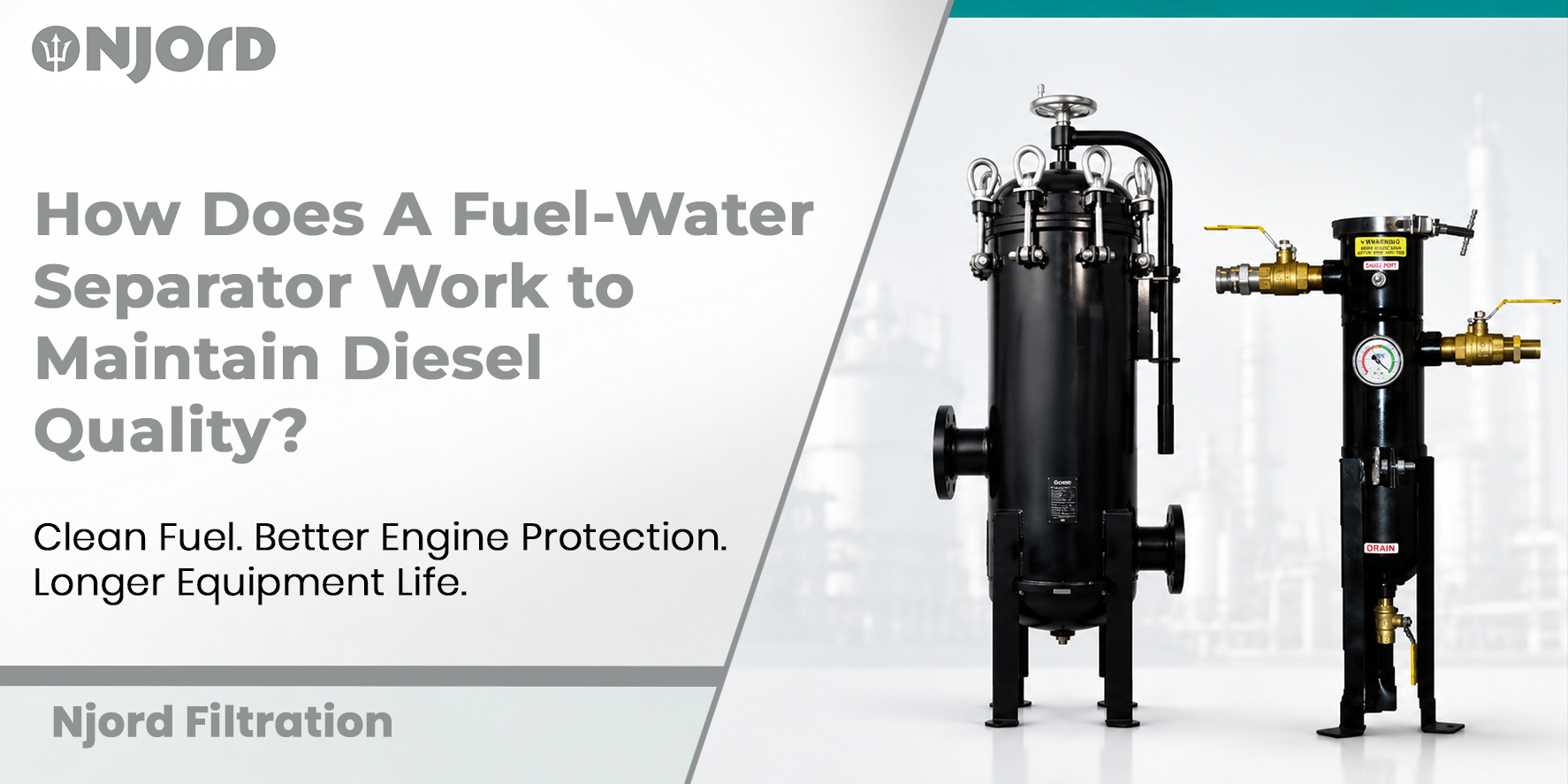
A water-fuel separator is a fuel filtration system found in many engines. Its main job is to separate water from fuel. Water sneaks into fuel all the time, sometimes when you're filling up, other times during storage. If water ends up in the engine, things go sideways fast: the engine runs rough, breaks down, or gets damaged.
The separator keeps things simple: water, becoming heavier, drops to the bottom, while the fuel floats on top and reaches the engine. People use these separators in cars, boats, and all kinds of machines to keep fuel clean. It's not just good performance; clean fuel means the engine lasts longer and doesn't run into problems with dirty or mixed-up fuel.
Table of Contents:
- What happens if water gets mixed with fuel in an engine?
- How does a water fuel separator actually work?
- Why bother keeping water out of engine fuel?
What happens if water gets mixed with fuel in an engine?
When water finds its way into your fuel, the engine doesn't like it one bit. Sometimes the engine won't start, or it might quit unexpectedly. Since water doesn't burn, the engine loses power; it starts shaking or just runs poorly.
Water can rest up the inside of parts and wreck them. It can clog the pipes and filters too. Diesel engines really suffer; water hurts the fuel injectors, and those repairs cost a lot. In all, water in fuel makes engines weak and unreliable. Repairs get expensive, and the engine won't last as long. Connect with Njord Filtration for diesel fuel sludge removal to improve engine life.
How does a water fuel separator actually work?
Inside the fuel-water separation process, it's all about weight. Water is heavier than fuel, so it sinks right to the bottom. Lighter fuel stays up top and flows out to the engine. Some separators even have extra filters to catch water drops or dirt along the way.
There's usually a little valve at the bottom, so you can drain out the water when needed. That helps engines get only clean, safe fuel. The lightweight fuel helps protect the engine's internal parts. The injectors and the fuel pumps stay far away from fungus and microbial growth. This is why Njord Filtration has developed diesel fuel filtration, which separates water from the fuel to preserve it for emergency use.
Why bother keeping water out of engine fuel?
Engines want clean fuel: no water, no junk. Water does not burn, so it messes up the engine's performance. You might find the engine feels weak or suddenly stalls. Water also causes rust and damage inside, turning minor problems into pricey repairs.
Clean fuel improves engine performance and fuel economy at the same time. It prolongs engine life, and that's why removing water is so important. To learn how fuel water separators remove water and dirt from diesel fuel, contact us, and we will improve the quality of the fuel you are considering throwing away.
Conclusion
With a separator in place, your engine runs smoother, uses fuel more efficiently, and lasts longer. It's a small component, but it plays a big role in making sure cars and machines keep working as they should. Contact us to get the most reliable water-fuel separator from Njord Filtration.
FAQs
- How often should you drain a water fuel separator?
Honestly, you need to keep an eye on it and drain it whenever you notice water inside. How often depends on your vehicle and how you use it. Although it depends on the conditions. - What are the signs of water in your fuel?
If you're having trouble starting up, notice the engine feels sluggish, runs rough, stalls, or there's weird smoke coming from the exhaust, water in your fuel could be the culprit. - Can a water fuel separator boost engine performance?
Absolutely. It removes water and junk from the fuel, so your engine runs more smoothly and starts more easily.