If you rely on diesel-powered equipment, generators, vessels, or backup systems, fuel quality is not something you can afford to ignore. Fuel may look fine on the surface, but over time, it quietly changes inside the tank. Water builds up, microbes grow, and fine sediments settle at the bottom. That is where fuel polishing and tank cleaning enter.
Many operators hear these terms used interchangeably and assume they solve the same problem. They don't. Both serve different purposes, and understanding when to use one over the other can save time, money, and serious operational trouble.
Why Stored Diesel Fuel Becomes a Problem Over Time
Diesel fuel is not static. Once it sits in a tank, it is exposed to temperature changes, humidity, and natural aging. Tanks are vented by design, which means outside air and moisture can slowly make their way inside.
Over time, this leads to contamination that affects not just the fuel but the entire system connected to it. Pumps, filters, injectors, and engines all feel the impact when fuel quality drops.
Moisture can sneak in through condensation, dust and debris slowly settle inside the tank, and microbes start growing where fuel and water meet. It builds up quietly over time, which is why the problem usually shows up only when something stops working.
What Fuel Polishing Actually Does
Fuel polishing is all about cleaning the fuel itself, not the tank it sits in. Diesel is circulated through a filtration system that removes unwanted contaminants before returning the cleaner fuel to storage.
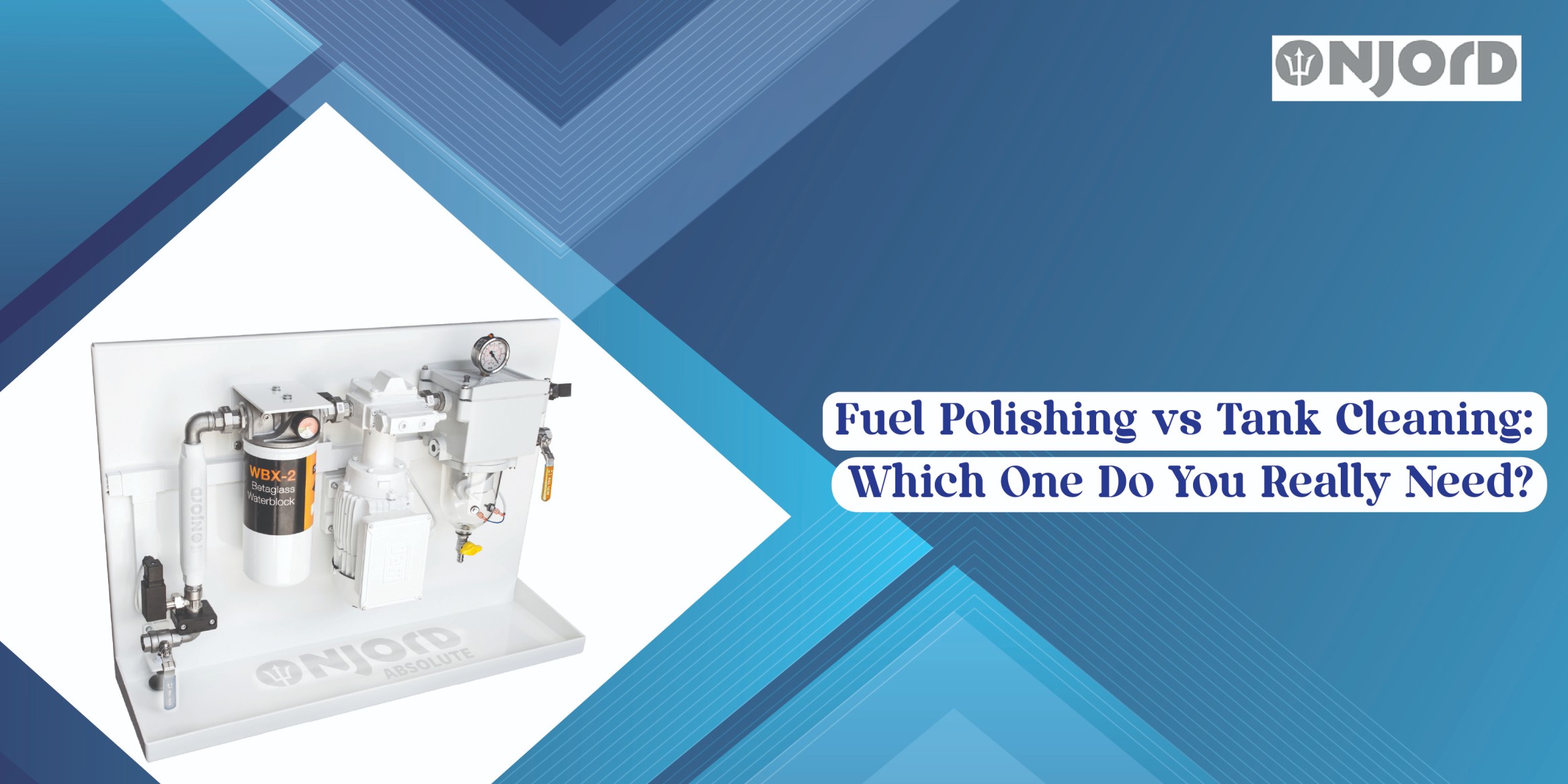
A question that often arises is what equipment is used for fuel polishing? It uses pumps to move the fuel, multi-stage filters to trap dirt and sludge, and water separators to remove moisture. Together, this equipment cleans the fuel without taking away what can still be safely used.
Fuel polishing makes sense when fuel hasn't gone bad but isn't clean enough to run engines safely. Instead of replacing it, polishing helps bring it back into good working condition.
Fuel polishing helps by:
- Removing suspended dirt and fine particles
- Extracting free and emulsified water
- Reducing microbial contamination
- Improving overall fuel stability
Does fuel polishing remove water from diesel? Yes, removing water is one of its primary benefits, and it plays a major role in protecting downstream equipment.
What signs indicate diesel fuel needs polishing
Fuel problems usually give off small warning signs long before anything actually breaks down. Catching them early lets you step in sooner and avoid costly downtime later.
Here are some common signs operators start to notice:
- Filters clog more often than they should
- Engines hesitate, smoke more than usual, or lose efficiency
- Fuel looks cloudy or darker during inspections
- Water shows up during routine tank checks
Read More : How to Filter Diesel Fuel Effectively: A Complete Guide to Diesel Filtration Systems?
Where Tank Cleaning Fits In
Tank cleaning takes a different approach. Instead of focusing on the fuel, it targets the storage tank itself. Over time, sludge, rest, and biological residue stick to tank walls and settle at the bottom.
Even if fuel is polished, leftover deposits inside the tank can recontaminate it later. Through tank cleaning, the inside of the tank is physically cleaned to remove this buildup.
Tank cleaning is typically needed when contamination is severe, recurring, or tied to structural issues inside the tank. This process is more hands-on and usually done less frequently than fuel polishing.
Tank cleaning may be necessary when:
- Heavy sludge is visible at the bottom of the tank
- Corrosion or rust particles are present
- Microbial growth keeps returning despite polishing
- The tank has not been cleaned for many years
Tank cleaning handles what's causing the issue, while fuel polishing keeps the fuel in good condition day to day.
How often should diesel fuel be polished
There's no set schedule for fuel polishing since it depends on usage, storage, and system importance. Fuel that remains unused for a long time, such as in emergency generators or seasonal equipment, benefits the most. Operators often treat polishing as routine maintenance to maintain fuel quality and safeguard their equipment.
Fuel Polishing vs Tank Cleaning
It's easier to see the difference when you consider what each service is meant to do.
Fuel polishing helps by:
- Cleaning the fuel without having to drain the tank first
- Keeping fuel quality stable and consistent
- Helping engines run more reliably
- Reducing the chances of fuel-related problems
Tank cleaning helps by:
- Getting rid of sludge and gunk inside the tank
- Tackling long-term sources of contamination
- Keeping the tank itself in good shape
- Giving neglected storage systems a fresh start
In many cases, fuel polishing is enough on its own. Tank cleaning becomes necessary when contamination has gone too far to ignore.
Can Fuel Polish Prevent Engine Damage
Keeping engines healthy is crucial. Fuel contamination can wear parts faster, clog injectors, and overwork pumps.
Fuel polishing prevents engine damage by removing water and abrasive particles, and polishing reduces the strain placed on engine components and helps systems run as designed.
Clean fuel burns more efficiently, starts more reliably, and supports consistent performance. While fuel polishing is not a mechanical repair, it plays a major role in preventing avoidable damage caused by contamination.
Making the Right Choice for Your Operation
The choice between polishing and cleaning comes down to what's happening with your fuel and tank. When the fuel quality drops but the tank is fine, start with polishing.
If fuel keeps getting contaminated even after polishing, or there's a lot of sludge, tank cleaning might be necessary to fix it completely. Many operators use both at different stages of a fuel system's life.
Why Fuel Polishing Is Often the Smarter First Step
Fuel polishing is simple to schedule and less disruptive than tank cleaning. It keeps your existing fuel in good condition, reduces waste, and helps your equipment stay reliable. For most operations, it acts as a safeguard, keeping engines safe and fuel ready to use. Tank cleaning is still useful, but usually only for bigger issues.
Conclusion
Fuel systems fail quietly before they fail completely. Knowing the difference between tank cleaning and fuel polishing helps you act before contamination causes downtime or damage. Fuel polishing keeps your fuel in good condition, while tank cleaning tackles tanks that have been neglected.
For professional guidance and dependable service, Njord Filtration offers expert fuel polishing solutions designed to keep your fuel clean and your operations running without interruption. Reach out to us today and take control of your fuel quality.
Frequently Asked Questions
- What is the main difference between fuel polishing and tank cleaning?
Fuel polishing cleans the fuel itself, while tank cleaning removes buildup from the tank's interior. - When should I choose fuel polishing over tank cleaning?
Fuel polishing is ideal when fuel quality is declining, but the tank is still structurally sound. - Can I skip tank cleaning if I regularly polish fuel?
Regular fuel polishing helps maintain fuel, but tank cleaning is still needed for severe or recurring contamination.