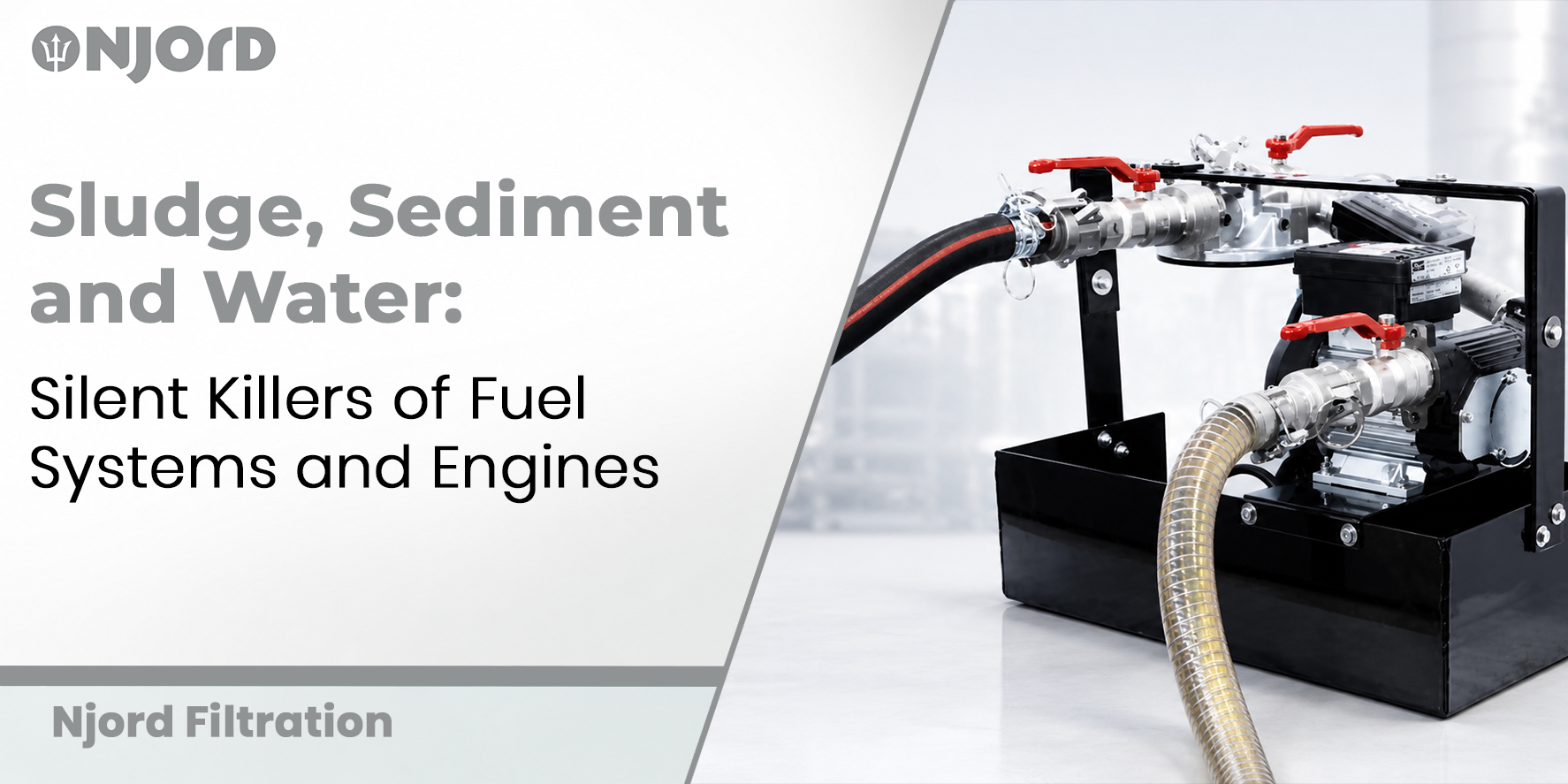
The fuel system is often judged by the performance it actually delivers. But is it about the only outer performance? Well, the reality lies in something else that you are probably ignoring or not giving much attention to. The real component is the fuel and its quality. Good, clean fuel can deliver excellent performance through the fuel system, but contaminated fuel can harm not only the engine but also internal components. Ultimately, it will lead to engine failure. The portable mobile tank cleaning systems for fuel by Njord Filtration are the most exact solution for any contaminated fuel. The multi-stage fuel cleaning system not only removes the stubborn contaminants but also extends the engine’s life and reduces the repair costs.
Table of Contents:
- What are the early warning signs of fuel contamination in your system?
- What happens to engines when contaminated fuel is used repeatedly?
- How do portable tank cleaning systems help restore fuel to a usable condition instead of discarding it?
What are the early warning signs of fuel contamination in your system?
The fuel contamination builds up slowly, but once it develops, the fuel's quality degrades. Sludge, sediment and water in the fuel begin to develop and hamper engine operation. However, they grow slowly and with open eyes, it's not noticeable at first. But that's what you are going wrong with. Check out the early signs that the fuel is getting contaminated.
- The contaminants are solid particles that frequently clog the filters. Which means the fuel is contaminated and needs filtration.
- You will notice a change in providing power, engine efficiency and responsiveness.
- The most common sign is when the engine doesn't start on the first attempt. It requires multiple attempts to get started.
- Due to inefficient combustion, the system consumes more fuel, which means internal parts are filled with contaminated fuel and forming layers that hamper the process.
- When you hear unexpected engine sounds during operation or at startup, it indicates the engine is running on contaminated fuel.
- In the separators, you will see a visible amount of water. The presence of water particles is one of the worst contaminants, as it can lead to microbial and fungal growth.
- When the fuel is discoloured, it indicates contamination and the presence of external particles.
- Last but not least, frequent engine breakdowns without any clear mechanical cause are also a sign that the fuel is contaminated.
Ignoring these early signs can cost you a lot. Utilise Njord Filtration's portable mobile tank cleaning systems, which can help you keep the fuel clean and usable at all times. Regular monitoring and timely interventions cannot prevent fuel contamination, but filtration can.
What happens to engines when contaminated fuel is used repeatedly?
The extended use of contaminated fuel can cause serious damage to the engine if not stopped. Contaminants such as sludge, water and sediments will lead to performance issues in the long run. So, try to understand the effects of these particles, which can end up costing you a lot. In this section, we will explain what happens when engines continue to use contaminated fuel daily. Well, there are several negative impacts associated with the use of contaminated fuel.
The results are: injector damage and clogging, lower combustion efficiency, increased engine wear and internal parts, rust inside the internal parts, frequent blockage in the filters, power loss and degraded engine performance, overheating issues, microbial and fungal growth inside the engine, and lastly, engine failure due to improper internal parts.
The growth of bacteria caused by water particles is more dangerous because they produce acid that promotes corrosion in internal parts and tanks. As a result, the engines struggle to deliver reliable performance, and the presence of contaminated fuel worsens the situation over time. Hence, if fuel quality cannot be controlled, it can create a bigger issue that will impact daily operations. Let the fuel flow through the portable mobile tank cleaning systems for cleaning and make-ready only by Njord Filtration.
How do portable tank cleaning systems help restore fuel to a usable condition instead of discarding it?
Fuel contamination doesn’t mean you will have to discard the fuel. The contaminated fuel can be used after proper filtration. Portable mobile tank cleaning systems remove external particles from the fuel, making it usable for future use. So, next time you see contaminated fuel, consider using a fuel filter rather than discarding it. Want to know why? Keep reading the points below.
- The contaminants, such as sludge and sediments, stored at the bottom of the tank are removed by portable tank cleaning systems, which clear the particles and make the storage suitable for fuel.
- The fuel undergoes multiple levels of filtration, removing both large and small contaminant particles.
- It maintains continuous filtration until the fuel is properly cleaned and free of contaminants.
- The best part is that it also removes water particles. Water particles are more dangerous than other particles because they can sustain microbial and fungal growth over time.
- Polishes and recirculates the fuel until it meets with the proper cleaning standard.
- Portable tank cleaning systems are the best because they are not only movable but also very effective in remote areas.
- It improves the fuel's appearance and combustion, enhancing engine performance without interruption.
- It saves usable fuel; otherwise, it can only be discarded.
Portable tank cleaning can convert contaminated fuel into clean fuel, turning it from a liability into a usable asset. By restoring the fuel quality, we are creating an essential solution for modern industries.
Conclusion
So, as you can see, adopting the portable mobile tank-cleaning system from Njord Filtration allows industries to not only eliminate contamination but also restore fuel quality and extend equipment life, ensuring smoother operations. Contact us and book your fuel assessment with our experts.
FAQs
- Can fuel contamination affect new engines?
Yes, contaminated fuel can damage the new engines as well. - Is microbial growth visible in fuel tanks?
Yes, you can notice a dark, slimy layer on the internal parts or inside the tank. - Is fuel polishing the same as tank cleaning?
No, fuel polishing cleans the fuel, while tank cleaning cleans the tank too.