Blogs
How to Filter Diesel Fuel Effectively: A Complete Guide to Diesel Filtration Systems?

Starting from powering ships to trucks, heavy machines, and generators, there is no question about how these engines bring a significant impact on society. But, do you know what could be their biggest challenge? Working through the dirty oil. Yes, one of the essential yet hidden challenges is the dirty fuel inside these machines, which technically provides the power needed for the engines to work adequately. Because even the tiniest bit of dirt and debris can contaminate the fuel, forcing it to lose its potential, causing frequent breakdowns. This is where the fuel filtration comes in.
In this guide, we will walk you through the steps of fuel filtration with Njord Filtration systems and everything else you must be aware of when it comes to filtering the diesel fuel effectively.
Understanding more about the diesel contamination
Now, first of all, let's define what we mean by diesel contamination. Simply put, it means that when other sources pollute clean fuel. Amongst which are:
- Water
There's no question that diesel tanks develop condensation. However, this condensation generates a significant amount of water, which promotes microbial growth and corrosion within the system, ultimately degrading the fuel and compromising its integrity. - Microbes
Microbes or Diesel Bug is a mix of bacteria and fungi that thrive in the interface between water and diesel fuel. They produce sludge and acids that damage fuel systems, weakening the system's power.
(Also recommend reading: How to Use Fuel Conditioner to Prevent Microbial Growth in Tanks )
- Dirt and Dust
Dirt and dust, or simply the tiny particles from storage tanks or transfer equipment, can get into the fuel and contaminate it. - Oxidation and Sludge
Over time, if the fuel is not filtered, the diesel will degrade, forming sticky deposits that clog filters and lines. This can degrade the fuel to its worst state.
Identify Your Filtration Needs
Now, you need to know what your diesel engine needs. So, start by asking yourself a few basic but important questions, and let the following explain:
- What equipment are you using?
The answer is the machine you are using, whether it's trucks, marine vessels, standby generators, or other heavy machinery. - How much diesel do you consume?
Now, depending on the quality, you can decide. For example, if you consume diesel in large quantities, you will need a heavy fuel filtration system. - Where do you store the fuel?
This is an important question, considering that the way you store your fuel plays a significant role in maintaining the quality of the fuel. So, check if you store it in on-site tanks, mobile containers, or marine vessels. - Is the climate extreme?
Just like storage, environmental factors also play a significant role in determining the quality of the fuel. So, if you are in a cold climate, you will need a fuel filtration system with wax-management systems. - How critical is the uptime?
In large industries such as the healthcare sector, mining zones, and shipping points, clean fuel is essential for efficient operation, with no room for negotiation.
All these will help you set up a diesel filtration system that can be basic, automated, and advanced.
Selecting the right diesel filtration system
Choosing the right fuel filtration system is essential! Always look for these features when you're about to invest in a filtration system:
- Multi-stage filtration that removes water and other solid particles.
- If you have modern engines, check the micron rating; the smaller the number, the finer the filter, suitable for advanced machines with micron ratings below 10 microns.
- Corrosion-resistant and suitable for all industrial applications.
- Quick filter replacement, so you save time and reduce downtime.
- The system can handle your fuel demand, whether less or more.
Some of the standard diesel filtration systems your system should have:
- Primary fuel filters are installed between the engine and tank to catch larger dirt particles from the fuel.
- Secondary filters that refine the filter diesel fuel and make it finer before the fuel goes to the injectors.
- A diesel polishing system that continuously cleans the fuel so it can run longer.
Not sure where you made your first purchase of a fuel filter system? We, with thousands of industries, trust Njord Filtration for their super-advanced diesel fuel systems, perfect for every sector!
Bottom Line
Investing in a filter diesel fuel system can be expensive, but that is just for one time. When you do so, you need to study and learn more about the machines your industry uses. This will help you to effectively filter the diesel without worrying about offloading under any circumstances. For more expert advice, we suggest consulting Njord Filtration.
Warning Signs That Your Emergency System Fuel Needs Polishing
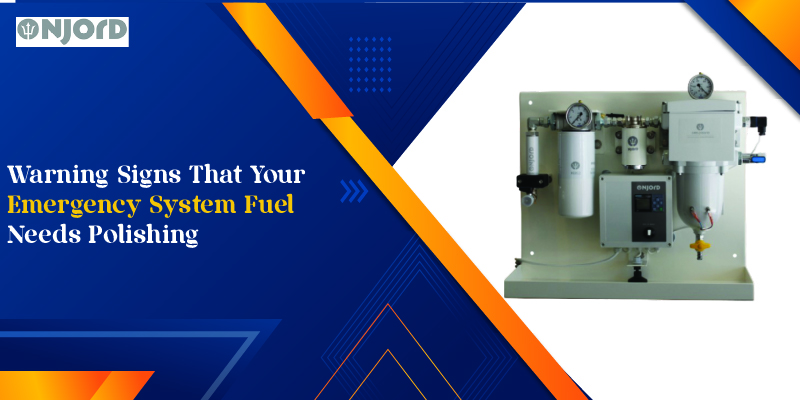
If you have an emergency generator—maybe at home or your workplace—you're counting on it to kick in the moment the power goes out. But here's the thing most people don't really think about: the fuel inside your generator? It can get old and nasty just like something left out too long.
When that happens, your generator might not start, or it could run all weird and sputtery. And that's the last thing you want when the lights go off, right? That's why there's something called fuel polishing for emergency systems. It's about giving your fuel a thorough clean so your generator is ready to go, no matter what.
So how do you know when your fuel is begging for this change? Here are some major signs.
What's Fuel Polishing & Signs to Watch For
Think about it like this: your fuel tank is like a fish tank. If you don't clean it, dirt, grime, and even some microbes start to grow and muck things up. The same thing happens in your fuel tank. Fuel polishing is like removing all the gunk, filtering your fuel, and making it nice and clean again. Fresh fuel means your generator won't throw a fit when you need it.
Here's how you know your fuel needs change-
- Your generator won't start, or it's struggling to start.
- When it finally starts, it runs rough and sputters.
- You see weird smoke coming out of the exhaust.
- The fuel smells bad, like plain old stale gas.
- You look at the fuel and notice it's cloudy or there's water sitting in the tank.
If you notice any of these, it's a red flag that your fuel needs polishing ASAP. Dirty fuel isn't just annoying; it can actually mess up your generator big time. All that sludge and sediment can clog your filters, stress your engine, and make things break down faster. And that can get expensive real quick—especially when you're counting on that generator in an emergency.
Why Fuel Polishing Is A Solution?
- Removes dirty water and microbes that contaminate your fuel.
- Keep your generator running smoothly without interruption.
- Helps your engine last longer and work better.
- Expect no surprise breakdowns and repair bills.
- Relax knowing your power's ready when you need it.
The Bottom Line
Your emergency generator is your lifeline when the power fails—and clean, polished fuel is what keeps that strong. Watch for these signs and make fuel polishing for emergency systems a regular thing. It'll save you headaches and keep your generator ready when it really counts.
If you are looking for a solution, reach out to Njord Filtration. We offer the most trusted fuel filtration system for your generator–ensuring it is ready to run whenever you need it.
The Hidden Costs of Ignoring Fuel Maintenance in Emergency Systems
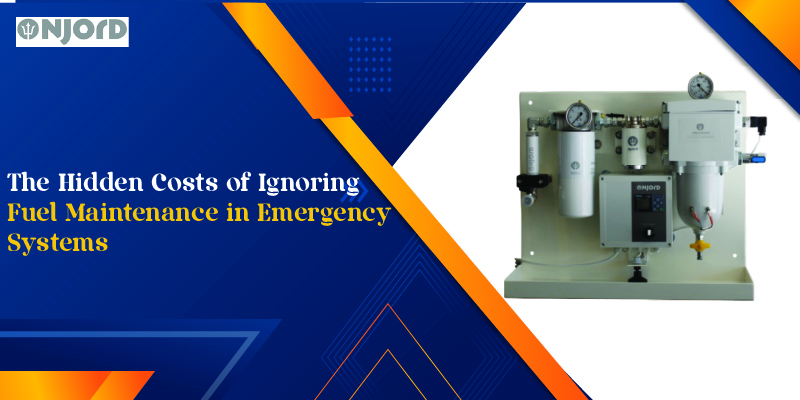
We all count on emergency generators to work when we need them most. Whether it's a hospital, a data centre, or a commercial building, those systems are built to operate when the power cuts out—and they need to work, no questions asked.
But there's one thing many people don't think about until it's too late: the fuel. It just sits there in the tank, quietly aging, while everyone assumes it's ready to go. And when fuel gets contaminated, the consequences can be really costly.
One key aspect of maintaining the reliability of these systems is fuel polishing for emergency systems. This process helps keep stored fuel clean, thereby preventing costly breakdowns when power is lost.
Keep reading to learn more.
What Happens to Stored Fuel Over Time?
Diesel fuel has a shelf life. It doesn't just sit there unchanged. Over time, it reacts with air, absorbs moisture from condensation, and becomes a perfect host for microbial growth. If left untreated, it turns sludgy, acidic, and corrosive. And you definitely don't want these things running through a sensitive engine.
These changes don't happen overnight, which is part of the problem. They build up quietly, out of sight. So when your generator finally fires up during an emergency, the fuel system may already be struggling—and sometimes, it just fails.
Also read - How Offshore Fuel Polishing Ensures Reliable Emergency System Performance.
How Do These Fuel Problems Turn Into Real Costs?
The moment fuel quality drops, efficiency drops with it. Engines work harder, filters clog, and parts wear out faster. And if you're unlucky enough to experience a full generator failure during an outage? That's when the big bills show up fast.
According to OxMaint's 2025 industry report, companies using preventive maintenance save up to 45% on unexpected repairs and extend their equipment lifespan by up to 60%. That's not just theory, it's happening across the board.
Another 2025 report found that companies that use preventive maintenance see up to 35% less equipment downtime and can cut repair costs by 12–18% overall.
Some direct costs that come with fuel neglect-
- Replacing clogged filters, damaged injectors, or fuel pumps
- Paying for emergency service calls during unplanned outages
- Having to dispose of contaminated fuel often as hazardous waste
- Cleaning sludge and microbial growth out of tanks
- Facing fines or violations for failed emissions or fuel storage issues
What About the Costs You Don't See on a Bill?
Some of the most damaging effects of fuel neglect never show up on an invoice. Downtime during an emergency, lost production, ruined inventory, even lost customer trust—these are the consequences that really create impact.
If your system goes down in the time of need, you're not just fixing equipment—you're going to worry about protecting your people, your business, and your reputation.
Here are a few hidden costs that are easy to miss-
- Lost productivity and revenue during outages
- Spoiled goods or damaged systems due to a power failure
- Increased fuel consumption from poor combustion
- Shortened generator lifespan
- Reputational damage when reliability takes a hit
According to industry benchmarks, even an hour of unplanned downtime in heavy industries can cost thousands. If your generator fails to start because of bad fuel, those costs don't wait for you to catch up—they hit immediately.
Is Fuel Maintenance Really Worth the Effort?
It's not that hard to keep fuel in good condition. With proper polishing, filtration, and regular inspections, stored diesel can stay clean and stable for years. And with today's smart monitoring tools, you can automate most of the process.
Fuel maintenance is one of those things that pays for itself fast. In fact, most companies that make it part of their routine cut down on service calls, lower fuel costs, and extend the life of their entire system. Using a high-quality fuel filter helps remove water, sludge, and microbial contamination before it reaches your engine.
If it's been a while since your fuel was tested or polished or if you're not sure when it was last checked at all, it's time. Get ahead of the problem, because once fuel goes bad, it doesn't recover on its own.
- Start with a proper fuel inspection to check for contaminants.
- Install filtration systems that automatically keep your fuel clean and stable.
- Partner with a trusted supplier who makes the process easy and cost-effective.
The bottom line
Backup systems are there to protect you, but without clean fuel, they can quickly become a liability. Sometimes, you may think skipping fuel maintenance is a small shortcut. However, it often leads to bigger problems down the line. That's why fuel polishing for emergency systems really matters for keeping your generators performing when the power goes out.
If you want efficient, proven solutions to fix fuel issues, check out Njord Filtration. Browse the range of high-quality fuel filters today and keep your backup system running the way it should. For any order-related query, call +31-13-7640706 or email us at Diese E-Mail-Adresse ist vor Spambots geschützt! Zur Anzeige muss JavaScript eingeschaltet sein!.Manual Checks to Smart Sensors: The Future of Fuel System Maintenance
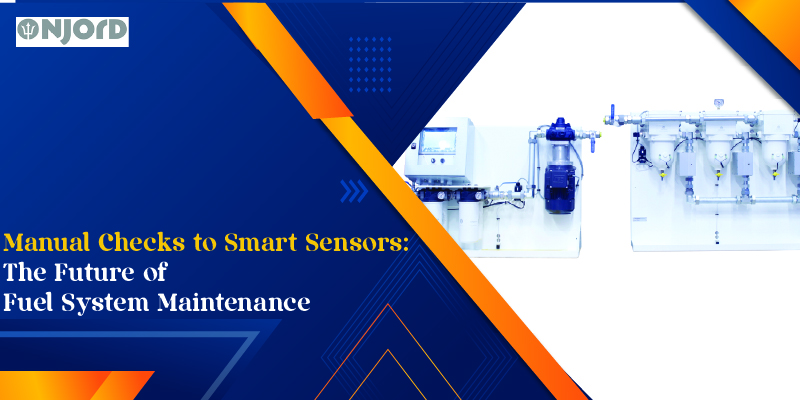
Whether it's powering backup generators in hospitals or keeping ships crossing oceans, fuel is the lifeblood of many industries. But one thing most people overlook is that fuel is only as good as the system that maintains it. Over time, contaminants such as water, microbial growth, and sediment can damage fuel, leading to costly breakdowns and failures. Previously, operators relied on manual checks and routine inspections to maintain clean fuel and ensure the systems ran smoothly. While this old method worked in the past, today's world demands more reliability, efficiency and automation. And that's where the future of fuel maintenance systems comes in. This is moving towards smart sensors, IoT, and real-time monitoring, allowing operators to save time and achieve better results.
In this blog, we will discuss how the industries benefited when they switched from manual checks to smart sensors and how Njord Filtration has played a significant role in changing the game for industries that rely on fuel maintenance. So, keep reading to learn more about it with the expert.
But first, let us break down the journey of fuel maintenance.
The Evolution of Fuel Maintenance
The basic fuel filtration system was introduced in the early 1900s; However, between 1950 and 1960, when diesel engines gained popularity in primary industries, an advanced filtration system was needed that could also separate water and other harmful contaminants from the fuel.
Considering its long destination, let the following breakdown the journey of fuel maintenance:
-
Manual Inspections and Reactive Maintenance
In the early days, as we mentioned, operators would physically inspect tanks and fuel filters, using dipsticks or visual inspection. But here, the maintenance was reactive, meaning the issues were only addressed after they occurred. Although the process was simple, this resulted in unplanned downtime and high repair costs.
-
Scheduled Preventive Maintenance
As fuel systems became more complex, larger industries began to adopt scheduled maintenance, where filters were changed on a set timeline rather than based on condition. This reduced failures, but it was not always efficient as filters were changed too early or contamination was missed between inspections.
-
Modern Fuel Polishing & Testing
Nowadays, almost every big and small organisation uses fuel polishing, which circulates and filters stored fuel to remove water and contaminants. In this case, regular fuel testing helps ensure compliance with and maintain quality standards.
(Also read from our previous blogs: How are Fuel Polishing Systems Important for Oil and Gas High-Risk Operations?)
Traditional Methods vs. Modern Digital Monitoring
So, which is the better choice between a traditional method and a modern digital fuel maintenance system? Let the following explain:
- The Traditional Manual Method
- Reliability
Reliability varied, and fuel quality was inconsistent due to manual visual checks, manual sampling, and scheduled filter changes. - Accuracy
Task completion depended on operator skill and timing. - Costs
Budgeting was higher due to reactive repairs and premature filter changes. - Downtime
The most significant disadvantage was downtime, as failures weren’t always detected early. - Data collection
There was minimal data, no tracking or analysis that could guide the operator for future use.
- Modern Digital Monitoring
- Monitoring
Modern fuel maintenance systems utilise continuous monitoring with IoT sensors to provide a constant view of fuel quality. - Real-time data
Some of the benefits are real-time, highly accurate data on contaminants, water content and stability. - Cost-effective
Predictive maintenance and optimised filter cycles mean you save a lot of money that would otherwise be wasted. - Reduced Downtime
Modern systems minimise downtime by detecting and addressing issues before they lead to failures. - Detailed data
These systems can generate detailed logs, reports and trend analysis to help you make better decisions. - Reliable
And, finally, they offer consistent and reliable fuel quality, especially in critical environments.
How Njord Filtration fits into the future of Fuel Maintenance Systems?
Njord Filtration always looks forward to the evolution of fuel maintenance systems that will be ten times more advanced than it is today. We focus on going beyond alerts with our AI-driven analytics, as well as ensuring that they offer automated corrective actions that not only detect issues but also provide corrective responses, such as automatically activating polishing units. Thanks to which. Industries can now adapt to smart monitoring and receive the best results.
Bottom Line
Fuel is an easy resource, but maintaining it can be hectic. With Njord Filtration, you get advanced fuel maintenance systems that are efficient, reliable, cost-saving, and promise sustainability. Because in 2025, just polishing the systems isn't the only answer; a more innovative, energy management system plays a greater role.
Have queries? Get in touch with us today !
A Look Inside: The Parts of an Offshore Fuel Polishing System
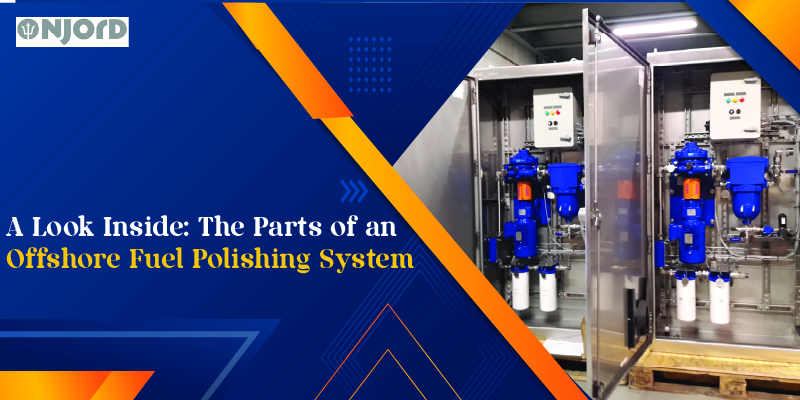
Working in the marine industry teaches you from experience. So, now you know that you need to keep your fuel clean. But you may not know how the cleaning machine itself actually works. In this blog, we will have a look at the main parts that make up an offshore fuel polishing system. When you understand these parts, you can see how the system protects your engines and generators.
Why is it a Good Idea to Know the System's Parts?
When your crew understands what each part of the fuel polishing system does then it becomes easier for them to run the equipment the right way. It also helps them to spot any small issues before they can turn into bigger problems on your vessel or rig. This knowledge can help you keep your machine in a good working order for a long time.
It is also helpful to know about the different diesel fuel filtration system components when you are buying a new unit. When you understand what the parts do, you can better compare different systems on the market. This helps you choose a system that has the right parts for your vessel's specific needs.
What are the Main Components of the System?
This is a look at how does fuel polishing work by using a few key parts together:
- The Fuel Pump: The pump is the heart of this system. It is a strong industrial pump which is made to pull the dirty fuel from the very bottom of your storage tank. It then creates the pressure that pushes the fuel through all the other cleaning stages of the unit.
- The Water Separator: This part of the system is the first step in the cleaning process. It is made to take the very small water droplets in your fuel and combine them into bigger drops. These bigger drops of water can then be easily drained away, which is a big part of marine diesel fuel cleaning.
- The Particulate Filters: After the water has been taken out, the fuel then passes through one or more filters. These filters are made to catch and remove all the solid things in your fuel like bits of rust, dirt, and sludge. The filters often get finer in each stage to remove even very small particles.
- The Control Panel: The control panel is the brain of the operation. This is where you can set the system to run on an automatic schedule, so it works by itself. It also shows you the status of the system and an option that you can use to it will give you an alarm if a filter needs change.
(Also Read: How It Works: Offshore Fuel Tank Cleaning and Diesel Filtration System? )
How Do These Parts Work Together?
These parts all work together in a continuous cycle to keep your fuel clean.
- A Continuous Cleaning Cycle: The whole process works in a loop. The pump pulls the dirtiest fuel from the bottom of the tank, the separator takes out the water, the filters take out the first, and the clean fuel is sent back to the top of the tank. This cleaning cycle runs over and over again to keep the fuel in good shape.
- A Multi-Stage Process: It is important to know that this is not just one simple filter. The process uses multiple stages with different parts for different jobs like one for water and others for solid dirt. This is what makes a professional offshore fuel polishing system so good at preventing fuel contamination at sea.
- Automated Protection: Because the control panel runs the system on a set schedule, your fuel is being protected all the time. Your crew does not have to remember to turn it on and off. It is a constant and automatic process which keeps your fuel ready to use.
Moving Forward
An offshore fuel polishing system is a well-made piece of equipment with several parts which work together as a team. When you understand these parts, you can see why it is such a dependent way to protect your offshore engines from dirty fuel. Explore our website to see different systems for your vessel.
Contact us at Diese E-Mail-Adresse ist vor Spambots geschützt! Zur Anzeige muss JavaScript eingeschaltet sein! if you want to talk to our filtration experts for any questions you have about the offshore fuel polishing system.