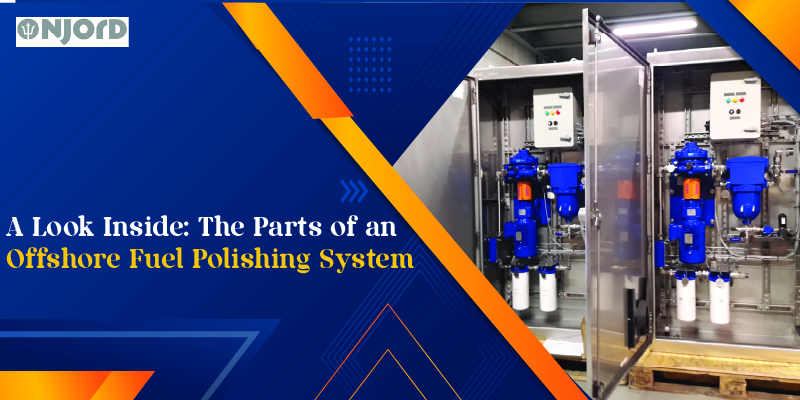
Working in the marine industry teaches you from experience. So, now you know that you need to keep your fuel clean. But you may not know how the cleaning machine itself actually works. In this blog, we will have a look at the main parts that make up an offshore fuel polishing system. When you understand these parts, you can see how the system protects your engines and generators.
Why is it a Good Idea to Know the System's Parts?
When your crew understands what each part of the fuel polishing system does then it becomes easier for them to run the equipment the right way. It also helps them to spot any small issues before they can turn into bigger problems on your vessel or rig. This knowledge can help you keep your machine in a good working order for a long time.
It is also helpful to know about the different diesel fuel filtration system components when you are buying a new unit. When you understand what the parts do, you can better compare different systems on the market. This helps you choose a system that has the right parts for your vessel's specific needs.
What are the Main Components of the System?
This is a look at how does fuel polishing work by using a few key parts together:
- The Fuel Pump: The pump is the heart of this system. It is a strong industrial pump which is made to pull the dirty fuel from the very bottom of your storage tank. It then creates the pressure that pushes the fuel through all the other cleaning stages of the unit.
- The Water Separator: This part of the system is the first step in the cleaning process. It is made to take the very small water droplets in your fuel and combine them into bigger drops. These bigger drops of water can then be easily drained away, which is a big part of marine diesel fuel cleaning.
- The Particulate Filters: After the water has been taken out, the fuel then passes through one or more filters. These filters are made to catch and remove all the solid things in your fuel like bits of rust, dirt, and sludge. The filters often get finer in each stage to remove even very small particles.
- The Control Panel: The control panel is the brain of the operation. This is where you can set the system to run on an automatic schedule, so it works by itself. It also shows you the status of the system and an option that you can use to it will give you an alarm if a filter needs change.
(Also Read: How It Works: Offshore Fuel Tank Cleaning and Diesel Filtration System? )
How Do These Parts Work Together?
These parts all work together in a continuous cycle to keep your fuel clean.
- A Continuous Cleaning Cycle: The whole process works in a loop. The pump pulls the dirtiest fuel from the bottom of the tank, the separator takes out the water, the filters take out the first, and the clean fuel is sent back to the top of the tank. This cleaning cycle runs over and over again to keep the fuel in good shape.
- A Multi-Stage Process: It is important to know that this is not just one simple filter. The process uses multiple stages with different parts for different jobs like one for water and others for solid dirt. This is what makes a professional offshore fuel polishing system so good at preventing fuel contamination at sea.
- Automated Protection: Because the control panel runs the system on a set schedule, your fuel is being protected all the time. Your crew does not have to remember to turn it on and off. It is a constant and automatic process which keeps your fuel ready to use.
Moving Forward
An offshore fuel polishing system is a well-made piece of equipment with several parts which work together as a team. When you understand these parts, you can see why it is such a dependent way to protect your offshore engines from dirty fuel. Explore our website to see different systems for your vessel.
Contact us at Diese E-Mail-Adresse ist vor Spambots geschützt! Zur Anzeige muss JavaScript eingeschaltet sein! if you want to talk to our filtration experts for any questions you have about the offshore fuel polishing system.