Blogs
The Importance of Machine Learning in Fuel Maintenance Systems
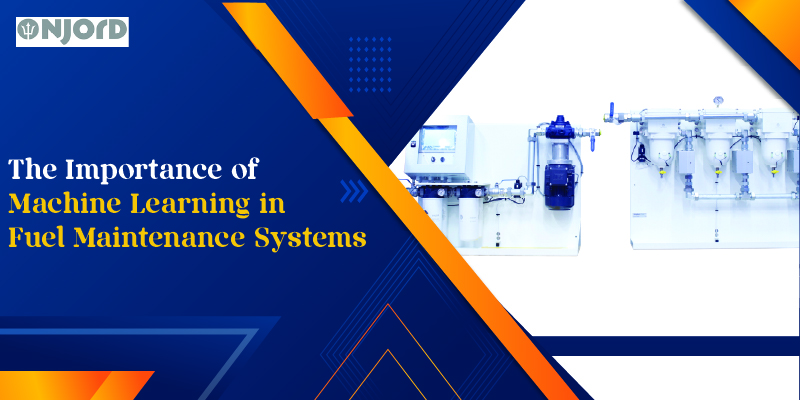
With Njord Filtration's intelligent data analytics and real-time monitoring, businesses can now predict issues before they arise, reduce downtime and extend the life of their fuel infrastructure. In this blog, we will go deeper into how this works, the benefits and how it helps you run your machinery smoothly. Keep reading to know more.
But first...
What Are Fuel Maintenance Systems?
Now, as you may know, fuel maintenance systems are designed to keep the fuel clean, stable and optimal over time. This happens in diesel, biodiesel and other hydrocarbon-based fuels. These systems involve filtration units to remove particulates and water, conditioning modules to stabilize fuel, monitoring sensors to track contamination and quality, and finally, the pump and circulation systems for proper fuel flow.
All these components work together to protect the vital parts of your machines. It focuses on the engines, generators and machinery from the adverse effects of microbial growth, sludge, sediment and oxidation. But the risk? Without proper predictive maintenance, the systems can fail without warning. This is where machine learning in fuel maintenance systems comes in.
The Importance of Predictive Maintenance
Let’s consider this: there are two types of maintenance strategies: reactive and scheduled maintenance. While reactive maintenance fixes problems only when they arise in the machine, preventive maintenance addresses issues before they occur. On the other hand, scheduled maintenance involves performing routine checks regardless of the system's condition.
Now, while Reactive maintenance can lead to costly downtime and asset damage, scheduled maintenance may waste resources on unnecessary service or miss hidden issues. So what now? Well, this is where predictive maintenance comes in.
- Machine learning powered predictive maintenance offers a more innovative solution.
- Using machine learning for predictive maintenance in fuel systems, your machine learning algorithms analyse real-time and historical data, detecting early warnings, component failures, and recommending timely actions.
- With this, you will experience fewer unplanned downtimes, lower costs, and your fuel systems will continuously operate at peak efficiency.
(Also read from our previous blogs: How are Fuel Polishing Systems Important for Oil and Gas High-Risk Operations?)
What are the benefits of Machine Learning in Fuel Maintenance?
The following are the benefits of AI and machine learning in fuel maintenance systems:
- More Uptime: Machine Learning allows you to detect issues before they become a surprise or emergency.
- Less Maintenance: Maintenance becomes easier when needed, with less labour and materials.
- Better Fuel Efficiency. AI machine learning helps you to clean systems. This is equivalent to better combustion and fuel economy.
- Longer Equipment Life with timely maintenance reduces wear and tear on engines, pumps and filters.
- Real-time data and automated reporting for environmental and fuel quality standards
- 24/7 Monitoring and Alerts, even when you miss monitoring fuel systems 24/7. The AI can help you receive alerts when issues arise, even in remote or unattended locations.
So, How Does it work?
Once Machine Learning starts using the algorithm to learn patterns, here is how it will work:
- Data Processing & Pattern Recognition
ML models process data in real-time. This helps them detect abnormal patterns that may indicate system failures or performance degradation. For example, if the ML detects an increase in water content after rain in the engine, it will advise you to address the tank issue before the water damages your machine’s fuel. - Data Collection
Sensors in filtration units, storage tanks and pipelines collect data on temperature, Pressure, Flow rates, Water content, Fuel quality metrics, Filter clogging levels and microbial contamination in the fuel. - Predictive Analytics
Ultimately, with these predictive analytics for fuel system maintenance, the ML system will inform you when to replace the filter, the likelihood of microbial blooms, clogging events, and system efficiency dips.
The best part is that the system will generate maintenance schedules based on the actual wear and tear of each component.
Key Technologies in AI-Powered Maintenance
The following are the key technologies in AI-powered maintenance machines:
- Smart Sensors to collect high-resolution data in real time.
- Cloud Computing to see how Fuel system data is stored, processed and analyzed on the cloud. It makes insights available to you or professional mechanics from anywhere.
- Mobile Dashboards that allow Managers and technicians to receive alerts and performance reports on their phones or tablets. So, no matter where you are, this feature enables you to make informed, reliable remote decisions.
- Cybersecurity Protocols with sensitive data moving through networks ensure robust security for safe and private machine learning operations.
Bottom Line
While it may sound confusing, fuel maintenance systems are appropriately taken care of when your engines adapt to AI integration. Not only does it predict faults and inform you before the condition worsens, but it also allows you to access real-time data and track how your engine has been performing over the past few months.
So, when it comes to taking care of your engine's fuel system, Njord Filtration is the most reliable source of experts.
Need to consult immediately? Contact us here for more information or reach out to us here: +31-13-7640706
Troubleshooting Diesel Fuel Polishing Systems Professionally

Generators are a lifesaver; Whether we talk about hospitals, manufacturing units, data centers, or other industrial estates, emergency backup generators are the backbone of almost every small and big industry across the globe. But, the only problem? These backup power suppliers are entirely dependent on the quality of the fuel, and the generator can experience unnecessary outages if the engine becomes jammed. However, the good part is that we will inform you about the common issues with diesel fuel polishing systems and how to address them professionally.
In this blog, we will explain how your generator can start to malfunction, identify the signs to look for, and guide you on how to repair them. Keep reading to learn more about it.
However, first, let us revisit our understanding…
What is a Diesel Fuel Polishing System?
Now, as you know, a diesel fuel polishing system is a setup to remove water, sludge, microbial growth and solid contaminants from stored diesel fuel. It circulates the fuel through filters, water separators and sometimes coalescers to ensure long-term integrity of the fuel. This system uses fuel suction from the storage tank, pre-filters the fuel to remove large particulates and removes moisture from the water. Once done, the Fine filtration traps the microbes and acceptable debris. After this process is maintained correctly, the polished fuel returns to the tank to power the engine.
Now, what are the signs your diesel fuel polishing system needs repair?
If you maintain the fuel polishing system for diesel generators on time, you may not have to deal with generators that can be really expensive to repair. But if maintenance is out of the book, then you must look out for the following key signs that mean your generator needs immediate repair or expert supervision:
- Alarm or Shutdown Signals
When you invest in advanced systems offered by Njord Filtration, it comes with trigger alarms for high filter pressure or water levels. If you notice frequent shutdowns, it may indicate that your filters are clogged. - Visible Sludge in Tanks
Keep checking for floating particles, black slime microbial growth or sediment buildup and remove them before they start to spread and worsen the situation. - Generator Performance Issues
Look out for significant signs, such as hard starting, misfiring, or black smoke, while the generator is operating. This may be a sign of dirty or water-laden fuel in the power engine. - High Filter Replacement Rate
If you're replacing filters more often than usual, it indicates an excess of contaminants in the system. - Cloudy or Smelly Diesel Fuel
Diesel should be clear with a mild odor, so if you notice dark, cloudy or foul-smelling fuel, it could directly indicate fuel contamination.
Common Diesel Fuel Polishing Systems Issues and How to Fix Them?
Now, if you need to troubleshoot diesel fuel polishing systems in emergency backup generators, then here are the common issues with diesel fuel polishing systems, with expert instructions on how to fix them:
- Water Buildup
Water Buildup is caused by Condensation inside tanks. To fix it, you need to drain the water separator regularly. Then use water-detecting paste for regular checks. Finally, consider upgrading to an automated water sensor if you think it can notify you during higher-risk conditions.
(Also read from our previous blogs: The Importance of a Water Separator in Diesel Fuel Polishing: Expert Advice ) - Clogged Filters
Clogged filters are often caused by excessive contamination or inadequate maintenance. But it's easy to fix if you follow the instructions correctly. So all you need to do is shut off the system and replace the clogged filter. Use high-efficiency filters rated for your fuel type and monitor the pressure gauges to detect clogging early. - Pump Failure
Pump Failure is caused by constant overheating, wear and tear or airlocks. To fix it, check the power supply and motor wiring first. Once done, bleed air from the pump, and you're good to go!
Step-by-step guide to resolving diesel fuel polishing system failures
If your fuel polishing system isn't working to its full potential, follow these steps to troubleshoot:
Step 1: Visual Inspection
First, check for fuel leaks, loose wires or damaged parts. Make sure the unit is powered on and the control panel is functioning correctly.
Step 2: Check Fuel
Next, check the fuel. Look for colour, clarity and smell. You can also use a fuel sampler to collect fuel from the bottom of the tank for laboratory testing.
Step 3: Inspect and Replace Filters
For the next step, turn off the system, remove the filters and replace both pre-filters and fine filters. Record the pressure differential to track future performance. That way, you can take better care of the filters and manage them before they get damaged.
Step 4: Drain Water Traps
Now, empty all water traps manually if your system doesn't have an auto-drain feature. Then wipe out the growth of microorganisms around the fuel tank.
Step 5: Test Pump Operation
Next, test the pump operation by turning on the system and checking the pump pressure and flow rate. If the flow is low or inconsistent, check for faulty components.
Step 6: Clean the Tank
Once the major tasks are done, check if contamination persists. If yes, then you need to do a complete tank cleaning. Reach out to experts for better services.
Step 7: Run a Test Cycle
Finally, after maintenance, just run a complete polishing cycle. And, do not forget to monitor system readings and check that the fuel returns are clean and dry.
Bottom Line
Now that you know the common issues with diesel fuel polishing systems and how to fix them, you can worry a little less about the power backup not offering its best performance. However, if you are looking forward to a polishing system that not only ensures your fuel tanks are clean but also keeps you updated on the current fuel or engine condition, then invest in Njord Filtration's fuel polishing systems.
Have queries? Reach out to our experts. Contact us here.
Fuel Maintenance Systems: Protecting Your Investment and Reducing Downtime
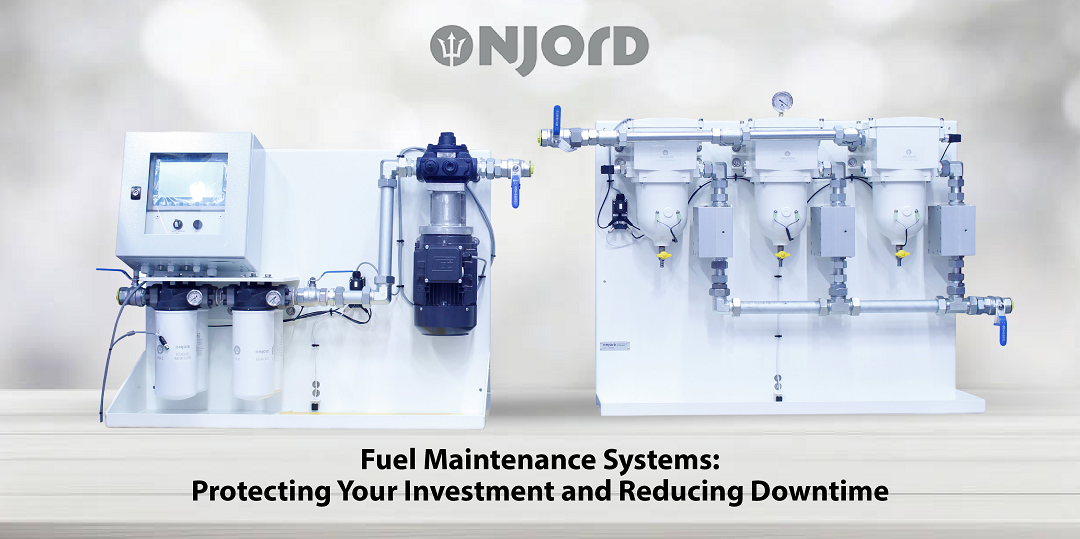
If you use machines that run on diesel fuel—like generators, trucks, or big industrial equipment—you already know maintaining uninterrupted equipment operation is essential in diesel-reliant industries. But did you know that dirty or old fuel can quietly damage your machines, even when they're just sitting still?
Fuel maintenance systems offer a proactive solution to mitigate equipment risks caused by fuel degradation. They're not something most people think about every day, but they're one of the smartest ways to protect your equipment and avoid unexpected breakdowns.
What do fuel maintenance systems do, and how do they help your business? Find out here.
Diesel Fuel degradation Over Time
The obvious thing about diesel fuel is that it doesn't stay fresh for life. When it sits in storage tanks too long, it can start to go bad. Here's what happens:
- Water gets in through air or condensation.
- Bacteria grow in the water inside the tank.
- Dirt and sludge build-up at the bottom of the tank.
- The fuel starts to break down and become less useful.
If you use this contaminated fuel in your machine, it can clog filters, damage engine parts, and even stop the engine from starting. That can impact especially during emergencies when you really need your generator to work.
Definition and Functions of a Fuel Maintenance System
A fuel maintenance system is designed to help clean the fuel and remove pollutants. It is like a cleaning and care system for your fuel tank.
These systems are usually installed on or near your fuel storage tank and work automatically. They clean the fuel regularly—even when you're not using it.
Key things a fuel maintenance system does:
- Filters out dirt and sludge
- Removes water from the tank
- Circulates fuel so it doesn't sit still too long
- Keeps fuel fresh and ready to use
It's like giving your fuel a regular checkup so it stays in good working condition when you need it.
Who Needs a Fuel Maintenance System?
If you store diesel fuel for more than a few weeks, you better rely on the fuel maintenance system.
This is a smart choice for
Hospitals and data centers with backup generators
- Construction companies with large machines
- Farms that use diesel-powered equipment
- Factories or warehouses that use fuel-powered machines
- Anyone who stores diesel for backup or regular use
Even if you only use your generator once or twice a year, keeping the fuel clean matters. A generator won't make any sense during a power outage if it won't start because of dirty fuel.
The Risk of Neglecting Fuel Maintenance
Here's what can happen if you don't take care of your fuel:
- Engines might not start
- Fuel filters get clogged
- Parts wear out faster
- Expensive repairs may be needed
- Critical systems may fail during emergencies
Most of these problems occur without warning, so waiting until something breaks is not a good plan.
Benefits of Using a Fuel Maintenance System
- Clean fuel means fewer breakdowns and less money spent on fixing equipment.
- Whether it's a generator or heavy machinery, clean fuel is more likely to make your equipment run well.
- Downtime means lost time and money. Fuel maintenance systems help prevent surprise problems that shut down your work.
- Engines that run on clean fuel last longer and perform better.
- You don't have to worry about your backup systems failing when you need them most.
Why Fuel Maintenance Make Sense?
Most people do not have time to do fuel maintenance themselves. That's why many companies choose to hire experts who handle everything for them.
With a professional fuel maintenance service you get:
- Regular fuel cleaning and inspections
- Help spotting problems before they get worse
- Fewer breakdowns and repairs
- Priority support when issues happen
It's a smart way to protect your business without adding more to your plate.
The bottom line
If you want to protect your fuel and equipment, Njord Filtration is here to help. We offer fuel maintenance systems and services to relieve your stress. Our team will keep your fuel clean and your machines ready when you need them.
Contact us to learn more about our fuel maintenance services and how we can help protect your investment.The Role of Data Analytics in Optimizing Fuel Consumption in Industries

If you are an old member of the industrialisation club, you must already know how fuel consumption remains one of the most significant operational costs when it comes to powering backup generators, transport fleets, heavy machinery, etc. However, over the years, after investing so much, these industries started looking for an efficient way of saving both money and fuel, and that is when fuel polishing data centers came into the picture. These centers offered performance tracking and monitoring that allowed many big and small industries to optimise the data for better and enhanced performance.
However, thanks to modernity, you do not need to look out for such centres specifically; instead, get a data analytics tool that helps you study fuel performance without the need for an expert.
In today’s blog, we will tell you how exactly that will happen, what the benefits of using such tools are, and everything else you must know. Keep reading to learn more about it with Njord Filtration.
But first, let us understand…
What is Data Analytics?
In simple terms, data analytics is the process of collecting, organizing, and analyzing large sets of data to uncover valuable patterns, insights, etc. Different types of data analytics are used in other industries. Some of the most popular ones are:
- Descriptive analytics is used to determine what has happened. For example, how much fuel was consumed over time?
- Diagnostic analytics is used to explain why something happened, for example, figuring out why fuel consumption spiked.
- Predictive analytics is used to forecast what might happen, for example, when filters will need replacement.
- Prescriptive analytics recommends the action you must take. For example, you may need to polish the fuel to avoid downtime in heavy machinery.
And, what is fuel polishing?
As our old readers, you may already know what fuel polishing is, but if you are here for the first time, let us explain it to you in the most simple way: Clean fuel ensures smooth engine performance, reduces maintenance costs, and minimizes the risk of breakdowns, and this is achieved with the help of fuel polishing.
Fuel polishing is the cleaning process that removes water, sludge, microbial contamination, and other impurities from stored fuel. This plays a vital role in Data centers, Marine vessels, Construction machinery, Backup power generators, etc.
(Also read from our previous blogs: How to Use Fuel Conditioner to Prevent Microbial Growth in Tanks)
The Role of Data Analytics in Fuel Polishing Data Centers
The role of big data in enhancing fuel efficiency for industrial processes has helped many small and prominent businessmen save fuel. Here’s how data analytics supports fuel polishing in data centers:
- Monitoring Fuel Quality in Real Time
This tool helps you track fuel contamination levels, such as microbial growth, water content, and particulate matter. It also detects early signs of fuel degradation and helps you schedule polishing cycles proactively. - Predicting Maintenance Needs
It uses historical data to forecast when filters, separators, or polishing units will need servicing, allowing you to prevent unexpected equipment failures. - Improving Generator Readiness
Data analytics ensures backup fuel is always clean and ready to use, and reduces the risk of generator failure during power outages. - Automating Alerts and Reports
Finally, these data analytics will send real-time alerts for any drop in fuel quality, generating compliance reports for audit and safety reviews.
Benefits of Using Data Analytics in Fuel Polishing Systems
The benefits are the following:
- Enhanced fuel efficiency
- Extended lifespan
- Better resource
- Eco-friendly
- Minimised fuel loss
Bottom Line
These fuel polishing data centers have allowed many big industries to save fuel, especially during tough times. The right tool will enable you to read real-time data and fix issues before they become severe and costly. With the expert assistance of Njord Filtration, your industry can save money and improve fuel efficiency.
Need help? Get in touch with us today!
Why Fuel Polishing Essential for Mining & Construction Industries?
If you work in construction or mining, you know how critical your machines are. Big equipment like trucks, diggers, and generators do the heavy lifting—and they all run on diesel fuel. But here's the problem—-diesel fuel can get dirty, and dirty fuel causes big problems.
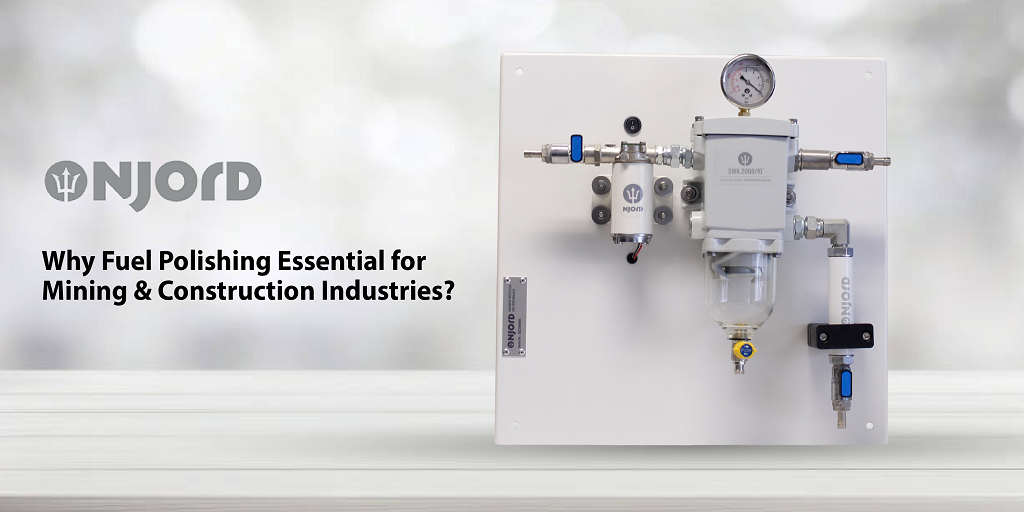
An efficient fuel polishing system is essential to ensure operational reliability and reduce costly downtime. It also keeps your fuel clean so your machines work better and don't break down. But why does that matter, and how does it help your business? Find out here.
The Consequences of Fuel Contamination
Diesel fuel doesn't stay good forever. When it sits in tanks for a while—especially outside—it can collect:
- Water
- Dirt
- Sludge
- Bacteria and fungi
These things can clog your filters, damage your engines, and even stop your machines from working. On a busy construction site or in a mine, that's the last thing you need. One broken machine can slow down the whole project. And that costs time and huge money.
The Function of a Fuel Polishing System
A fuel polishing system is a cleaning process that filters your diesel fuel. It takes the fuel from your tank, runs it through filters, removes all the bad stuff, and puts the clean fuel back.
A fuel polishing system is essential if your machine needs fresh fuel for peak operation.
The Importance of Fuel Polishing System on Construction Sites
On construction sites, fuel is stored in tanks and used to run all kinds of big equipment. Sometimes, machines sit unused for days or weeks, giving fuel time to go bad. A diesel fuel polishing system for construction industry work keeps fuel clean even when it's stored for a long time. That means your machines start-up without trouble, run better, and need fewer repairs.
It also helps reduce smoke and pollution, which is better for the environment and your team.
The Role of Fuel Polishing in Mining Operations
Mining is a bit tougher. Mines often run 24/7 and use a lot of diesel. Fuel tanks are bigger, the weather can be extreme, and the job sites are usually far from towns or help. That's why fuel system management and polishing for mining operations are a must. When your fuel is clean, your machines can keep running safely—even in tough conditions.
If you're deep in a mine or far from a service center, you don't want to deal with fuel problems. A polishing system keeps things running smoothly.
Fuel Polishing keeps everyone safer
Dirty fuel doesn't just impact machines—it can also be dangerous. Engines that fail suddenly can cause accidents. Generators that stop working during a power outage can put workers at risk.
Clean fuel means your machines work the way they should, which means fewer surprises and safer job sites. A fuel polishing system helps ensure your team can do their work without worrying about sudden equipment problems.
Recommended Frequency for Fuel Polishing
How often you polish your fuel depends on a few things:
- How long the fuel sits in the tank
- The weather (hot and wet places cause faster fuel problems)
- How clean your storage tanks are
- How important that fuel is for your daily work
Fuel should be polished at least every 3 to 6 months. If you're in a remote location or storing fuel for backup power, you might need to do it more often. The team at Njord Filtration can help you figure out the right schedule for your site.
It Saves Money (And Headaches)
Fuel polishing isn't just about keeping things clean. It can save you a lot of money and stress. Here's how:
- Fewer engine problems
- Less time fixing broken machines
- Longer life for your equipment
- Better fuel efficiency
- Less wasted fuel
Clean fuel means fewer breakdowns and more time working. That means productive workers, faster jobs, and lower costs.
The bottom line
If you want clean fuel and smooth operations, you need a good system and a team that knows what they're doing. That's where you can rely on Njord Filtration. The fuel polishing systems are tough, reliable, and easy to use. We are here to help you keep your fuel clean, your machines running, and your business moving forward.
Speak with a Njord Filtration expert today to customize a fuel polishing solution tailored to your site's needs. Let's keep your operation running cleaner, safer, and longer.”