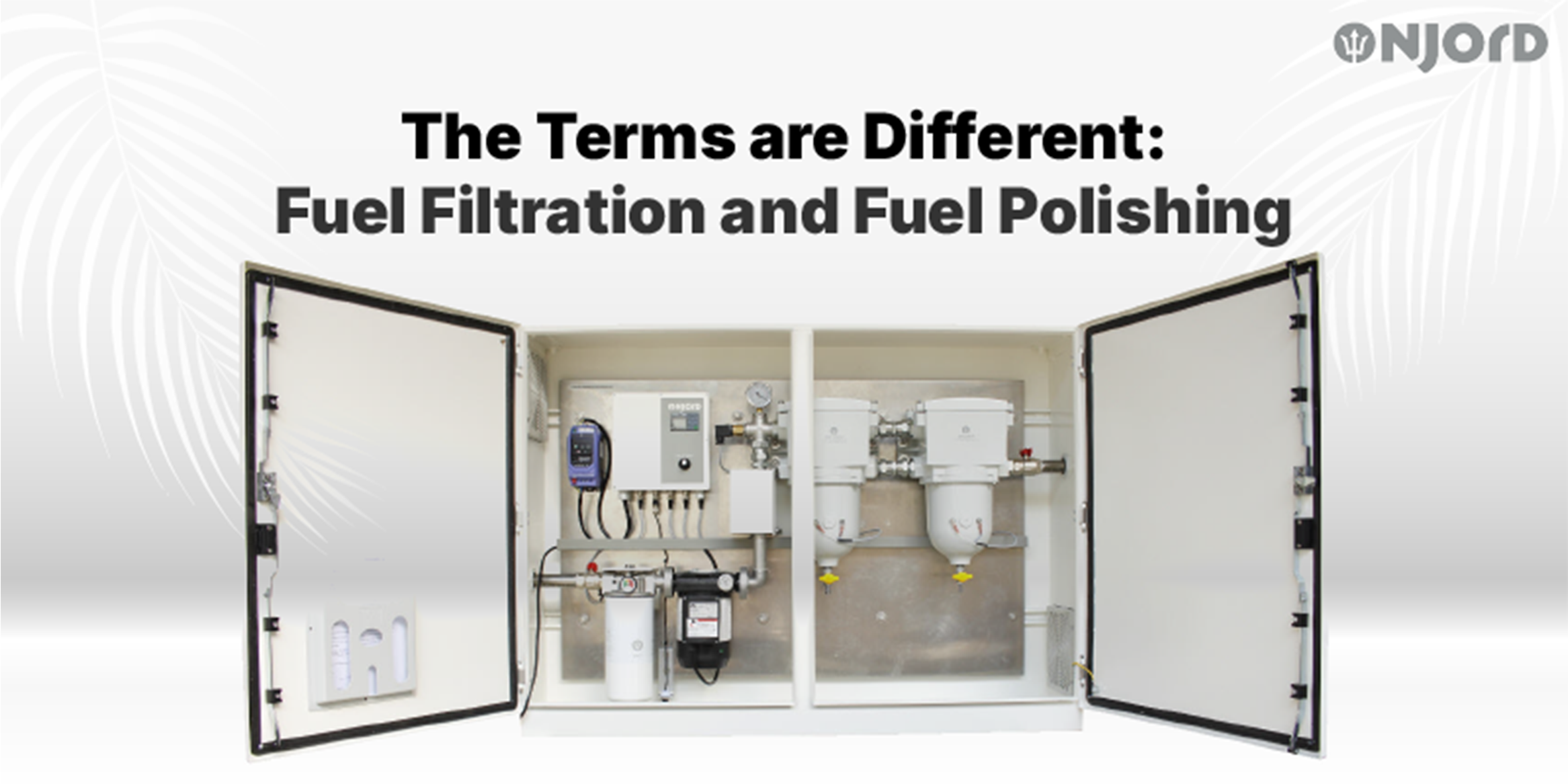
Maintaining clean fuel to run any engine smoothly is essential. The issue is with the fuel because, as the engine pumps it and delivers it to other parts to run the entire system smoothly, diesel filtration plays a very important role here. But what to choose, fuel filtration or fuel polishing? The terms might seem similar, but their works are different. The requirements for fuel filtration and polishing depend on the machine's conditions. This blog will explain the terms and their differences so that, by seeing them, you will understand their necessity. In the meantime, avail the best diesel filtration from Njord Filtration and let your journey begin.
What are the differences between fuel filtration and polishing?
The meanings of these two terms differ, and so do their purposes. The term fuel filtration is narrower than fuel polishing, and their application fields differ. But the motto of both the filtration and polishing is the same, that is, to keep the fuel clean and keep it ready to use.
Fuel Filtration:
Fuel filtration is the basic fuel-cleaning process that removes large particles and basic contaminants.
- It works while the engine is operational.
- This process removes the solid particle and partial water molecules.
- This is a standard diesel filtration process.
- It is essential to the daily process to keep the engine running safely and smoothly.
- This process prevents any damage to the injectors by removing the unwanted contaminants.
Fuel Polishing:
The fuel polishing is an advanced fuel-cleaning process that removes stubborn particles such as dust, rust, sludge, debris, wax, sediment, and water, leaving the cleanest fuel.
- This process keeps stored diesel fuel ready for use in emergencies.
- In full polishing, even the finest particles get removed.
- This process includes several filtration steps and specialized chemical separation techniques to remove water particles.
- Fuel polishing is for stored fuel in tanks, backup generators, and bulk storage.
At Njord Filtration, you can get fuel sampling and analysis, whether or not you need diesel filtration. See it and keep the engine working non-stop.
What are the types of diesel filters available?
Refineries derive diesel from millions of years of buried crude oil, which, as a result, contains naturally occurring contaminants. Because the particles differ, different types of diesel filtration are required to remove them.
- At the primary fuel filtration level, it removes large particles such as debris, dirt, and rust from the fuel before it reaches the engine.
- The secondary fuel filter level ensures the capture of the smaller particles that have bypassed the first filtration. This stage is also called the fine filtration.
- The third type is called fuel-water separation, in which the water gets separated from the fuel; otherwise, it can promote the growth of fungi or microbes.
- The next one is a cartridge (often called a replaceable filter), used mostly in diesel engines and featuring replaceable elements.
- Inline filters are installed directly in the fuel line and are primarily for smaller systems for basic diesel filtration.
- Finally, magnetic filters remove metal particles from the fuel and protect engine components that are prone to damage.
With Njord Flitration, we have separate levels of diesel filtration and polishing to keep the engine safe and protected from any damage.
How does the water get separated during diesel filtration?
Why are the water particles important to remove? The presence of water particles can be harmful, especially to stored diesel. Water particles can support the growth of fungi inside the fuel tank, and eventually, the spreading corrosion will damage the fuel. The density of water differs from that of fuel. The water is denser than the fuel, and as it passes through the filter separator, the water settles to the bottom while the fuel rises.
Inside the filter, the filter media captures the tiny droplets, which combine with the larger ones, and eventually the heavy droplets settle to the bottom. In the settling chamber, the filter has a separate bowl to capture water droplets, and once it is full, the water is removed either manually or via an advanced system. Some diesel filters use hydrophobic material that prevents water from moving forward with the fuel and keeps it behind.
What are the impacts of diesel filtration on engines?
The impact of diesel filtration on the engines is quite direct. As the engine delivers fuel to other components, fuel quality is critical to keeping those components safe. Clean, filtered fuel ensures the engines can run. It improves efficiency and promotes consistent output. The chances of engine breakdown reduce. As the filtration process removes contaminants, the strain on injectors and fuel pumps also reduces.
Along with this, the risk of clogged filters decreases, and the maintenance frequency stays on track. Altogether, it prevents the excess repair and maintenance costs. Finally, the fuel filtration extends engine life and ensures they run efficiently and smoothly, without any hassle.
Clean fuel for powerful performance by Njord Filtration
Reduced wear, ensures safety and improves the engine capacity and fuel consumption efficiency. Njord Filtration has taken a step to provide all the above with quality diesel filtration, so you never have to wait.
Clean fuel is the key to consistent power backup for engines. Contact us and feel the difference.
FAQs
- Is fuel filtration and polishing the same?
No, fuel filtration is the basic process of cleaning the fuel, while fuel polishing is the advanced process for a deeper cleanup. - Which one should I choose for regular maintenance?
Fuel filtration is ideal for regular maintenance of both engines and their components, ensuring daily efficiency. - Does fuel filtration remove water?
Yes, fuel filtration removes water particles, but fuel polishing ensures deeper, permanent removal.